
Renee Joyce
LMFTColorado · 13 yrs exp
Licensed Marriage and Family Therapist - Relationships and Trauma
Stress, Anxiety · LGBT · Relationship · Trauma and abuse · +10 more
Read profileTherapist listings are provided by BetterHelp. We will earn a commission at no additional cost to you if you use our links to purchase.
On this page for the listed location Colorado, you can compare profiles of professionals who list guilt and shame among their focus areas. Browse profiles to review credentials, approaches, languages and practice notes and to decide who to contact.
Colorado · 13 yrs exp
Licensed Marriage and Family Therapist - Relationships and Trauma
Stress, Anxiety · LGBT · Relationship · Trauma and abuse · +10 more
Read profile
Colorado · 31 yrs exp
Licensed counselor - Guilt and shame, mood concerns
Stress, Anxiety · Self esteem · Depression · Coping with life changes · +9 more
Read profile
Colorado · 7 yrs exp
Licensed Professional Counselor - Stress and Relationship Concerns
Stress, Anxiety · Trauma and abuse · Grief · Self esteem · +3 more
Read profile
Colorado · 5 yrs exp
LMFT - Relationships and life transitions
Relationship · Family · Grief · Self esteem · +1 more
Read profile
Colorado · 7 yrs exp
Licensed Professional Counselor - Stress and Anxiety
Stress, Anxiety · Self esteem · Depression · Coping with life changes
Read profile
Colorado · 12 yrs exp
LCSW focused on anxiety and trauma
Stress, Anxiety · Trauma and abuse · Self esteem · Bipolar · +1 more
Read profile
Colorado · 30 yrs exp
LCSW - grief and mood concerns
Stress, Anxiety · Trauma and abuse · Grief · Self esteem · +1 more
Read profile
Colorado · 3 yrs exp
LCSW - Anxiety and trauma support
Stress, Anxiety · Trauma and abuse · Self esteem · Depression · +1 more
Read profile
Colorado · 16 yrs exp
Licensed Professional Counselor - Anxiety and Trauma
Stress, Anxiety · LGBT · Trauma and abuse · Depression · +1 more
Read profile
Colorado · 4 yrs exp
Licensed Clinical Social Worker - Relationships and Anxiety
Stress, Anxiety · Relationship · Family · Self esteem · +1 more
Read profile
Colorado · 16 yrs exp
Licensed counselor - Guilt and shame, anxiety
Stress, Anxiety · Trauma and abuse · Grief · Parenting · +1 more
Read profile
Colorado · 3 yrs exp
LPC in Colorado - depression and trauma
LGBT · Trauma and abuse · Grief · Self esteem · +1 more
Read profile
Colorado · 27 yrs exp
Licensed Clinical Social Worker - Stress and Addictions
Stress, Anxiety · Addictions · Trauma and abuse · Depression · +1 more
Read profile
Colorado · 4 yrs exp
LPC in Colorado - Anxiety and Addictions
Stress, Anxiety · Addictions · Trauma and abuse · Self esteem · +1 more
Read profile
Colorado · 4 yrs exp
LCSW clinician - Anxiety and Addictions
Stress, Anxiety · Addictions · Self esteem · Depression · +1 more
Read profile
Colorado · 10 yrs exp
LCSW helping adults with trauma and life change
Stress, Anxiety · Trauma and abuse · Self esteem · Depression · +1 more
Read profile
Colorado · 6 yrs exp
LPC counselor - Trauma and grief
Trauma and abuse · Grief · Intimacy-related issues · Self esteem · +1 more
Read profile
Colorado · 14 yrs exp
Dr. Kylie Rogalla - LPC, trauma and relationships
Stress, Anxiety · Addictions · Relationship · Trauma and abuse · +8 more
Read profile
Colorado · 7 yrs exp
Licensed Clinical Social Worker - Guilt and shame focus
Stress, Anxiety · Self esteem · Career · Coping with life changes · +11 more
Read profile
Colorado · 24 yrs exp
LCSW - Trauma and mood concerns
Stress, Anxiety · Addictions · LGBT · Trauma and abuse · +7 more
Read profile
Colorado · 25 yrs exp
Licensed counselor - Guilt and trauma focus
Stress, Anxiety · Trauma and abuse · Eating · Parenting · +15 more
Read profile
Colorado · 30 yrs exp
LPC and LIMHP - Anxiety and Guilt work
Stress, Anxiety · Grief · Self esteem · Depression · +5 more
Read profile
Colorado · 29 yrs exp
LCSW - Stress and Trauma
Stress, Anxiety · Family · Trauma and abuse · Grief · +15 more
Read profile
Colorado · 25 yrs exp
Licensed Professional Counselor - Stress and Trauma
Stress, Anxiety · Trauma and abuse · Grief · Self esteem · +5 more
Read profile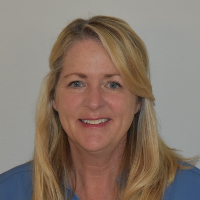
Colorado · 15 yrs exp
Licensed counselor - Guilt and shame, Stress
Stress, Anxiety · Addictions · Family · Trauma and abuse · +10 more
Read profile
Colorado · 5 yrs exp
Licensed Professional Counselor - Trauma and Relationships
Trauma and abuse · Grief · Self esteem · Compassion fatigue · +9 more
Read profile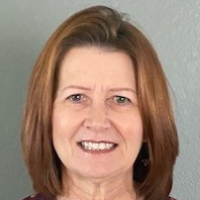
Colorado · 14 yrs exp
Licensed Clinical Social Worker - Trauma and mood concerns
Trauma and abuse · Anger · Bipolar · Depression · +11 more
Read profile
Colorado · 33 yrs exp
Dr. Dorothy Jimenez - LCSW, stress and trauma
Stress, Anxiety · Trauma and abuse · Grief · Parenting · +1 more
Read profile
Colorado · 46 yrs exp
Clinical Social Worker - Aging and Relationships
Stress, Anxiety · Trauma and abuse · Grief · Depression · +11 more
Read profile
Colorado · 9 yrs exp
LCSW - Grief and life adjustments
Stress, Anxiety · Relationship · Grief · Career · +8 more
Read profileGuilt and shame often feel similar but point to different questions you may be carrying. Guilt usually centers on something you did or did not do - a behavior that feels wrong and prompts thoughts like I did the wrong thing. Shame tends to target who you are, and can leave you feeling fundamentally flawed or unworthy. You may experience both at once, and your story might include family messages, moral conflicts, losses, betrayals, religious teachings, or trauma. When you look at profiles, notice how clinicians describe their focus areas and the types of experiences they say they work with, so you can find profiles that resonate with the themes you are carrying.
Talking something through can help you see it more clearly by separating facts from long-held beliefs about yourself. That process is about exploration, not judgement. If you are having thoughts of harming yourself, reach out to local emergency services right away or use a crisis line such as 988 in the United States, Samaritans in the United Kingdom, or Lifeline in Australia. Crisis services can connect you with immediate help and safety planning while you consider next steps.
Profiles on this page are grouped under the listed location Colorado, but that grouping does not guarantee a physical office or lawful permission to practice where you live. Check each individual profile and confirm that a clinician has permission to work with people in your state or country before you begin. In the United States many clinicians hold professional licenses such as LCSW, LPC, LMFT or similar credentials. In the United Kingdom and Australia clinicians may describe registration with or membership in professional bodies. You will also see academic degrees such as PhD, PsyD, MD, MA or MSW. A degree identifies training at the academic level; it does not by itself indicate current regulatory permission to practice or a specific scope of work.
When you read a profile, look for language that clarifies whether the person practices under a US license in the state where you live, or whether they are a registered or member professional in the UK or Australia. Profiles that mention a listed location may not reflect a physical office address or an active license. It is your responsibility to ask directly about the clinician’s permission to provide care across state or national lines and to confirm any licensing or registration details that matter to you.
Profiles often list approaches and focus areas, but those listings are not proof of specific training or outcomes. You can use profiles to prepare targeted questions that help you assess fit. Ask whether the clinician has worked with people struggling with shame tied to family systems, faith traditions, identity, or trauma, and how they typically structure early conversations. Ask what they mean when they list an approach - for example, you might ask therapists who list EMDR among their approaches to explain how they integrate that work into sessions and what you could expect to discuss first. You can also ask how they help people who feel stuck between guilt and shame, or how they support someone who wants to rebuild relationships after a painful event.
It is reasonable to ask about practical matters in a brief introductory exchange. You might ask whether the clinician focuses on short-term goals, longer-term exploration, or a combination, and what role homework or reflective practice usually plays. Ask what measures they use to check in on progress and how they handle moments when a session brings up intense emotions. These kinds of questions can help you find a clinician whose experience and way of working match what you need, while remembering that profiles are starting points rather than guarantees.
If you are considering remote sessions, there are specific topics to cover before you begin. Confirm that the clinician is permitted to provide care to people in your state or country and that they understand any regulatory constraints that apply. Talk about how to handle emergencies during remote work - who you would contact locally if you needed urgent help and how the clinician manages crisis planning. Discuss the technical platform you will use and what to do if a connection drops during an intense moment, including backup contact details and expected response time.
Also explore preferences for communication between sessions, boundaries around messaging, and whether the clinician works with a structured check-in or prefers open-ended discussion. If you require an interpreter, use of a particular language, or accommodations for hearing or visual needs, raise those needs early so you can see which profiles indicate language offerings or relevant experience. Finally, clarify whether the clinician has experience discussing shame that intersects with cultural or faith backgrounds similar to yours, if that is important to you. These practical conversations help reduce uncertainty and allow you to make an informed decision about next steps.
Comparing profiles is most useful when you decide which attributes matter most to you and then look for those markers across several profiles. Think about the kinds of situations that amplify your guilt or shame - interactions with family, moral conflicts, public exposure, or past abuse - and look for language in profiles that reflects experience with those themes. If you speak a language other than English, check for clinicians who list that language and consider whether language alone or lived cultural understanding matters more for you. Profiles often include notes on therapy style; read those descriptions to see whether they emphasize compassionate inquiry, skills-based work, narrative exploration, or body-focused awareness, remembering that a listed style is an invitation to ask more in a first contact.
Compare credentials carefully. Note academic degrees such as PhD, PsyD, MD, MA or MSW and treat them as indicators of training history rather than proof of current permission to practice. Separately, look for statements about professional licensure in the US or registration and membership in UK or Australian bodies. If it matters to you, ask the clinician to explain what their degree and their regulatory status mean for their scope of practice. Finally, pay attention to tone. Profiles that feel straightforward about who the clinician works with, their approach, and their communication style can make it easier for you to picture what working together might be like. Use those impressions to narrow your choices and then contact profiles that feel like a reasonable match to learn more and confirm permission to work together where you live.
Addictions
2501 therapists
ADHD
1781 therapists
Anger
1629 therapists
Autism
1155 therapists
Chronic Illness
2025 therapists
Control Issues
4089 therapists
Depression
6689 therapists
Grief
4165 therapists
Intimacy Issues
1910 therapists
Isolation / Loneliness
6411 therapists
Midlife Crisis
3370 therapists
Mood Disorders
4198 therapists
Panic Disorder and Panic Attacks
4014 therapists
Post-Traumatic Stress
5114 therapists
Self Esteem
6281 therapists
Sleeping Disorders
878 therapists
Social Anxiety and Phobia
5556 therapists
Stress & Anxiety
7904 therapists
Trauma and Abuse
5374 therapists
Abandonment
4095 therapists
Aging and Geriatric Issues
1885 therapists
Attachment Issues
4633 therapists
Blended Family Issues
2354 therapists
Body Image
3026 therapists
Career
2289 therapists
Caregiver Issues and Stress
4133 therapists
Codependency
3036 therapists
Commitment Issues
2455 therapists
Compassion Fatigue
2086 therapists
Coping with Life Changes
5333 therapists
Divorce
4412 therapists
Family
3632 therapists
Family of Origin Issues
2492 therapists
Fatherhood Issues
1491 therapists
Forgiveness
6169 therapists
Infidelity
2286 therapists
Jealousy
2193 therapists
Life Purpose
6724 therapists
Money and Financial Issues
2139 therapists
Parenting
2553 therapists
Relationship
5481 therapists
Self-Love
6809 therapists
Workplace Issues
4382 therapists