
Marsha Oxamendi
LCSWFlorida · 14 yrs exp
LCSW - Stress and relationship concerns
Stress, Anxiety · Grief · Anger · Self esteem · +12 more
Read profileTherapist listings are provided by BetterHelp. We will earn a commission at no additional cost to you if you use our links to purchase.
This collection highlights therapists who list Abandonment as a focus alongside guilt and shame. You can compare profiles by listed location, approaches, languages and credentials, then browse profiles to learn more.
Florida · 14 yrs exp
LCSW - Stress and relationship concerns
Stress, Anxiety · Grief · Anger · Self esteem · +12 more
Read profile
Illinois · 19 yrs exp
Dr. Steven Hurley - Psychologist, Anxiety and Trauma
Stress, Anxiety · LGBT · Relationship · Trauma and abuse · +9 more
Read profile
Minnesota · 14 yrs exp
LMFT - Relationships and trauma related concerns
Stress, Anxiety · Relationship · Family · Trauma and abuse · +8 more
Read profile
Texas · 22 yrs exp
Licensed Professional Counselor - Guilt and life changes
Stress, Anxiety · Grief · Career · Depression · +9 more
Read profile
Florida · 12 yrs exp
LMHC - Guilt and shame, relationships
Stress, Anxiety · Relationship · Intimacy-related issues · Depression · +8 more
Read profile
Oregon · 32 yrs exp
Licensed Marriage and Family Therapist - Anxiety and Relationships
Stress, Anxiety · Relationship · Trauma and abuse · Grief · +9 more
Read profile
Oklahoma · 30 yrs exp
Licensed Professional Counselor - Guilt and shame, Relationships
Stress, Anxiety · Grief · Intimacy-related issues · Depression · +8 more
Read profile
North Carolina · 13 yrs exp
Licensed Clinical Social Worker - Guilt and shame, Relationships
Stress, Anxiety · Relationship · Family · Self esteem · +13 more
Read profile
Florida · 10 yrs exp
LCSW - Anxiety and Addictions
Stress, Anxiety · Addictions · Family · Grief · +8 more
Read profile
Michigan · 35 yrs exp
LMSW counselor - Stress and relationships
Stress, Anxiety · Addictions · Trauma and abuse · Self esteem · +3 more
Read profile
North Carolina · 20 yrs exp
Licensed Professional Counselor - Stress and Relationships
Stress, Anxiety · Relationship · Family · Self esteem · +9 more
Read profile
Louisiana · 14 yrs exp
LCSW working with stress and trauma
Stress, Anxiety · Anger · Self esteem · Depression · +9 more
Read profile
Florida · 20 yrs exp
Florida LMHC - Relationships and Anxiety
Stress, Anxiety · Relationship · Family · Self esteem · +9 more
Read profile
Tennessee · 35 yrs exp
Licensed Clinical Social Worker - Guilt and shame
Stress, Anxiety · Grief · Self esteem · Depression · +8 more
Read profile
Virginia · 14 yrs exp
Licensed Professional Counselor - Trauma and mood concerns
Trauma and abuse · Grief · Coping with life changes · Compassion fatigue · +12 more
Read profile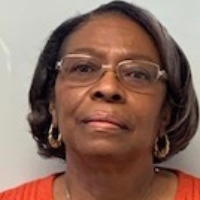
Alabama · 20 yrs exp
Licensed Professional Counselor - Anxiety and Grief
Stress, Anxiety · Relationship · Grief · Depression · +9 more
Read profile
South Carolina · 20 yrs exp
Licensed social worker - Stress and eating issues
Stress, Anxiety · Relationship · Eating · Self esteem · +10 more
Read profile
Michigan · 24 yrs exp
Licensed clinical social worker - Guilt and shame
Stress, Anxiety · Addictions · Relationship · Family · +1 more
Read profile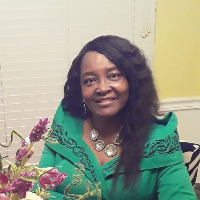
Florida · 20 yrs exp
LMHC - Anxiety and Relationships
Stress, Anxiety · Addictions · Relationship · Self esteem · +1 more
Read profile
Oregon · 17 yrs exp
LMFT - Stress and trauma focused
Stress, Anxiety · Trauma and abuse · Grief · Intimacy-related issues · +1 more
Read profile
Texas · 5 yrs exp
LCSW - Stress and relationship concerns
Stress, Anxiety · Relationship · Family · Trauma and abuse · +9 more
Read profile
Florida · 11 yrs exp
Florida LMHC - Guilt and relationship concerns
Stress, Anxiety · Relationship · Parenting · Self esteem · +11 more
Read profile
North Carolina · 30 yrs exp
LCMHC - Stress and Trauma
Stress, Anxiety · Addictions · LGBT · Trauma and abuse · +1 more
Read profile
Texas · 26 yrs exp
Licensed counselor - Guilt and shame, relationships
Stress, Anxiety · Relationship · Trauma and abuse · Grief · +11 more
Read profile
Colorado · 13 yrs exp
Licensed Marriage and Family Therapist - Relationships and Trauma
Stress, Anxiety · LGBT · Relationship · Trauma and abuse · +10 more
Read profile
Florida · 20 yrs exp
Florida LMHC - Anxiety and Grief
Stress, Anxiety · Relationship · Grief · Self esteem · +1 more
Read profile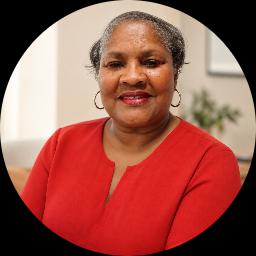
Oklahoma · 27 yrs exp
LPC in Oklahoma - Guilt and shame, trauma
Stress, Anxiety · Addictions · Parenting · Anger · +11 more
Read profile
North Carolina · 20 yrs exp
LCMHC LPC - Anxiety and Addictions
Stress, Anxiety · Addictions · LGBT · Relationship · +1 more
Read profile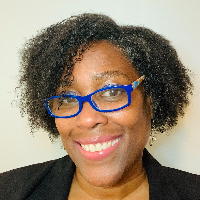
Georgia · 3 yrs exp
Licensed Professional Counselor - Stress and Anxiety
Stress, Anxiety · Self esteem · Career · Depression · +1 more
Read profile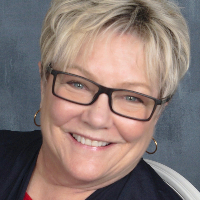
Florida · 40 yrs exp
Florida LCSW - Addictions and Relationships
Addictions · Relationship · Grief · Depression · +13 more
Read profileIf you are carrying feelings tied to abandonment, you are not alone in wrestling with thoughts about what happened, what you did or did not do, or who you believe yourself to be. Abandonment can come from many kinds of experiences - childhood separations, sudden losses, relationship endings, or situations where trust was broken. Guilt and shame are related but different feelings. Guilt usually points to a sense that you did something wrong or failed to act in a specific situation. Shame, by contrast, tends to be about who you are - a global sense of being flawed or unworthy. Knowing the distinction can help you notice whether your thoughts focus on actions you wish you had changed or on a more pervasive negative view of yourself.
Talking through these feelings with a professional can give you a clearer sense of how they show up in your life, how they affect your relationships, and what patterns you repeat. In conversations you can map the memories, triggers and physical reactions that accompany guilt or shame, and explore practical ways to reduce the intensity of those moments. If shame or abandonment is accompanied by thoughts of harming yourself or others, contact local emergency services or crisis lines immediately. In the United States call 988, in the United Kingdom call Samaritans at 116 123, and in Australia call Lifeline at 13 11 14, or use your country’s emergency number.
People often search for help when their history of abandonment seems linked to persistent guilt or shame. It is important to avoid assuming one simple cause - abandonment, family dynamics, faith conflicts, relationship choices or traumatic events can all play a role, sometimes in combination. In the directory, therapists list Abandonment and guilt and shame as focus areas, but that listing does not establish a particular causal relationship for you. Use the profiles to learn how clinicians describe their interest or experience with these themes and to find language that resonates with your experience.
When you read a profile, notice how a therapist frames the problem. Do they describe working with attachment injuries, relational losses, or identity-related shame? Do they mention helping with the aftermath of difficult family or faith experiences? These descriptions can help you shape questions you want to bring to an initial conversation. The goal in these early steps is to find a clinician whose way of talking about abandonment and shame aligns with how you experience them, not to assume that any one label or approach will fit everyone.
Before you reach out to someone whose profile feels relevant, think about concrete questions that will help you compare approaches and experience. You might ask, Do you have experience working with adults who feel persistent shame linked to relationship losses? How do you typically describe the work you do with abandonment-related issues? Which therapeutic approaches do you draw on - for example, therapists who list trauma-focused methods, psychodynamic work, cognitive approaches, or somatic strategies among their approaches - and how might those options be used in sessions? Ask how they understand the relationship between guilt and shame in their practice.
It is also useful to understand how qualifications are presented. Academic degrees such as PhD, PsyD, MD, MA and MSW are different from a license or registration. A degree alone does not establish current permission to practice. In the United States, clinicians commonly mention state licensure; in the United Kingdom and Australia, profiles may refer to professional registration or membership in relevant associations. Use the information on a profile to ask directly about current authorization to practice in a listed location and about any areas of concentrated experience. Remember that a profile listing a topic does not prove a clinician works with children, couples, or families - ask about scope of practice if that is important to you.
If you plan to begin work online or in person, a few practical conversations can make the first steps clearer. Discuss session structure and what a typical meeting looks like for them, and talk about how they approach safety planning when difficult emotions arise. Ask how they handle differences in time zone if you are looking at a clinician listed in another region, and what you should do if an urgent concern emerges between sessions. Clarify the kinds of goals they help clients set and how they measure progress in ways that matter to you. If you have specific concerns tied to faith, cultural background, or family systems, mention those so you can hear how they would incorporate that context into the work.
When care will be online, check technical and communication details such as the video platform they use, any consent information you will be asked to sign, and how they manage records. These are reasonable administrative questions to ask and do not reflect on the personal work you will do together. If you need a particular language for therapy, look for it on a profile and confirm who will conduct sessions in that language. If you have questions about whether the clinician treats couples, families or minors, ask directly - a listed focus does not guarantee those services are offered.
Comparing profiles effectively means focusing on information that will help you predict fit. Read how clinicians describe their focus areas and whether they explicitly mention abandonment, shame, or guilt. Note the specific language they use to talk about relationships, trauma or identity - does their description reflect a compassionate, pragmatic, relational or reflective tone that feels compatible with what you need? Look for listed languages if communicating in a particular language matters to you, and consider the listed location as a cue about regional context and licensing frameworks.
Pay attention to how profiles describe therapeutic style - some clinicians write about being collaborative and practical, others emphasize depth-oriented exploration or skills-based work. Use concrete comparison questions such as, How do you balance exploring past experiences with building coping tools for day-to-day life? and What should someone expect in the first three sessions? When you narrow your choices, reach out to a few profiles to ask short clarifying questions. These conversations are an opportunity to sense whether the clinician’s tone, explanations and responses feel like a good match for your needs.
Ultimately, the profiles in this directory are a starting point. They help you gather information about listed location, approaches, languages and credentials so you can make thoughtful inquiries. If shame comes with thoughts of harming yourself, seek immediate help from emergency services or crisis lines in your country rather than waiting to contact someone through the directory. For many people carrying guilt or shame related to abandonment, focused conversations over time can offer clearer perspective and practical routes to living with less constant self-judgment. Use the profiles here to begin a careful exploration of fit and to plan the questions that matter most to you.
Alabama
97 therapists
Alaska
19 therapists
Arizona
91 therapists
Arkansas
63 therapists
Australia
307 therapists
California
802 therapists
Colorado
180 therapists
Connecticut
69 therapists
Delaware
13 therapists
District of Columbia
20 therapists
Florida
661 therapists
Georgia
165 therapists
Hawaii
28 therapists
Idaho
48 therapists
Illinois
246 therapists
Indiana
118 therapists
Iowa
31 therapists
Kansas
50 therapists
Kentucky
126 therapists
Louisiana
124 therapists
Maine
19 therapists
Maryland
141 therapists
Massachusetts
81 therapists
Michigan
249 therapists
Minnesota
95 therapists
Mississippi
74 therapists
Missouri
149 therapists
Montana
45 therapists
Nebraska
41 therapists
Nevada
50 therapists
New Hampshire
12 therapists
New Jersey
158 therapists
New Mexico
34 therapists
New York
399 therapists
North Carolina
262 therapists
North Dakota
10 therapists
Ohio
168 therapists
Oklahoma
135 therapists
Oregon
56 therapists
Pennsylvania
251 therapists
Rhode Island
11 therapists
South Carolina
119 therapists
South Dakota
16 therapists
Tennessee
125 therapists
Texas
847 therapists
United Kingdom
1362 therapists
Utah
75 therapists
Vermont
19 therapists
Virginia
132 therapists
Washington
108 therapists
West Virginia
23 therapists
Wisconsin
109 therapists
Wyoming
20 therapists