
Marsha Oxamendi
LCSWFlorida · 14 yrs exp
LCSW - Stress and relationship concerns
Stress, Anxiety · Grief · Anger · Self esteem · +12 more
Read profileTherapist listings are provided by BetterHelp. We will earn a commission at no additional cost to you if you use our links to purchase.
This page groups profiles of clinicians who list Mood Disorders alongside work with guilt and shame. You can compare focus areas, therapy approaches, listed location, languages and credentials to find profiles that match what you need.
Browse the profiles to learn about different approaches and the experience clinicians describe, then reach out to discuss whether a profile might fit your needs.
Florida · 14 yrs exp
LCSW - Stress and relationship concerns
Stress, Anxiety · Grief · Anger · Self esteem · +12 more
Read profile
Michigan · 25 yrs exp
Licensed counselor - Guilt and shame related concerns
Stress, Anxiety · LGBT · Relationship · Grief · +10 more
Read profile
Illinois · 19 yrs exp
Dr. Steven Hurley - Psychologist, Anxiety and Trauma
Stress, Anxiety · LGBT · Relationship · Trauma and abuse · +9 more
Read profile
Florida · 23 yrs exp
LICSW LCSW - LGBT and Intimacy concerns
LGBT · Intimacy-related issues
Read profile
Minnesota · 14 yrs exp
LMFT - Relationships and trauma related concerns
Stress, Anxiety · Relationship · Family · Trauma and abuse · +8 more
Read profile
New York · 24 yrs exp
LCSW - Stress and relationship concerns
Stress, Anxiety · Relationship · Anger · Self esteem · +12 more
Read profile
Florida · 12 yrs exp
LMHC - Guilt and shame, relationships
Stress, Anxiety · Relationship · Intimacy-related issues · Depression · +8 more
Read profile
Oregon · 32 yrs exp
Licensed Marriage and Family Therapist - Anxiety and Relationships
Stress, Anxiety · Relationship · Trauma and abuse · Grief · +9 more
Read profile
Oklahoma · 30 yrs exp
Licensed Professional Counselor - Guilt and shame, Relationships
Stress, Anxiety · Grief · Intimacy-related issues · Depression · +8 more
Read profile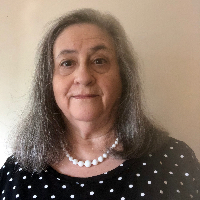
Mississippi · 23 yrs exp
LCSW in Mississippi - Guilt and shame, Life change
Stress, Anxiety · Grief · Anger · Self esteem · +8 more
Read profile
South Carolina · 10 yrs exp
LISW-CP - Trauma and relationships
Stress, Anxiety · Relationship · Family · Trauma and abuse · +1 more
Read profile
Michigan · 35 yrs exp
LMSW counselor - Stress and relationships
Stress, Anxiety · Addictions · Trauma and abuse · Self esteem · +3 more
Read profile
North Carolina · 20 yrs exp
Licensed Professional Counselor - Stress and Relationships
Stress, Anxiety · Relationship · Family · Self esteem · +9 more
Read profile
Indiana · 11 yrs exp
Licensed Clinical Social Worker - Guilt and shame, relationships
Stress, Anxiety · Grief · Depression · Coping with life changes · +8 more
Read profile
Mississippi · 12 yrs exp
Licensed Clinical Social Worker - Guilt and shame, Addictions
Stress, Anxiety · Addictions · Anger · Self esteem · +12 more
Read profile
Florida · 20 yrs exp
Florida LMHC - Relationships and Anxiety
Stress, Anxiety · Relationship · Family · Self esteem · +9 more
Read profile
Tennessee · 35 yrs exp
Licensed Clinical Social Worker - Guilt and shame
Stress, Anxiety · Grief · Self esteem · Depression · +8 more
Read profile
Texas · 4 yrs exp
LPC in Texas - Guilt and shame, relationships
Stress, Anxiety · Addictions · Relationship · Family · +3 more
Read profile
Alabama · 20 yrs exp
Licensed Professional Counselor - Anxiety and Grief
Stress, Anxiety · Relationship · Grief · Depression · +9 more
Read profile
North Carolina · 25 yrs exp
LCMHC - Stress and Trauma
Stress, Anxiety · Addictions · Family · Trauma and abuse · +11 more
Read profile
South Carolina · 20 yrs exp
Licensed social worker - Stress and eating issues
Stress, Anxiety · Relationship · Eating · Self esteem · +10 more
Read profile
Michigan · 24 yrs exp
Licensed clinical social worker - Guilt and shame
Stress, Anxiety · Addictions · Relationship · Family · +1 more
Read profile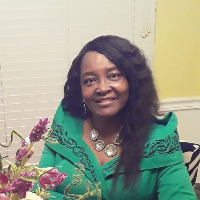
Florida · 20 yrs exp
LMHC - Anxiety and Relationships
Stress, Anxiety · Addictions · Relationship · Self esteem · +1 more
Read profile
New York · 13 yrs exp
LMHC - Anxiety and Guilt support
Stress, Anxiety · Self esteem · Depression · Coping with life changes · +8 more
Read profile
Louisiana · 20 yrs exp
Licensed LPC - Addictions and Trauma
Addictions · Trauma and abuse · Anger · Bipolar · +1 more
Read profile
Texas · 5 yrs exp
LCSW - Stress and relationship concerns
Stress, Anxiety · Relationship · Family · Trauma and abuse · +9 more
Read profile
Louisiana · 15 yrs exp
Dr. Natisha Davis-Wilson, LPC - Stress and Trauma
Stress, Anxiety · Trauma and abuse · Grief · Self esteem · +1 more
Read profile
Florida · 11 yrs exp
Florida LMHC - Guilt and relationship concerns
Stress, Anxiety · Relationship · Parenting · Self esteem · +11 more
Read profile
Texas · 26 yrs exp
Licensed counselor - Guilt and shame, relationships
Stress, Anxiety · Relationship · Trauma and abuse · Grief · +11 more
Read profile
Colorado · 13 yrs exp
Licensed Marriage and Family Therapist - Relationships and Trauma
Stress, Anxiety · LGBT · Relationship · Trauma and abuse · +10 more
Read profileWhen you are carrying guilt or shame, it can feel closely tied to mood - persistent sadness, low energy, or intense fluctuation in how you feel about yourself. Guilt tends to relate to specific actions or things you did or did not do. Shame more often reflects a painful sense that something is wrong with you as a person. Those experiences can overlap and influence one another, but they are distinct in how they affect your thinking, behavior and relationships.
Talking about what you feel can help you see the difference between remorse for an action and a broader belief that you are fundamentally flawed. That clearer view can change how you make decisions about boundaries, atonement and safety. This directory groups clinicians who list Mood Disorders and who also note guilt and shame among their focus areas, but a listing is not evidence of specialist certification, a particular diagnostic service, or specific treatment outcomes. Use profiles to gather information and decide which clinicians you want to contact to ask more.
Your mood and feelings of guilt or shame may coexist for many reasons. For some people, depressive moods intensify self-critical thinking and make past actions seem more condemnable. For others, shame from relationships, upbringing, faith communities or traumatic events can be a long-standing part of identity that affects mood regulation. The relationship between mood symptoms and self-blame is unique to each person, and it is important not to assume one automatically causes the other.
On this page you will find clinicians who describe Mood Disorders among their focus areas and who also list guilt and shame as concerns they address. That dual listing is a way for clinicians to signal areas they work with, but it does not prove a specific pathway of care or guarantee a particular approach. When you read profiles, consider how the clinician frames the interaction between mood and self-directed emotions and whether that framing resonates with your experience.
When you reach out from a profile, prepare focused questions that help you compare how clinicians describe their work. You might ask how they typically understand mood symptoms that are entangled with shame, and what kinds of conversations they prioritize early on. Ask whether they work with people who have similar life contexts to yours, such as complex family histories, religious backgrounds, relationship losses or trauma, and what kinds of goals other clients have pursued.
It is also useful to ask about the therapist's stated approaches in plain terms. For example, you can ask what they mean when they list particular approaches, how they decide which strategies to use with a person, and how they involve you in choosing a path forward. Rather than assuming that every clinician uses a listed approach in the same way, ask for examples of how that approach might show up in a session. Concrete questions like these give you a clearer sense of fit: How do you help people who feel stuck in shame to reframe self-critical thoughts? How do you address mood symptoms that make it hard to get out of bed or concentrate? What kinds of steps do you take if intense guilt is linked to relationship or legal concerns?
Before you begin with someone you found in a profile, clarify practical and safety considerations. Ask whether the clinician works with people in your listed location and what it means for them to note a listed location on their profile. Confirm how they handle emergencies and whether they can provide guidance if you experience a crisis outside of sessions. If thoughts of harming yourself or others are present, contact local emergency services or a national crisis line right away; do not wait to connect with a clinician.
If you plan to meet remotely, discuss the technology you will use and any measures the clinician takes to protect your privacy and communications. Ask about their typical meeting length and how they structure sessions for people whose mood symptoms make concentration or scheduling difficult. Discuss what a typical early session looks like - whether they gather history, help you set short-term goals, or offer immediate strategies to manage overwhelming feelings. These practical conversations help set expectations and ensure you and the clinician are aligned on process and safety.
Profiles are a starting point for comparison. Focus areas tell you what clinicians say they work with, but they do not replace a conversation about scope. When you compare profiles, read how a clinician describes their approach to mood and to feelings like guilt and shame. Some clinicians describe more emotion-focused work, others emphasize behavioral strategies or exploring past events and patterns. Look for language that feels approachable to you - some profiles are more clinical, others more conversational - and think about whether that voice would help you engage.
Pay attention to the languages listed on profiles if communicating in a language you prefer matters to you. Also note the degrees professionals list - for example PhD, PsyD, MD, MA or MSW - and treat those as academic qualifications distinct from regulatory permissions to practice. In the United States, clinicians commonly indicate state licensure; in the United Kingdom and Australia, practitioners often note registration or membership with professional bodies. A degree alone does not confirm current legal permission to provide care in a jurisdiction. If professional registration or licensure matters to you, ask the clinician directly about their current status and what that means in their country or state.
Style and interpersonal fit can be as important as formal credentials. Profiles sometimes mention whether a clinician describes their stance as direct, exploratory, collaborative or skills-focused. Consider what style helps you feel understood and what might make you feel judged. Because guilt and shame have moral and relational elements, you might prefer a clinician who emphasizes compassion and curiosity rather than one who focuses primarily on problem-solving. Ultimately, use the profiles to create a shortlist of people to contact, prepare the concrete questions you want to ask, and have an initial conversation to judge fit for yourself.
Remember that this directory groups clinicians who list Mood Disorders and who note guilt and shame among the topics they address, but that listing is not evidence of certification, a specific therapeutic outcome, or the exact scope of a clinician's practice. If shame includes thoughts of harming yourself, please contact emergency services or a crisis line in your country immediately. Use the profiles on this page to compare focus areas, approaches, languages and credentials so you can choose whom to contact for a conversation about your needs.
Alabama
97 therapists
Alaska
19 therapists
Arizona
91 therapists
Arkansas
63 therapists
Australia
307 therapists
California
802 therapists
Colorado
180 therapists
Connecticut
69 therapists
Delaware
13 therapists
District of Columbia
20 therapists
Florida
661 therapists
Georgia
165 therapists
Hawaii
28 therapists
Idaho
48 therapists
Illinois
246 therapists
Indiana
118 therapists
Iowa
31 therapists
Kansas
50 therapists
Kentucky
126 therapists
Louisiana
124 therapists
Maine
19 therapists
Maryland
141 therapists
Massachusetts
81 therapists
Michigan
249 therapists
Minnesota
95 therapists
Mississippi
74 therapists
Missouri
149 therapists
Montana
45 therapists
Nebraska
41 therapists
Nevada
50 therapists
New Hampshire
12 therapists
New Jersey
158 therapists
New Mexico
34 therapists
New York
399 therapists
North Carolina
262 therapists
North Dakota
10 therapists
Ohio
168 therapists
Oklahoma
135 therapists
Oregon
56 therapists
Pennsylvania
251 therapists
Rhode Island
11 therapists
South Carolina
119 therapists
South Dakota
16 therapists
Tennessee
125 therapists
Texas
847 therapists
United Kingdom
1362 therapists
Utah
75 therapists
Vermont
19 therapists
Virginia
132 therapists
Washington
108 therapists
West Virginia
23 therapists
Wisconsin
109 therapists
Wyoming
20 therapists