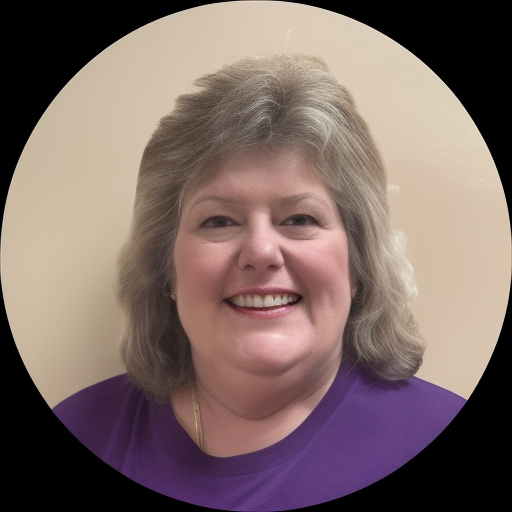
Marsha Oxamendi
LCSWFlorida · 14 yrs exp
LCSW - Stress and relationship concerns
Stress, Anxiety · Grief · Anger · Self esteem · +12 more
Read profileTherapist listings are provided by BetterHelp. We will earn a commission at no additional cost to you if you use our links to purchase.
This page groups therapists and counsellors who list Compassion Fatigue among their specialties and who also note guilt and shame among their focus areas. You can compare profiles by approach, academic degrees and professional registration, languages, and listed location to help find a match. Browse the profiles below to learn more about each clinician's focus and background.
Florida · 14 yrs exp
LCSW - Stress and relationship concerns
Stress, Anxiety · Grief · Anger · Self esteem · +12 more
Read profile
Michigan · 25 yrs exp
Licensed counselor - Guilt and shame related concerns
Stress, Anxiety · LGBT · Relationship · Grief · +10 more
Read profile
Arizona · 6 yrs exp
Licensed counselor - anxiety and relationships
Stress, Anxiety · Relationship · Family · Self esteem · +11 more
Read profile
Texas · 22 yrs exp
Licensed Professional Counselor - Guilt and life changes
Stress, Anxiety · Grief · Career · Depression · +9 more
Read profile
Oregon · 14 yrs exp
Licensed Professional Counselor - Guilt and shame
Grief · Self esteem · Career · Depression · +8 more
Read profile
Florida · 12 yrs exp
LMHC - Guilt and shame, relationships
Stress, Anxiety · Relationship · Intimacy-related issues · Depression · +8 more
Read profile
Oregon · 32 yrs exp
Licensed Marriage and Family Therapist - Anxiety and Relationships
Stress, Anxiety · Relationship · Trauma and abuse · Grief · +9 more
Read profile
Oklahoma · 30 yrs exp
Licensed Professional Counselor - Guilt and shame, Relationships
Stress, Anxiety · Grief · Intimacy-related issues · Depression · +8 more
Read profile
Mississippi · 23 yrs exp
LCSW in Mississippi - Guilt and shame, Life change
Stress, Anxiety · Grief · Anger · Self esteem · +8 more
Read profile
North Carolina · 13 yrs exp
Licensed Clinical Social Worker - Guilt and shame, Relationships
Stress, Anxiety · Relationship · Family · Self esteem · +13 more
Read profile
Kentucky · 11 yrs exp
LMFT in Kentucky - Relationships and Guilt and shame
Stress, Anxiety · Relationship · Family · Self esteem · +9 more
Read profile
Pennsylvania · 9 yrs exp
Licensed Professional Counselor - Guilt and shame, relationships
Stress, Anxiety · Grief · Parenting · Self esteem · +11 more
Read profile
Louisiana · 14 yrs exp
LCSW working with stress and trauma
Stress, Anxiety · Anger · Self esteem · Depression · +9 more
Read profile
Florida · 20 yrs exp
Florida LMHC - Relationships and Anxiety
Stress, Anxiety · Relationship · Family · Self esteem · +9 more
Read profile
Tennessee · 35 yrs exp
Licensed Clinical Social Worker - Guilt and shame
Stress, Anxiety · Grief · Self esteem · Depression · +8 more
Read profile
Virginia · 14 yrs exp
Licensed Professional Counselor - Trauma and mood concerns
Trauma and abuse · Grief · Coping with life changes · Compassion fatigue · +12 more
Read profile
Alabama · 20 yrs exp
Licensed Professional Counselor - Anxiety and Grief
Stress, Anxiety · Relationship · Grief · Depression · +9 more
Read profile
New York · 13 yrs exp
LMHC - Anxiety and Guilt support
Stress, Anxiety · Self esteem · Depression · Coping with life changes · +8 more
Read profile
Florida · 11 yrs exp
Florida LMHC - Guilt and relationship concerns
Stress, Anxiety · Relationship · Parenting · Self esteem · +11 more
Read profile
Texas · 26 yrs exp
Licensed counselor - Guilt and shame, relationships
Stress, Anxiety · Relationship · Trauma and abuse · Grief · +11 more
Read profile
Colorado · 13 yrs exp
Licensed Marriage and Family Therapist - Relationships and Trauma
Stress, Anxiety · LGBT · Relationship · Trauma and abuse · +10 more
Read profile
South Carolina · 25 yrs exp
LPC counselor - anxiety and trauma
Stress, Anxiety · LGBT · Relationship · Trauma and abuse · +9 more
Read profile
Oklahoma · 27 yrs exp
LPC in Oklahoma - Guilt and shame, trauma
Stress, Anxiety · Addictions · Parenting · Anger · +11 more
Read profile
Texas · 11 yrs exp
LCSW - Relationships and Guilt
Stress, Anxiety · Relationship · Trauma and abuse · Self esteem · +5 more
Read profile
Florida · 40 yrs exp
Florida LCSW - Addictions and Relationships
Addictions · Relationship · Grief · Depression · +13 more
Read profile
Pennsylvania · 15 yrs exp
Licensed Professional Counselor - Stress and Trauma
Stress, Anxiety · Relationship · Self esteem · Depression · +14 more
Read profile
Montana · 10 yrs exp
Licensed counselor - Guilt and shame, relationships
Stress, Anxiety · Trauma and abuse · Grief · Parenting · +9 more
Read profile
Michigan · 26 yrs exp
LMSW in Michigan - Guilt and relationship concerns
Stress, Anxiety · Addictions · Relationship · Grief · +14 more
Read profile
Ohio · 18 yrs exp
Ohio LISW - Guilt and shame, relationships
Stress, Anxiety · Relationship · Grief · Self esteem · +10 more
Read profile
North Carolina · 27 yrs exp
Licensed clinical counselor - Guilt and shame
Stress, Anxiety · Self esteem · Coping with life changes · Relationship · +7 more
Read profileGuilt and shame are related but different experiences that often get mixed together. Guilt typically focuses on something you did or did not do - a feeling that a specific action was wrong or caused harm. Shame tends to be global - a painful sense that something is wrong with who you are. When you carry these feelings they can shape how you think about relationships, work, parenting, faith, and past trauma. Putting words to what you feel and how often it comes up can help you see patterns that feel confusing when lived inside your head.
Talking through guilt or shame does not promise forgiveness or closure, and it is not a moral judgement. A conversation with a therapist can help you separate what you are responsible for from the meanings you attach to yourself. That clarity can reduce the intensity of repetitive self‑criticism and make it easier to weigh options and choices in daily life. If shame ever includes thoughts of harming yourself, reach out immediately to emergency services or crisis lines - in the United States call 988, in the United Kingdom contact Samaritans at 116 123, and in Australia contact Lifeline at 13 11 14.
Compassion Fatigue is often used to describe the emotional exhaustion and reduced capacity to care that can occur when you are regularly exposed to other people's suffering. Many people who look up this topic are health workers, carers, clergy, volunteers, or family members who feel drained by the emotional demands they carry. That lived strain can overlap with guilt or shame in different ways - you might feel guilty about boundaries you set, ashamed of needing help, or weighed down by a perceived failure to do enough.
This directory groups profiles that list Compassion Fatigue as a focus area and that also list guilt and shame among additional concerns. That grouping does not establish that one caused the other for you or that a particular therapist treats those issues in the same way. It simply highlights clinicians who have chosen to note these topics in their profiles. When you read a profile, look for language about the kinds of situations the clinician mentions - whether they refer to caregiving, trauma, moral distress, or other contexts - to see how closely their focus aligns with what you are carrying.
When you compare profiles, you will want to move from general impressions to specific questions that matter for your situation. Consider asking how the therapist describes their work with people who feel overwhelmed by caregiving or who struggle with guilt tied to family, faith, relationships, or past actions. Ask whether they have experience supporting people with trauma‑related shame and what kinds of outcomes people tend to describe after several months of work. Phrase those questions to fit the clinician's profile language - for example, ask about experience with moral distress if that term appears in their description.
It helps to be precise about professional credentials. Profiles may list degrees such as PhD, PsyD, MD, MA, or MSW; a degree names academic training but does not by itself indicate current permission to practise. In the United States many clinicians list state licensure abbreviations; in the United Kingdom and Australia you may see references to registration or membership with professional bodies. You can ask the clinician what license, registration, or membership they hold and in which jurisdiction that permits them to work with you. Also ask whether the clinician commonly works with adults only, or whether their scope includes couples, children, or families, because a listed topic does not automatically indicate the population treated.
If you are considering remote care, bring up practical and safety‑related questions before you begin. Ask how the clinician handles records and communication, and what steps they take to protect your information and session notes. Check which jurisdiction covers the clinician's practice and what happens if you need immediate help during a session - you should have a clear plan for who to contact locally in an emergency. Talk about expected session length and how cancellations are managed, and be clear about what you hope to address in early sessions so the clinician can say whether their approach aligns with your needs.
Technology matters too. Ask which platforms the clinician uses and what you should do if a connection drops. If you are joining from a place where you cannot speak freely, discuss how to create a personal, comfortable environment for sessions and what alternate communication options might be available. These practical conversations can reduce anxiety about logistics so you can focus on the topics you want to explore.
Profiles are written in different ways - some list specific populations or issues, others emphasise general approaches. Read beyond the headline. If a profile mentions Compassion Fatigue and guilt or shame, look for further detail about the kinds of experiences the clinician commonly sees. Notice whether they highlight work with trauma, bereavement, faith communities, or workplace moral distress, and decide which context most closely matches what you want to address.
Language and cultural understanding can be crucial. Profiles that list additional languages you speak, or that describe experience with particular cultural or faith backgrounds, can make a difference when shame or guilt is tied to family expectations or community norms. Compare the academic degrees listed with the professional registration or licensure information. Also consider therapeutic style: some clinicians describe themselves as more exploratory and reflective, while others describe a more skills‑based or structured approach. You might see phrases like "therapists who list EMDR among their approaches" or "therapists who list CBT among their approaches" in profiles; treat those as conversation starters rather than proof of specific training or certification. If a particular approach interests you, ask a clinician how they typically integrate it and what you might expect in an early session.
Finally, note that profiles may include a listed location which can matter if you prefer in‑person work or if local jurisdiction questions apply. Profiles will not always specify every practical detail, so use the profile as a starting point to contact a clinician by message or phone to ask the concrete questions that matter for your situation. Keep in mind that a listed topic does not guarantee work with children, couples, or certain issues. Discuss your needs directly with the clinician to determine whether their scope fits what you are seeking.
Comparing profiles carefully and asking clear, specific questions can help you find a clinician whose focus and style match what you want to address. Explore the profiles listed on this page to learn more about the clinicians who note Compassion Fatigue, guilt, and shame, and reach out to begin a conversation that fits your needs and circumstances.
Alabama
97 therapists
Alaska
19 therapists
Arizona
91 therapists
Arkansas
63 therapists
Australia
307 therapists
California
802 therapists
Colorado
180 therapists
Connecticut
69 therapists
Delaware
13 therapists
District of Columbia
20 therapists
Florida
661 therapists
Georgia
165 therapists
Hawaii
28 therapists
Idaho
48 therapists
Illinois
246 therapists
Indiana
118 therapists
Iowa
31 therapists
Kansas
50 therapists
Kentucky
126 therapists
Louisiana
124 therapists
Maine
19 therapists
Maryland
141 therapists
Massachusetts
81 therapists
Michigan
249 therapists
Minnesota
95 therapists
Mississippi
74 therapists
Missouri
149 therapists
Montana
45 therapists
Nebraska
41 therapists
Nevada
50 therapists
New Hampshire
12 therapists
New Jersey
158 therapists
New Mexico
34 therapists
New York
399 therapists
North Carolina
262 therapists
North Dakota
10 therapists
Ohio
168 therapists
Oklahoma
135 therapists
Oregon
56 therapists
Pennsylvania
251 therapists
Rhode Island
11 therapists
South Carolina
119 therapists
South Dakota
16 therapists
Tennessee
125 therapists
Texas
847 therapists
United Kingdom
1362 therapists
Utah
75 therapists
Vermont
19 therapists
Virginia
132 therapists
Washington
108 therapists
West Virginia
23 therapists
Wisconsin
109 therapists
Wyoming
20 therapists