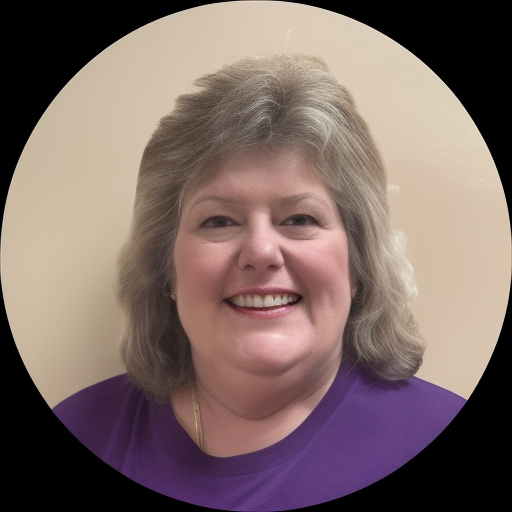
Marsha Oxamendi
LCSWFlorida · 14 yrs exp
LCSW - Stress and relationship concerns
Stress, Anxiety · Grief · Anger · Self esteem · +12 more
Read profileTherapist listings are provided by BetterHelp. We will earn a commission at no additional cost to you if you use our links to purchase.
This page groups profiles of clinicians who list Coping with Life Changes alongside guilt and shame as a focus area. Use the information in each profile to compare approaches, credentials, listed location and languages, then browse profiles to find someone who may fit your needs.
Profiles include descriptions of focus areas, approaches and qualifications so you can make informed comparisons before reaching out to a clinician.
Florida · 14 yrs exp
LCSW - Stress and relationship concerns
Stress, Anxiety · Grief · Anger · Self esteem · +12 more
Read profile
Michigan · 25 yrs exp
Licensed counselor - Guilt and shame related concerns
Stress, Anxiety · LGBT · Relationship · Grief · +10 more
Read profile
Illinois · 19 yrs exp
Dr. Steven Hurley - Psychologist, Anxiety and Trauma
Stress, Anxiety · LGBT · Relationship · Trauma and abuse · +9 more
Read profile
New York · 24 yrs exp
LCSW - Stress and relationship concerns
Stress, Anxiety · Relationship · Anger · Self esteem · +12 more
Read profile
Kentucky · 28 yrs exp
Licensed counselor - Relationships and adjustment
Stress, Anxiety · Relationship · Family · Grief · +5 more
Read profile
Arizona · 6 yrs exp
Licensed counselor - anxiety and relationships
Stress, Anxiety · Relationship · Family · Self esteem · +11 more
Read profile
Texas · 22 yrs exp
Licensed Professional Counselor - Guilt and life changes
Stress, Anxiety · Grief · Career · Depression · +9 more
Read profile
Oregon · 14 yrs exp
Licensed Professional Counselor - Guilt and shame
Grief · Self esteem · Career · Depression · +8 more
Read profile
Florida · 12 yrs exp
LMHC - Guilt and shame, relationships
Stress, Anxiety · Relationship · Intimacy-related issues · Depression · +8 more
Read profile
Oregon · 32 yrs exp
Licensed Marriage and Family Therapist - Anxiety and Relationships
Stress, Anxiety · Relationship · Trauma and abuse · Grief · +9 more
Read profile
Oklahoma · 30 yrs exp
Licensed Professional Counselor - Guilt and shame, Relationships
Stress, Anxiety · Grief · Intimacy-related issues · Depression · +8 more
Read profile
Mississippi · 23 yrs exp
LCSW in Mississippi - Guilt and shame, Life change
Stress, Anxiety · Grief · Anger · Self esteem · +8 more
Read profile
North Carolina · 13 yrs exp
Licensed Clinical Social Worker - Guilt and shame, Relationships
Stress, Anxiety · Relationship · Family · Self esteem · +13 more
Read profile
Washington · 12 yrs exp
Licensed Marriage and Family Therapist - relationships and family issues
Stress, Anxiety · Family · Anger · Self esteem · +6 more
Read profile
Florida · 10 yrs exp
LCSW - Anxiety and Addictions
Stress, Anxiety · Addictions · Family · Grief · +8 more
Read profile
North Carolina · 20 yrs exp
Licensed Professional Counselor - Stress and Relationships
Stress, Anxiety · Relationship · Family · Self esteem · +9 more
Read profile
Indiana · 11 yrs exp
Licensed Clinical Social Worker - Guilt and shame, relationships
Stress, Anxiety · Grief · Depression · Coping with life changes · +8 more
Read profile
Kentucky · 11 yrs exp
LMFT in Kentucky - Relationships and Guilt and shame
Stress, Anxiety · Relationship · Family · Self esteem · +9 more
Read profile
Pennsylvania · 9 yrs exp
Licensed Professional Counselor - Guilt and shame, relationships
Stress, Anxiety · Grief · Parenting · Self esteem · +11 more
Read profile
Louisiana · 14 yrs exp
LCSW working with stress and trauma
Stress, Anxiety · Anger · Self esteem · Depression · +9 more
Read profile
Mississippi · 12 yrs exp
Licensed Clinical Social Worker - Guilt and shame, Addictions
Stress, Anxiety · Addictions · Anger · Self esteem · +12 more
Read profile
Florida · 20 yrs exp
Florida LMHC - Relationships and Anxiety
Stress, Anxiety · Relationship · Family · Self esteem · +9 more
Read profile
Tennessee · 35 yrs exp
Licensed Clinical Social Worker - Guilt and shame
Stress, Anxiety · Grief · Self esteem · Depression · +8 more
Read profile
Virginia · 14 yrs exp
Licensed Professional Counselor - Trauma and mood concerns
Trauma and abuse · Grief · Coping with life changes · Compassion fatigue · +12 more
Read profile
Wisconsin · 11 yrs exp
Licensed Professional Counselor - Relationships and Self-esteem
Stress, Anxiety · Relationship · Family · Self esteem · +6 more
Read profile
Alabama · 20 yrs exp
Licensed Professional Counselor - Anxiety and Grief
Stress, Anxiety · Relationship · Grief · Depression · +9 more
Read profile
North Carolina · 25 yrs exp
LCMHC - Stress and Trauma
Stress, Anxiety · Addictions · Family · Trauma and abuse · +11 more
Read profile
South Carolina · 20 yrs exp
Licensed social worker - Stress and eating issues
Stress, Anxiety · Relationship · Eating · Self esteem · +10 more
Read profile
Michigan · 16 yrs exp
Licensed Professional Counselor - Guilt and shame, Addictions
Stress, Anxiety · Addictions · Relationship · Parenting · +8 more
Read profile
New York · 13 yrs exp
LMHC - Anxiety and Guilt support
Stress, Anxiety · Self esteem · Depression · Coping with life changes · +8 more
Read profileWhen you are navigating a big life change - a breakup, a career shift, bereavement, a move, the end of a relationship with faith, or the aftermath of trauma - feelings of guilt and shame can be distressing and confusing. Guilt usually centres on something you did or did not do. It often points to a behavior you wish had been different. Shame is more about who you feel you are - a painful sense that there is something fundamentally wrong with you. The two emotions can overlap, and you may experience both: guilt about specific actions and shame about yourself as a person.
Talking through these feelings with a mental health professional can help you untangle the distinctions and see patterns in how you react to life changes. A conversation may clarify whether your feelings relate to responsibility, regret, identity, or social expectations. That clarity can make it easier to set practical goals for conversations, boundaries, or daily routines. It is important to note that describing these conversations here is informational; no therapist or profile can promise forgiveness, closure or a particular outcome.
If your shame includes thoughts of harming yourself, please contact emergency services or a local crisis line right away. Immediate help is appropriate whenever you feel at risk.
Not every life transition leads to guilt or shame, and the presence of these emotions does not mean a direct cause-effect relationship. Some people find that a change in role - for example becoming a parent or losing a job - can reveal long-standing beliefs about self-worth. For others, an event may trigger memories of past experiences that feed shame. On this page you will find clinicians who list Coping with Life Changes as a specialty along with guilt and shame. That overlap simply indicates areas they have chosen to describe as part of their work; it does not prove a particular training pathway or guarantee a specific therapy method.
When you read a profile, look for language that resonates with how you experience guilt and shame. Some clinicians describe their focus in terms of identity and narrative - helping you explore the stories you tell about yourself. Others emphasize practical coping - building skills to manage distress during transitions. You may also see references to common therapeutic approaches; remember these are approaches that therapists list among their options, not proof of formal certification. If you want to discuss a specific approach, frame it as a question when you make contact rather than assuming it is provided.
Before you contact someone, it helps to have a few clear questions in mind so you can compare profiles efficiently. You might ask whether the clinician lists guilt and shame among their focus areas and how they typically describe working with those themes. Ask how they conceptualize life transitions and whether they have experience with issues similar to yours, such as grief, identity shifts, or faith-related change. If a profile mentions particular approaches, you can ask about those in neutral terms - for example, whether the therapist lists cognitive behavioral strategies, narrative approaches, emotion-focused work or therapies that address trauma among their approaches. Phrase questions so you learn what to expect rather than presuming a method will be used.
You should also ask about the clinician's background in terms of degrees and professional standing. Academic qualifications such as PhD, PsyD, MD, MA or MSW indicate education, but a degree alone does not establish current permission to practise. In the United States, therapists commonly list licenses such as LCSW, LPC, LMFT or psychologist licensure; in the United Kingdom you may see registration or membership with bodies such as HCPC, BACP or UKCP; in Australia look for AHPRA registration or membership in national professional associations. Profiles often indicate these credentials; use that information as a starting point for discussion rather than a substitute for direct questioning about scope and experience.
If you are considering remote contact, clarify practical matters early on. Ask how the clinician typically conducts initial sessions and what communication methods they use for follow-up. Discuss how they handle urgent situations and whether they have a plan you are comfortable with if you need immediate assistance between contacts. You can ask where they are based and what listed location appears on their profile, which helps you confirm jurisdictional rules that affect practice. Talk about the best ways to reach them, expected response times for non-urgent messages and what to do in a crisis. These are reasonable questions that help you assess fit without turning the conversation into a contract.
When you speak about content, describe what guilt or shame feels like for you, including triggers and how it affects daily functioning. If you have a history of trauma or self-harm thoughts, say so at the start so the clinician can explain their experience and protocols for crisis care. A listed topic does not establish that the therapist treats children, couples, or families. Readers should discuss their needs and the therapist's actual scope directly. You can also ask about language preferences and whether the clinician lists the languages they use in sessions.
Profiles vary in how much detail they provide. To make comparisons clearer, look at four main areas: focus areas, approaches, credentials and personal style. Focus areas tell you whether the clinician explicitly names guilt and shame, life transitions, grief, trauma or identity-related concerns. Approaches indicate the kinds of frameworks the clinician lists among their tools - for example, cognitive approaches, narrative work, emotion-focused strategies or trauma-informed methods. When you see an approach listed, consider framing it as an option to discuss rather than assuming it will define every session. You might ask whether the clinician often works with people who have similar backgrounds or experiences to yours.
Credentials and degrees are informative in different ways. Degrees such as MA, MSW, PhD, PsyD and MD point to educational background. Licenses and registrations indicate legal permission to practise in a specific jurisdiction. If a clinician lists membership in a professional association, that can provide additional context about ongoing professional engagement. Language offerings and listed location help you know whether you can communicate in your preferred language and whether the clinician is practising under the regulatory framework relevant to you. Personal style is often described in a short paragraph in profiles; read that text for clues about whether a clinician tends toward a practical problem-solving stance, a reflective conversational approach, or a relational, supportive tone.
When you have narrowed your choices, prepare a short set of questions tailored to what matters most to you. Ask about experience with guilt and shame, how they handle crises, their jurisdictional credentials, language competence and what to expect in early conversations. Use the profile information to guide these questions and to decide which profiles to contact. The goal of comparing is to find someone whose stated focus, style and credentials align with your needs so initial conversations can be efficient and informative.
Making a choice about who to contact is a personal process. Profiles on this site are designed to help you compare clinicians who list Coping with Life Changes and guilt and shame among their focus areas. They are a starting point for direct conversation that can clarify scope, approach and fit for your situation.
Alabama
97 therapists
Alaska
19 therapists
Arizona
91 therapists
Arkansas
63 therapists
Australia
307 therapists
California
802 therapists
Colorado
180 therapists
Connecticut
69 therapists
Delaware
13 therapists
District of Columbia
20 therapists
Florida
661 therapists
Georgia
165 therapists
Hawaii
28 therapists
Idaho
48 therapists
Illinois
246 therapists
Indiana
118 therapists
Iowa
31 therapists
Kansas
50 therapists
Kentucky
126 therapists
Louisiana
124 therapists
Maine
19 therapists
Maryland
141 therapists
Massachusetts
81 therapists
Michigan
249 therapists
Minnesota
95 therapists
Mississippi
74 therapists
Missouri
149 therapists
Montana
45 therapists
Nebraska
41 therapists
Nevada
50 therapists
New Hampshire
12 therapists
New Jersey
158 therapists
New Mexico
34 therapists
New York
399 therapists
North Carolina
262 therapists
North Dakota
10 therapists
Ohio
168 therapists
Oklahoma
135 therapists
Oregon
56 therapists
Pennsylvania
251 therapists
Rhode Island
11 therapists
South Carolina
119 therapists
South Dakota
16 therapists
Tennessee
125 therapists
Texas
847 therapists
United Kingdom
1362 therapists
Utah
75 therapists
Vermont
19 therapists
Virginia
132 therapists
Washington
108 therapists
West Virginia
23 therapists
Wisconsin
109 therapists
Wyoming
20 therapists