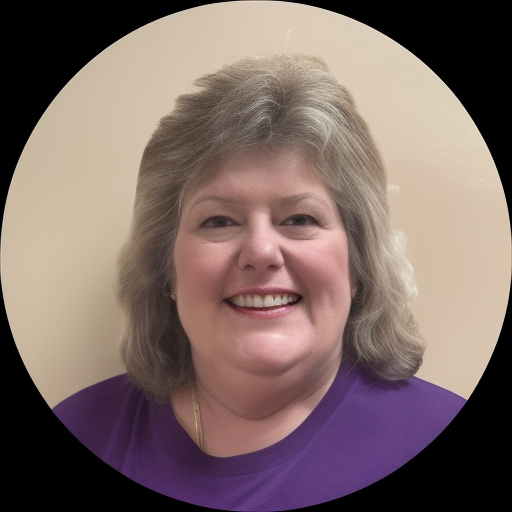
Marsha Oxamendi
LCSWFlorida · 14 yrs exp
LCSW - Stress and relationship concerns
Stress, Anxiety · Grief · Anger · Self esteem · +12 more
Read profileTherapist listings are provided by BetterHelp. We will earn a commission at no additional cost to you if you use our links to purchase.
On this page you can compare therapist profiles that list intimacy issues as a focus alongside guilt and shame. Use the filters to review listed location, credentials, approaches, languages and years of experience, then browse profiles to learn more.
When you find profiles that look relevant, read the descriptions and reach out to discuss whether a therapist’s focus and approach fit what you need.
Florida · 14 yrs exp
LCSW - Stress and relationship concerns
Stress, Anxiety · Grief · Anger · Self esteem · +12 more
Read profile
Michigan · 25 yrs exp
Licensed counselor - Guilt and shame related concerns
Stress, Anxiety · LGBT · Relationship · Grief · +10 more
Read profile
Illinois · 19 yrs exp
Dr. Steven Hurley - Psychologist, Anxiety and Trauma
Stress, Anxiety · LGBT · Relationship · Trauma and abuse · +9 more
Read profile
Florida · 23 yrs exp
LICSW LCSW - LGBT and Intimacy concerns
LGBT · Intimacy-related issues
Read profile
New York · 24 yrs exp
LCSW - Stress and relationship concerns
Stress, Anxiety · Relationship · Anger · Self esteem · +12 more
Read profile
Kentucky · 28 yrs exp
Licensed counselor - Relationships and adjustment
Stress, Anxiety · Relationship · Family · Grief · +5 more
Read profile
Arizona · 6 yrs exp
Licensed counselor - anxiety and relationships
Stress, Anxiety · Relationship · Family · Self esteem · +11 more
Read profile
Florida · 12 yrs exp
LMHC - Guilt and shame, relationships
Stress, Anxiety · Relationship · Intimacy-related issues · Depression · +8 more
Read profile
Oklahoma · 30 yrs exp
Licensed Professional Counselor - Guilt and shame, Relationships
Stress, Anxiety · Grief · Intimacy-related issues · Depression · +8 more
Read profile
North Carolina · 20 yrs exp
Licensed Professional Counselor - Stress and Relationships
Stress, Anxiety · Relationship · Family · Self esteem · +9 more
Read profile
Kentucky · 11 yrs exp
LMFT in Kentucky - Relationships and Guilt and shame
Stress, Anxiety · Relationship · Family · Self esteem · +9 more
Read profile
Pennsylvania · 9 yrs exp
Licensed Professional Counselor - Guilt and shame, relationships
Stress, Anxiety · Grief · Parenting · Self esteem · +11 more
Read profile
Mississippi · 12 yrs exp
Licensed Clinical Social Worker - Guilt and shame, Addictions
Stress, Anxiety · Addictions · Anger · Self esteem · +12 more
Read profile
Tennessee · 35 yrs exp
Licensed Clinical Social Worker - Guilt and shame
Stress, Anxiety · Grief · Self esteem · Depression · +8 more
Read profile
Virginia · 14 yrs exp
Licensed Professional Counselor - Trauma and mood concerns
Trauma and abuse · Grief · Coping with life changes · Compassion fatigue · +12 more
Read profile
Alabama · 20 yrs exp
Licensed Professional Counselor - Anxiety and Grief
Stress, Anxiety · Relationship · Grief · Depression · +9 more
Read profile
Michigan · 16 yrs exp
Licensed Professional Counselor - Guilt and shame, Addictions
Stress, Anxiety · Addictions · Relationship · Parenting · +8 more
Read profile
Oregon · 17 yrs exp
LMFT - Stress and trauma focused
Stress, Anxiety · Trauma and abuse · Grief · Intimacy-related issues · +1 more
Read profile
Texas · 26 yrs exp
Licensed counselor - Guilt and shame, relationships
Stress, Anxiety · Relationship · Trauma and abuse · Grief · +11 more
Read profile
Colorado · 13 yrs exp
Licensed Marriage and Family Therapist - Relationships and Trauma
Stress, Anxiety · LGBT · Relationship · Trauma and abuse · +10 more
Read profile
South Carolina · 25 yrs exp
LPC counselor - anxiety and trauma
Stress, Anxiety · LGBT · Relationship · Trauma and abuse · +9 more
Read profile
Texas · 11 yrs exp
LCSW - Relationships and Guilt
Stress, Anxiety · Relationship · Trauma and abuse · Self esteem · +5 more
Read profile
Florida · 40 yrs exp
Florida LCSW - Addictions and Relationships
Addictions · Relationship · Grief · Depression · +13 more
Read profile
Missouri · 13 yrs exp
LCSW - Anxiety and Addictions
Stress, Anxiety · Addictions · Relationship · Family · +6 more
Read profile
Pennsylvania · 15 yrs exp
Licensed Professional Counselor - Stress and Trauma
Stress, Anxiety · Relationship · Self esteem · Depression · +14 more
Read profile
Virginia · 10 yrs exp
LCSW in Virginia - relationships and trauma
Relationship · Trauma and abuse · Self esteem · Depression · +5 more
Read profile
Texas · 19 yrs exp
Licensed Professional Counselor - Stress and Relationships
Stress, Anxiety · Relationship · Family · Trauma and abuse · +12 more
Read profile
Michigan · 26 yrs exp
LMSW in Michigan - Guilt and relationship concerns
Stress, Anxiety · Addictions · Relationship · Grief · +14 more
Read profile
Ohio · 18 yrs exp
Ohio LISW - Guilt and shame, relationships
Stress, Anxiety · Relationship · Grief · Self esteem · +10 more
Read profile
North Carolina · 27 yrs exp
Licensed clinical counselor - Guilt and shame
Stress, Anxiety · Self esteem · Coping with life changes · Relationship · +7 more
Read profileWhen you carry guilt or shame about intimacy - whether because of things you did or did not do, who you are, or feelings left from family, faith, relationships or past trauma - the emotional experience can be confusing and heavy. Guilt tends to be tied to actions and the thought that you did something wrong. Shame is more about the sense that something is fundamentally wrong with you. You can feel both at once, and both can shape how you relate to yourself and to partners. Talking through these feelings with someone who lists intimacy issues and guilt or shame among their focus areas can help you separate what you did from who you are and notice patterns in how you respond to closeness.
If these feelings include thoughts of harming yourself, contact local emergency services or a crisis line right away. Examples include calling 988 in the United States, 116 123 in the United Kingdom, or 13 11 14 in Australia, or using your country’s emergency number. A therapist can be part of ongoing support, but immediate danger requires urgent attention.
Many people who look up intimacy-related care are also carrying guilt or shame, and many professionals in this directory note both topics. That overlap reflects what clients bring to therapy rather than a proven causal link between one issue and the other. You should not assume that a profile that lists both areas guarantees a particular assessment or treatment plan. Instead, view the listing as an indication that the therapist has chosen to work with those themes in some capacity. When reading profiles, notice whether intimacy issues are described as a primary focus or an additional area of work and how the therapist explains their interest in the topic. Profiles may mention relationship patterns, sexual concerns, attachment, trust or communication as parts of intimacy work, and they may list guilt and shame as emotional states they often address. Use that information to form questions about how they approach the intersections that matter to you.
When you contact a therapist, coming prepared with specific questions helps you learn whether their way of working fits your needs. Ask how they typically approach intimacy issues that involve guilt or shame, and request examples of what a first few sessions might focus on without expecting promises of outcomes. Ask whether they work with individuals, couples or families and whether the profile’s listed focus includes the kind of relationship situation you are in. Clarify their experience with related concerns such as sexual distress, attachment injuries, or religiously shaped shame, and whether they have worked with clients from communities or identities similar to yours. If the profile mentions particular approaches, ask whether these are common in their practice and how they would tailor those approaches to your situation, remembering that a listed approach does not prove specific training. Ask how they define boundaries and what they view as the role of homework, communication practice or partner involvement. Also ask about the therapist’s professional standing - whether they hold a license in a US state, are registered or are a member of a professional organization in the UK or Australia - and how that affects the services they can legally provide to you where you live.
If you are thinking about online care, raise practical and safety topics before beginning. Discuss the technology you will use and what will happen if a connection fails. Clarify what the therapist asks of you in terms of the setting - for example, that you will be in a quiet, interruption-free room with a reliable internet connection - and whether they recommend a particular kind of personal space for sessions. Ask how they handle urgent situations when you are not in the same region, and where they are licensed or registered to practice so you understand any geographic limits on care. Talk about boundaries for communication between sessions - whether they respond to messages, within what timeframe, and what is appropriate to send outside of scheduled contacts. If you plan to involve a partner at any point, discuss how they typically structure couple or relational sessions and whether the therapist treats individuals and couples separately or together. Remember that a listed topic does not establish that the therapist treats children, couples or families, so clarify scope directly.
When you scan profiles, look beyond keywords and read the descriptive text about focus areas, approaches and experience. Compare whether intimacy concerns are framed as a primary specialty or an additional area, and note how guilt and shame are described - as emotional states, relational themes, or outcomes of specific experiences. Pay attention to credentials listed on profiles. Academic degrees such as PhD, PsyD, MD, MA or MSW indicate educational background, but a degree alone does not establish current permission to practice. In the United States, licensure typically indicates that a clinician is authorized to practice in a particular state. In the United Kingdom or Australia, a profile may show registration or membership in a professional body; those terms reflect different regulatory frameworks. Use listed location and the information on a profile to ask whether the clinician is able to provide care to you given your location and needs.
Language and cultural competence can be important for conversations about intimacy, identity and shame. Look for profiles that state the languages a therapist speaks and any experience working with your cultural or faith background, then ask directly how they address cultural norms that shape intimacy and moral expectations. Consider style and tone as well - some profiles describe an exploratory, reflective approach while others emphasize practical communication skills or emotion-focused work. If a profile lists particular approaches, such as EMDR or somatic work, remember that these are approaches therapists may list among their offerings; ask how they integrate different options and which approaches they most commonly use with intimacy-related shame or guilt. Ultimately, use profiles to narrow candidates and then reach out with specific questions about scope, approach and professional standing so you can choose a therapist whose focus areas, language ability and working style match what you are seeking.
Alabama
97 therapists
Alaska
19 therapists
Arizona
91 therapists
Arkansas
63 therapists
Australia
307 therapists
California
802 therapists
Colorado
180 therapists
Connecticut
69 therapists
Delaware
13 therapists
District of Columbia
20 therapists
Florida
661 therapists
Georgia
165 therapists
Hawaii
28 therapists
Idaho
48 therapists
Illinois
246 therapists
Indiana
118 therapists
Iowa
31 therapists
Kansas
50 therapists
Kentucky
126 therapists
Louisiana
124 therapists
Maine
19 therapists
Maryland
141 therapists
Massachusetts
81 therapists
Michigan
249 therapists
Minnesota
95 therapists
Mississippi
74 therapists
Missouri
149 therapists
Montana
45 therapists
Nebraska
41 therapists
Nevada
50 therapists
New Hampshire
12 therapists
New Jersey
158 therapists
New Mexico
34 therapists
New York
399 therapists
North Carolina
262 therapists
North Dakota
10 therapists
Ohio
168 therapists
Oklahoma
135 therapists
Oregon
56 therapists
Pennsylvania
251 therapists
Rhode Island
11 therapists
South Carolina
119 therapists
South Dakota
16 therapists
Tennessee
125 therapists
Texas
847 therapists
United Kingdom
1362 therapists
Utah
75 therapists
Vermont
19 therapists
Virginia
132 therapists
Washington
108 therapists
West Virginia
23 therapists
Wisconsin
109 therapists
Wyoming
20 therapists