- CBT techniques
- Client-centered work
- EMDR for trauma
About Debbie
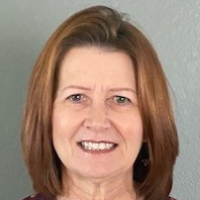
Debbie McCown-Perkins is a Licensed Clinical Social Worker (LCSW) licensed in Colorado with 14 years of clinical experience. She works with adults facing depression, anxiety, relationship and family concerns, trauma and abuse, ADHD, grief, and issues like guilt and shame. Sessions are presented in straightforward language and focus on practical steps rather than jargon.
Her background includes a BS in Psychology and a Master of Social Work from Walla Walla University. Over more than a decade she has supported people dealing with physical trauma, emotional abuse, mood disorders, and life transitions. She has also worked with those navigating parenting stresses, blended family dynamics, and caregiving burdens.
Debbie uses a mix of approaches to match what each person needs. She draws on cognitive behavioral techniques to spot unhelpful thinking, client-centered methods to follow the person’s concerns, and acceptance-based ideas to deal with painful feelings. She also uses elements of dialectical behavior therapy and EMDR when relevant to trauma work.
In sessions she keeps the conversation interactive and practical. People can expect to talk through current problems, learn skills for managing strong emotions, and try small behavioral experiments between meetings. The emphasis is on clear steps and steady progress rather than labels or long explanations.
Her work covers a wide range of concerns including addiction, eating issues, bipolar and other mood disorders, post-traumatic stress, and caregiver stress. She sees clients in Colorado and conducts sessions in English only.
How her approaches translate to online work
Debbie uses cognitive behavioral therapy (CBT) to help people identify and change unhelpful thought patterns and behaviors. CBT is often used for anxiety, depression, and many everyday struggles by breaking problems into manageable steps and practicing new skills.She also draws on Acceptance and Commitment Therapy (ACT), which focuses on noticing painful thoughts and feelings while choosing actions that align with personal values. ACT can help when guilt or shame keeps someone stuck and they want to act differently despite strong feelings.
Finding the right approach is a collaborative process. The therapist will talk with the client about goals, try methods that fit the problem, and adjust as needed based on what helps. Sessions are meant to be a shared effort to find practical ways forward.
The biography does not specify which session formats are offered, so confirm the current online options before booking. Online work can make it easier to fit sessions into a busy week, allow shorter check-ins when needed, and reduce travel time. Discussing preferred formats during the matching process helps align the schedule and session style with daily life.
Areas of expertise
Primary focus
Also works with
Additional focus areas
Therapeutic approaches
Experience
14+ years
Listed in
Colorado
Languages
English
Frequently asked questions
What kinds of problems does she help with?
She works with depression, anxiety, trauma and abuse, relationship and family problems, ADHD, addictions, grief, and related concerns such as guilt and shame.
How does she approach feelings of guilt or shame?
She uses a blend of cognitive behavioral strategies and acceptance-based methods to look at the thoughts and behaviors that keep guilt or shame active, and to practice different ways of responding.
What is her clinical background?
She holds a BS in Psychology and a Master of Social Work from Walla Walla University and has 14 years of experience working with trauma, mood disorders, and family issues.
What credentials and location are listed?
She is an LCSW and CSW licensed in Colorado and provides services from that state.
Does she offer sessions in other languages or for international clients?
Sessions are offered in English only and international clients are not currently accepted.
What session formats are used?
The original biography does not list specific session formats; please confirm current session options before booking.
How are fees handled?
Cost varies with location and sessions use a subscription model that can be canceled at any time.
How do I get started with a first appointment?
Select the See online therapy options button, complete the short matching questionnaire, and schedule your first session.
Online talk therapy is not emergency care. If you are in danger or thinking about harming yourself, use the crisis numbers.