
Marsha Oxamendi
LCSWFlorida · 14 yrs exp
LCSW - Stress and relationship concerns
Stress, Anxiety · Grief · Anger · Self esteem · +12 more
Read profileTherapist listings are provided by BetterHelp. We will earn a commission at no additional cost to you if you use our links to purchase.
Compare profiles of therapists who list Anger among their focus areas along with guilt and shame. Use listed location, approaches, credentials, languages, and stated experience to decide which profiles to read further. Browse the profiles below to learn more about individual practitioners.
Florida · 14 yrs exp
LCSW - Stress and relationship concerns
Stress, Anxiety · Grief · Anger · Self esteem · +12 more
Read profile
Illinois · 19 yrs exp
Dr. Steven Hurley - Psychologist, Anxiety and Trauma
Stress, Anxiety · LGBT · Relationship · Trauma and abuse · +9 more
Read profile
Minnesota · 14 yrs exp
LMFT - Relationships and trauma related concerns
Stress, Anxiety · Relationship · Family · Trauma and abuse · +8 more
Read profile
New York · 24 yrs exp
LCSW - Stress and relationship concerns
Stress, Anxiety · Relationship · Anger · Self esteem · +12 more
Read profile
Arizona · 6 yrs exp
Licensed counselor - anxiety and relationships
Stress, Anxiety · Relationship · Family · Self esteem · +11 more
Read profile
Texas · 22 yrs exp
Licensed Professional Counselor - Guilt and life changes
Stress, Anxiety · Grief · Career · Depression · +9 more
Read profile
Oregon · 32 yrs exp
Licensed Marriage and Family Therapist - Anxiety and Relationships
Stress, Anxiety · Relationship · Trauma and abuse · Grief · +9 more
Read profile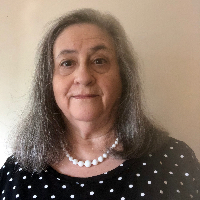
Mississippi · 23 yrs exp
LCSW in Mississippi - Guilt and shame, Life change
Stress, Anxiety · Grief · Anger · Self esteem · +8 more
Read profile
North Carolina · 13 yrs exp
Licensed Clinical Social Worker - Guilt and shame, Relationships
Stress, Anxiety · Relationship · Family · Self esteem · +13 more
Read profile
Washington · 12 yrs exp
Licensed Marriage and Family Therapist - relationships and family issues
Stress, Anxiety · Family · Anger · Self esteem · +6 more
Read profile
Florida · 10 yrs exp
LCSW - Anxiety and Addictions
Stress, Anxiety · Addictions · Family · Grief · +8 more
Read profile
Michigan · 35 yrs exp
LMSW counselor - Stress and relationships
Stress, Anxiety · Addictions · Trauma and abuse · Self esteem · +3 more
Read profile
North Carolina · 20 yrs exp
Licensed Professional Counselor - Stress and Relationships
Stress, Anxiety · Relationship · Family · Self esteem · +9 more
Read profile
Pennsylvania · 9 yrs exp
Licensed Professional Counselor - Guilt and shame, relationships
Stress, Anxiety · Grief · Parenting · Self esteem · +11 more
Read profile
Louisiana · 14 yrs exp
LCSW working with stress and trauma
Stress, Anxiety · Anger · Self esteem · Depression · +9 more
Read profile
Mississippi · 12 yrs exp
Licensed Clinical Social Worker - Guilt and shame, Addictions
Stress, Anxiety · Addictions · Anger · Self esteem · +12 more
Read profile
Florida · 20 yrs exp
Florida LMHC - Relationships and Anxiety
Stress, Anxiety · Relationship · Family · Self esteem · +9 more
Read profile
Virginia · 14 yrs exp
Licensed Professional Counselor - Trauma and mood concerns
Trauma and abuse · Grief · Coping with life changes · Compassion fatigue · +12 more
Read profile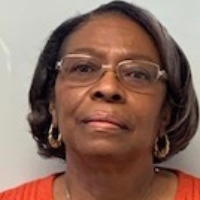
Alabama · 20 yrs exp
Licensed Professional Counselor - Anxiety and Grief
Stress, Anxiety · Relationship · Grief · Depression · +9 more
Read profile
North Carolina · 25 yrs exp
LCMHC - Stress and Trauma
Stress, Anxiety · Addictions · Family · Trauma and abuse · +11 more
Read profile
Michigan · 16 yrs exp
Licensed Professional Counselor - Guilt and shame, Addictions
Stress, Anxiety · Addictions · Relationship · Parenting · +8 more
Read profile
Louisiana · 20 yrs exp
Licensed LPC - Addictions and Trauma
Addictions · Trauma and abuse · Anger · Bipolar · +1 more
Read profile
Texas · 5 yrs exp
LCSW - Stress and relationship concerns
Stress, Anxiety · Relationship · Family · Trauma and abuse · +9 more
Read profile
Florida · 11 yrs exp
Florida LMHC - Guilt and relationship concerns
Stress, Anxiety · Relationship · Parenting · Self esteem · +11 more
Read profile
Texas · 26 yrs exp
Licensed counselor - Guilt and shame, relationships
Stress, Anxiety · Relationship · Trauma and abuse · Grief · +11 more
Read profile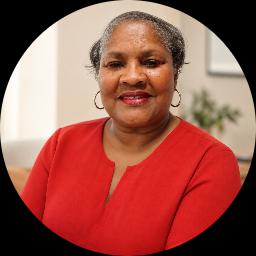
Oklahoma · 27 yrs exp
LPC in Oklahoma - Guilt and shame, trauma
Stress, Anxiety · Addictions · Parenting · Anger · +11 more
Read profile
Alabama · 17 yrs exp
Licensed Professional Counselor - Stress and Self-esteem
Stress, Anxiety · Addictions · Grief · Anger · +1 more
Read profile
Florida · 40 yrs exp
Florida LCSW - Addictions and Relationships
Addictions · Relationship · Grief · Depression · +13 more
Read profile
Pennsylvania · 15 yrs exp
Licensed Professional Counselor - Stress and Trauma
Stress, Anxiety · Relationship · Self esteem · Depression · +14 more
Read profile
Texas · 19 yrs exp
Licensed Professional Counselor - Stress and Relationships
Stress, Anxiety · Relationship · Family · Trauma and abuse · +12 more
Read profileAnger, guilt, and shame often show up together, but they are not the same feeling. Guilt is commonly about something you did or did not do - a sense that an action was wrong or caused harm. Shame is about who you feel you are - a belief that you are fundamentally flawed or unworthy. Anger can be a reaction to perceived injustice, to being hurt, or to the pain of carrying guilt or shame. When you live with these emotions they can blur into each other, leaving you unsure why you feel a certain way or how to talk about it without being judged.
As an adult carrying guilt or shame - whether from choices you made, things you did not do, family patterns, faith expectations, relationship wounds, or trauma - it can help to have a place to speak honestly and to sort through the feelings. Talking through what you feel does not promise forgiveness or closure, but it can help you see distinctions between behavior, self-evaluation, and reactive emotion. That clarity can make it easier to choose what to do next, to set boundaries, or to express needs in relationships with less automatic self-criticism or explosive anger.
This page groups profiles of practitioners who list Anger as a specialty or additional focus area; many of the profiles here also list guilt and shame among their additional focus areas. That listing is a signal that those therapists have identified these topics as areas they work with, but it is not evidence of specialist certification, a particular therapy method, diagnostic services, or guaranteed suitability for your needs. Profiles are a starting point to explore who might understand the mix of emotions you are carrying.
You might come to this topic because anger feels reactive and overwhelming, because guilt keeps you replaying past events, or because shame makes it hard to ask for help. In some cases anger is a defense that protects a vulnerable feeling such as shame. In other cases anger is a direct response to harm or injustice. You do not need a single explanation before you start a conversation. A therapist's profile can tell you whether they name these concerns, describe relevant experience, and list approaches you may want to explore further.
When you read profiles, think about concrete questions to bring up in an initial conversation or message. You might ask which populations the therapist mentions working with and whether they have experience addressing guilt or shame stemming from family roles, faith-related conflicts, or trauma. Ask how they describe their general approach and whether they integrate methods you are curious about. For example, you could say you have seen references in profiles to cognitive-behavioral strategies, mindfulness-based approaches, psychodynamic perspectives, somatic work, or that some therapists list EMDR among their approaches. Rather than assuming a specific training level, ask how an individual typically helps people work with anger that is linked to guilt or shame.
It is also appropriate to ask about practical boundaries of care. You can ask whether the therapist works with the kinds of issues you bring, whether they work with adults only, and how they describe their experience with related concerns such as trauma, faith issues, or family estrangement. Ask how they approach safety planning if intense shame or self-harm thoughts come up. These questions help you assess fit without relying on labels alone.
If you are considering remote sessions, there are specific topics worth clarifying so you feel prepared to engage. Ask what platform the therapist uses, how they protect your privacy and personal information, and what their policies are for managing emergencies across different locations. Discuss time-zone differences if the practitioner is in a different country or region, and ask how they handle technological interruptions so you know what to expect if a session drops. It is reasonable to ask about session length, cancellation or rescheduling policies, and the general structure of a typical meeting so you can plan your time.
Talk about how the therapist handles crises. If shame ever accompanies thoughts of self-harm, reach out immediately to emergency services or crisis lines in your area. In the United States call your local emergency number or use the 988 Lifeline, in the United Kingdom call emergency services or contact Samaritans, and in Australia call emergency services or Lifeline. If you are outside those countries, contact your local emergency number or crisis resources. Before starting work, ask the therapist how they would support you if intense distress arises between sessions and what responsibilities you both have in a crisis situation.
Profiles are shorthand for several useful comparisons. Start with listed focus areas to see who explicitly names Anger, guilt, or shame. Read the profile text for examples of the kinds of life events and relationships a therapist mentions, such as family dynamics, faith conflict, relationship endings, or trauma history. Look for language about what the practitioner notices in their work rather than definitive claims about outcomes.
Pay attention to credentials and how they are described. Academic degrees such as PhD, PsyD, MD, MA, or MSW indicate educational background but do not, by themselves, confirm legal permission to practice in a particular place. In the United States many practitioners list state licenses such as LCSW, LPC, LMFT, or similar credentials; in the United Kingdom you may see registration or membership with professional bodies; in Australia clinicians may list registration status or professional associations. Ask directly on a profile or in an introductory message how their degree and registration relate to the permission to practice where they list a location.
Consider language and cultural fit. If you prefer to speak in a particular language, look for profiles that list that language. If your shame or guilt is tied to faith, culture, or family systems, look for practitioners who mention experience with those areas in their profile text. Style matters too - some profiles describe a practical, problem-focused approach while others describe an exploratory, relational stance. Decide which descriptions feel more inviting and then prepare a few questions that will help you test that impression when you contact a profile.
Ultimately, profiles help you narrow choices and frame conversations. Use them to identify several practitioners you want to learn more about, and bring the specific, concrete questions described above when you reach out. That process lets you move from reading labels to getting a sense of how a person might work with the particular mix of anger, guilt, and shame you carry.
Alabama
97 therapists
Alaska
19 therapists
Arizona
91 therapists
Arkansas
63 therapists
Australia
307 therapists
California
802 therapists
Colorado
180 therapists
Connecticut
69 therapists
Delaware
13 therapists
District of Columbia
20 therapists
Florida
661 therapists
Georgia
165 therapists
Hawaii
28 therapists
Idaho
48 therapists
Illinois
246 therapists
Indiana
118 therapists
Iowa
31 therapists
Kansas
50 therapists
Kentucky
126 therapists
Louisiana
124 therapists
Maine
19 therapists
Maryland
141 therapists
Massachusetts
81 therapists
Michigan
249 therapists
Minnesota
95 therapists
Mississippi
74 therapists
Missouri
149 therapists
Montana
45 therapists
Nebraska
41 therapists
Nevada
50 therapists
New Hampshire
12 therapists
New Jersey
158 therapists
New Mexico
34 therapists
New York
399 therapists
North Carolina
262 therapists
North Dakota
10 therapists
Ohio
168 therapists
Oklahoma
135 therapists
Oregon
56 therapists
Pennsylvania
251 therapists
Rhode Island
11 therapists
South Carolina
119 therapists
South Dakota
16 therapists
Tennessee
125 therapists
Texas
847 therapists
United Kingdom
1362 therapists
Utah
75 therapists
Vermont
19 therapists
Virginia
132 therapists
Washington
108 therapists
West Virginia
23 therapists
Wisconsin
109 therapists
Wyoming
20 therapists