
Alicia "Kelli" Hall
LCSWNorth Carolina · 13 yrs exp
Licensed Clinical Social Worker - Guilt and shame, Relationships
Stress, Anxiety · Relationship · Family · Self esteem · +13 more
Read profileTherapist listings are provided by BetterHelp. We will earn a commission at no additional cost to you if you use our links to purchase.
Use this North Carolina page to compare profiles of professionals who list guilt and shame among their focus areas. You can review focus areas, languages, credentials, and therapeutic approaches and then browse individual profiles to learn more.
Check each profile carefully and confirm that the professional is permitted to work where you live before reaching out.
North Carolina · 13 yrs exp
Licensed Clinical Social Worker - Guilt and shame, Relationships
Stress, Anxiety · Relationship · Family · Self esteem · +13 more
Read profile
North Carolina · 20 yrs exp
Licensed Professional Counselor - Stress and Relationships
Stress, Anxiety · Relationship · Family · Self esteem · +9 more
Read profile
North Carolina · 25 yrs exp
LCMHC - Stress and Trauma
Stress, Anxiety · Addictions · Family · Trauma and abuse · +11 more
Read profile
North Carolina · 30 yrs exp
LCMHC - Stress and Trauma
Stress, Anxiety · Addictions · LGBT · Trauma and abuse · +1 more
Read profile
North Carolina · 20 yrs exp
LCMHC LPC - Anxiety and Addictions
Stress, Anxiety · Addictions · LGBT · Relationship · +1 more
Read profile
North Carolina · 27 yrs exp
Licensed clinical counselor - Guilt and shame
Stress, Anxiety · Self esteem · Coping with life changes · Relationship · +7 more
Read profile
North Carolina · 10 yrs exp
LCSW in North Carolina - Stress and Trauma
Stress, Anxiety · Trauma and abuse · Self esteem · Depression · +1 more
Read profile
North Carolina · 20 yrs exp
Licensed counselor - Guilt and shame, addictions
Stress, Anxiety · Addictions · Anger · Depression · +7 more
Read profile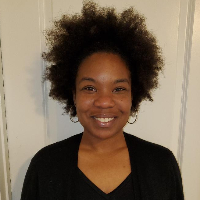
North Carolina · 15 yrs exp
LCSW - Guilt and shame, trauma-informed
LGBT · Relationship · Family · Parenting · +7 more
Read profile
North Carolina · 7 yrs exp
LMFT - Relationships and Family
Relationship · Family · Intimacy-related issues · Parenting · +7 more
Read profile
North Carolina · 24 yrs exp
Licensed Clinical Social Worker - Trauma and relationships
Stress, Anxiety · Relationship · Family · Trauma and abuse · +14 more
Read profile
North Carolina · 5 yrs exp
LCMHC - Relationships and trauma-focused care
Relationship · Grief · Eating · Anger · +12 more
Read profile
North Carolina · 13 yrs exp
LCMHC - Anxiety and Depression
Stress, Anxiety · Family · Trauma and abuse · Self esteem · +9 more
Read profile
North Carolina · 15 yrs exp
Licensed counselor - Guilt and shame, Addictions
Addictions · Grief · Self esteem · Career · +8 more
Read profile
North Carolina · 6 yrs exp
Licensed counselor - Trauma and mood concerns
Stress, Anxiety · Trauma and abuse · Self esteem · Depression · +8 more
Read profile
North Carolina · 14 yrs exp
LCSW - Stress and relationship concerns
Stress, Anxiety · Addictions · Relationship · Self esteem · +7 more
Read profile
North Carolina · 43 yrs exp
LCMHC - Trauma and anxiety focused
Stress, Anxiety · Trauma and abuse · Grief · Self esteem · +4 more
Read profile
North Carolina · 4 yrs exp
LCSW - Anxiety and life transitions
Stress, Anxiety · Relationship · Self esteem · Depression · +1 more
Read profile
North Carolina · 9 yrs exp
LCSW - Mood and relationship concerns
Stress, Anxiety · Relationship · Anger · Self esteem · +5 more
Read profile
North Carolina · 26 yrs exp
LCMHC - Stress and relationship concerns
Stress, Anxiety · Parenting · Anger · Self esteem · +1 more
Read profile
North Carolina · 10 yrs exp
Licensed Clinical Social Worker - Guilt and shame, Anxiety
Stress, Anxiety · Addictions · Relationship · Depression · +6 more
Read profile
North Carolina · 35 yrs exp
LCSW - Stress and relationship concerns
Stress, Anxiety · Relationship · Trauma and abuse · Self esteem · +7 more
Read profile
North Carolina · 3 yrs exp
LCSW - Stress and relationship concerns
Stress, Anxiety · Relationship · Self esteem · Depression · +1 more
Read profile
North Carolina · 4 yrs exp
LCSW - Anxiety and relationship support
Stress, Anxiety · Relationship · Trauma and abuse · Self esteem · +1 more
Read profile
North Carolina · 16 yrs exp
LCMHC - Addictions and life changes
Addictions · Trauma and abuse · Self esteem · Coping with life changes · +1 more
Read profile
North Carolina · 36 yrs exp
LCSW - Stress and addiction concerns
Stress, Anxiety · Addictions · Relationship · Trauma and abuse · +1 more
Read profile
North Carolina · 8 yrs exp
LCSW - Addictions and trauma
Addictions · Family · Trauma and abuse · Self esteem · +1 more
Read profile
North Carolina · 20 yrs exp
LCMHC in North Carolina - Family and Trauma
Family · Trauma and abuse · Parenting · Depression · +1 more
Read profile
North Carolina · 5 yrs exp
Licensed counselor - stress and relationships
Stress, Anxiety · Relationship · Family · Grief · +1 more
Read profile
North Carolina · 5 yrs exp
Licensed LCMHC - Anxiety and Addictions
Stress, Anxiety · Addictions · LGBT · Grief · +1 more
Read profileWhen you are dealing with painful feelings it helps to name them. Guilt usually refers to discomfort about something you did or did not do. It often points to a specific action and may motivate repair or practical change. Shame tends to be a painful sense about who you are - a feeling that you are fundamentally flawed or unworthy. Those feelings can overlap and feed each other, so you might feel guilty about an action and ashamed of yourself at the same time.
As you read profiles for North Carolina, think about which experience matches what you feel most days. Are you carrying regret about a decision, or do you more often feel diminished and exposed, fearing judgment about your whole self? You can search profiles to find professionals who list both guilt and shame, or who highlight related areas such as trauma, family relationships, faith-related conflict, or identity work. When you contact someone, a clear opening line about whether you want help understanding what you feel, learning to respond differently to those feelings, or addressing past events will help you and the professional decide whether to explore together.
If shame is present with thoughts of harming yourself, call your local emergency services or a crisis line immediately. If you are in the United States you can dial 988 for the Suicide and Crisis Lifeline. If you are in the United Kingdom or Australia, follow your national crisis guidance and call local emergency numbers for urgent help.
The directory groups profiles under the listed location North Carolina, but that grouping is not proof of an office address, physical proximity, or ongoing permission to practice there. Profiles may describe where a professional works or where they indicate a location; you should check the individual profile and confirm that the person can work with you where you live before making plans to meet or start sessions. Different countries and states have different rules about who may provide care across a border or state line.
Credentials and academic degrees appear on many profiles. Degrees such as PhD, PsyD, MD, MA, and MSW describe academic achievement and training paths. A degree alone does not establish current permission to practice. In the United States, professionals often hold a state license that authorizes clinical practice within that state. In the United Kingdom and Australia, professionals commonly list registration with a regulatory body or membership in a professional organization. When a profile lists a degree, a license, or a registration, note the distinction and confirm the current status directly with the person or their office.
Profiles may also list professional roles or titles. If it matters to you, ask the person what their credential or registration means in practical terms - for example whether they are permitted to provide care to adults in North Carolina, to work with your legal jurisdiction if you live elsewhere, or to offer clinical consultation in particular areas.
When you review profiles, look for language that describes how a professional approaches guilt and shame. Some profiles list specific therapies or ways of working; remember that a profile listing an approach is not evidence of certification or a guarantee that every approach will be used in your work together. Use profiles to generate concrete questions such as - How do you typically understand the difference between guilt and shame in your work? Can you describe examples of how you help someone who feels unworthy or consumed by regret? What kinds of experience do you have with issues connected to family dynamics, faith-based concerns, relationship endings, or trauma?
Ask about practical aspects of their approach as well. You might want to know whether the professional emphasizes exploring the past, focusing on present-day coping skills, or combining reflective work with behavioral experiments. You can also ask how they measure progress or how they help people apply insights outside of sessions. If a profile mentions a therapeutic method you want to discuss - for example therapists who list EMDR among their approaches - ask how they decide whether it is a fit for a particular person and what a typical exploration looks like.
Concrete questions can reduce ambiguity. For example, ask whether they have experience supporting adults who are dealing with shame tied to cultural expectations, religious upbringing, or long-term relationship patterns. Ask how they tend to respond when someone is overwhelmed by self-blame, and what supports they suggest between appointments. These specifics will help you compare profiles and choose who to contact to explore further.
If you are considering online care, check the profile for any statements about remote work and then confirm details directly. Ask whether the professional is permitted to practice with residents of North Carolina or with people in your country if you live outside the United States. Different jurisdictions have different rules about cross-border care, and permission to work with someone usually depends on where you are located at the time of the session.
You should also discuss how they handle emergencies or crises that occur during remote sessions. Ask whether they have a plan for connecting you to local emergency services if needed, and what steps they recommend if you become acutely distressed between sessions. Clarify practical matters such as the technologies they use, how they handle time zone differences, and what to do if a connection drops in the middle of a meeting. These conversations help you feel more prepared and allow the professional to describe how they support safety and continuity of care.
Before starting, discuss what you hope to address and whether the person has experience with similar concerns. Ask how they set boundaries and what they expect from you in terms of session preparation and follow-through. A clear conversation about these topics before you begin will give you a better sense of whether it will be useful to move forward together.
Profiles are tools for comparison. Start by scanning focus areas to see which ones mention guilt, shame, or related themes like trauma, relationship patterns, or faith-related conflict. Note specific language skills if you prefer to work in a language other than English. A profile that lists Spanish, for example, can indicate a practical option for someone seeking care in that language. Compare academic credentials separately from professional permission to practice - degrees tell you about education, while licenses, registrations, or memberships tell you about professional standing in a jurisdiction.
Pay attention to wording about therapeutic style and approach. Some profiles emphasize reflective, exploratory work while others highlight skills-based strategies or a combination of both. When a profile lists particular modalities, use that as a prompt to ask how those approaches are integrated rather than assuming they are always used. Consider what feels most likely to help you engage - do you prefer someone who asks direct questions, someone who works at a slower pace, or someone who gives tangible exercises to try between sessions? Profiles can suggest style, but a short initial conversation will make it clearer.
Finally, when you contact a professional, bring a few concrete comparison questions. Ask whether they have experience with the particular context of your concern, how they describe progress, and whether they can work with you within the rules of your location. Checking profiles and then confirming details directly helps you make an informed choice about who to approach for conversations about guilt and shame in North Carolina.
Addictions
2501 therapists
ADHD
1781 therapists
Anger
1629 therapists
Autism
1155 therapists
Chronic Illness
2025 therapists
Control Issues
4089 therapists
Depression
6689 therapists
Grief
4165 therapists
Intimacy Issues
1910 therapists
Isolation / Loneliness
6411 therapists
Midlife Crisis
3370 therapists
Mood Disorders
4198 therapists
Panic Disorder and Panic Attacks
4014 therapists
Post-Traumatic Stress
5114 therapists
Self Esteem
6281 therapists
Sleeping Disorders
878 therapists
Social Anxiety and Phobia
5556 therapists
Stress & Anxiety
7904 therapists
Trauma and Abuse
5374 therapists
Abandonment
4095 therapists
Aging and Geriatric Issues
1885 therapists
Attachment Issues
4633 therapists
Blended Family Issues
2354 therapists
Body Image
3026 therapists
Career
2289 therapists
Caregiver Issues and Stress
4133 therapists
Codependency
3036 therapists
Commitment Issues
2455 therapists
Compassion Fatigue
2086 therapists
Coping with Life Changes
5333 therapists
Divorce
4412 therapists
Family
3632 therapists
Family of Origin Issues
2492 therapists
Fatherhood Issues
1491 therapists
Forgiveness
6169 therapists
Infidelity
2286 therapists
Jealousy
2193 therapists
Life Purpose
6724 therapists
Money and Financial Issues
2139 therapists
Parenting
2553 therapists
Relationship
5481 therapists
Self-Love
6809 therapists
Workplace Issues
4382 therapists