- Recovery oriented
- Trauma informed
- Practical goals
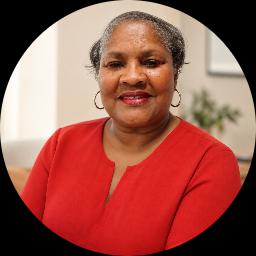
About Beverly
Beverly Nicholas is a Licensed Professional Counselor (LPC) in Oklahoma with 27 years of clinical experience. She works with people dealing with stress, anxiety, addictions, parenting strain, anger, self-esteem issues, relationship and family concerns, trauma and abuse, mood conditions, and guilt and shame.
Her practice emphasizes recovery-oriented and trauma-informed care. She aims to understand what someone has been carrying and what feels heaviest right now. In the first session she asks what brought the person in and what changes they most want to see.
Beverly uses practical, evidence-based approaches and adapts them to each person’s situation. She listens for the problems that get in the way of daily life and helps set clear, achievable goals. Sessions focus on small steps that can make routines more manageable and relieve constant pressure.
She pays attention to cultural context and life roles, including supporting women who are parenting, while working with people from many backgrounds. Beverly describes her style as respectful and nonjudgmental, aimed at sorting priorities so work in therapy feels productive rather than overwhelming.
Early work often covers what healing or progress would look like and which problems to address first. From there she and the client build an approach that fits the client’s pace and needs, with an emphasis on practical change and reconnecting people with their own strengths.
How therapeutic methods translate to online work
Client-Centered Therapy focuses on listening and helping the client set the pace. It emphasizes understanding the client’s perspective and building the work from what matters most. Cognitive Behavioral Therapy (CBT) looks at how thoughts, feelings, and actions interact and uses practical exercises to change patterns that worsen mood or anxiety and to manage symptoms related to stress, addiction, or guilt.Finding the right approach is part of therapy. Beverly will discuss options with the client and decide together which methods to try, adjusting over time based on needs, goals, and preference. That collaborative process helps narrow focus to what produces steady, manageable change.
The biography does not list specific session formats, so confirm the available online options before booking. In general, online work can make it easier to fit sessions into daily life, allow shorter check-ins when schedules are tight, and remove travel time. These practical benefits can help people keep momentum between sessions and try therapeutic techniques in the settings where problems actually occur.
Areas of expertise
Primary focus
Also works with
Additional focus areas
Therapeutic approaches
Experience
27+ years
Listed in
Oklahoma
Languages
English
Frequently asked questions
Which concerns does she focus on?
She works with stress, anxiety, addiction, parenting strain, anger, self-esteem, relationship and family issues, trauma and abuse, mood conditions, and guilt and shame among other concerns.
How would she approach guilt or shame?
Her approach is recovery-oriented and trauma-informed, focusing on understanding what someone has been carrying and identifying practical steps to relieve the heaviest burdens.
What is her clinical background?
She has 27 years of experience working with mental health and substance use concerns and co-occurring challenges in diverse populations.
What are her credentials and location?
She is a Licensed Professional Counselor (LPC) practicing in Oklahoma.
Does she work in other languages or with international clients?
Sessions are offered in English and she accepts international clients.
What session formats are available?
The original biography does not specify session formats; confirm current session options before booking.
How are sessions priced?
Cost varies with location and sessions use a subscription that can be canceled at any time.
How do I begin working with her?
Click the See online therapy options button, complete the short matching questionnaire, and schedule a first session.
Online talk therapy is not emergency care. If you are in danger or thinking about harming yourself, use the crisis numbers.