- CBT and DBT methods
- Mindfulness and ACT
- Body-mind focus
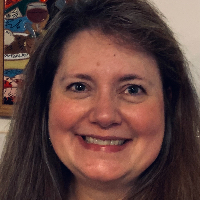
About Sharron
Sharron Lewis is a Licensed Clinical Social Worker (LCSW) in Louisiana with 24 years of experience. She works with stress, anxiety, addictions, depression, trauma and abuse, grief, relationship and family concerns, and issues around intimacy, sleeping, parenting, anger, self-esteem, and coping with life changes. She also lists an additional focus on guilt and shame and related topics such as abandonment and forgiveness.
Sharron trained with a Master of Social Work from the University of Washington in 2001 and began her clinical career in inpatient psychiatry at the Veterans Administration Hospital in Seattle. She returned to Louisiana in 2003 and has since worked in child welfare, community mental health, and private hospital settings. For the past 13 years she served as Clinical Director of an intensive outpatient program, providing both group and individual psychotherapy.
Her approach pulls from Cognitive Behavioral Therapy (CBT), Dialectical Behavior Therapy (DBT), and Acceptance and Commitment Therapy (ACT), alongside mindfulness and self-compassion practices. Sessions often include attention to body-mind awareness and skills that link physical experience to emotional regulation. She emphasizes clarifying goals and creating a plan you can use between sessions.
In practical terms Sharron aims to help people notice patterns, try different coping strategies, and practice skills that reduce distress. She uses both group and individual formats in her background, with experience supporting people through substantial life changes and complex emotional concerns.
Sharron works in Louisiana and offers services in English. If guilt or shame feel overwhelming, she can help you sort what matters now and what to try next.
How her therapeutic approaches fit with online work
Acceptance and Commitment Therapy (ACT) emphasizes noticing difficult thoughts and values-based action. In practice this means learning small skills to act in ways that matter despite painful feelings, which can help with guilt, shame, and life transitions.Attachment-Based Therapy looks at how early relationships shape current patterns. It focuses on understanding connection and trust, and can help with abandonment, attachment issues, and relationship worries.
Cognitive Behavioral Therapy (CBT) focuses on changing unhelpful thoughts and behaviors. It offers concrete exercises and experiments you can use between sessions to reduce anxiety, low mood, or impulsive responses.
Choosing the best approach is a collaborative process. The therapist will talk with the client about goals, preferences, and what has or hasn’t helped before. Together they decide which methods to try and adjust the plan as therapy progresses.
Session options are not specified in the biography, so confirm current session formats before booking. Online work can make it easier to fit sessions into a busy week, shorten some check-ins, or allow for different pacing of therapy homework. Many people find remote sessions helpful for maintaining consistency when life gets crowded, while still working on the same ACT, attachment, or CBT skills they would in person.
Areas of expertise
Primary focus
Also works with
Additional focus areas
Therapeutic approaches
Experience
24+ years
Listed in
Louisiana
Languages
English
Frequently asked questions
What kinds of concerns does she work with?
She works with stress, anxiety, addictions, depression, trauma and abuse, grief, relationship and family concerns, parenting, anger, self-esteem, and coping with life changes. Guilt and shame are listed among her additional focus areas.
How would she approach shame or guilt?
She uses approaches like Cognitive Behavioral Therapy, Dialectical Behavior Therapy, Acceptance and Commitment Therapy, mindfulness, and self-compassion practices to help people notice patterns and try new ways of responding to painful feelings.
What is her background and experience?
She has 24 years of clinical experience and a Master of Social Work from the University of Washington. She worked in inpatient psychiatry and later in child welfare, community mental health, and hospital settings, and spent 13 years as Clinical Director of an intensive outpatient program.
Where is she licensed and based?
She is a Licensed Clinical Social Worker (LCSW) in the state of Louisiana and practices there.
Which languages are supported?
Sessions are offered in English.
Can people outside the United States work with her?
International clients are not currently accepted.
How does payment and cost work?
Cost varies with location and sessions use a subscription that can be canceled at any time.
How do I begin working with her?
Select the See online therapy options button, complete a short matching questionnaire, and schedule a first session.
Online talk therapy is not emergency care. If you are in danger or thinking about harming yourself, use the crisis numbers.