- Guilt and shame focus
- Attachment work
- CBT and ACT methods
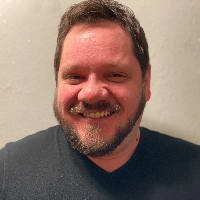
About Brandon
Brandon Bunker is a Licensed Clinical Mental Health Counselor (LCMHC) and a Licensed Professional Counselor (LPC) practicing in Utah with 11 years of experience. He works with adults dealing with stress, anxiety, depression, trauma and abuse, relationship struggles, and concerns tied to sexual identity and intimacy. He also lists work with addictions, family and parenting concerns, and issues around self-esteem and life changes.
Brandon uses straightforward, person-focused work. Sessions concentrate on clear goals, improved communication, and practical coping skills. He leans on approaches that help people notice what matters, change unhelpful patterns, and repair important relationships.
His methods include Acceptance and Commitment Therapy, Attachment-Based Therapy, Client-Centered Therapy, Cognitive Behavioral Therapy, and Emotionally-Focused Therapy. That mix is used to address things like abandonment, attachment wounds, codependency, commitment questions, and recovery from substance use. He also notes experience with kink and alternative sex culture topics and fatherhood or parenting stress.
Brandon aims to help people who feel stuck by offering steady, direct work on patterns that keep them isolated or ashamed. He often focuses on communication, boundary setting, and repairing trust in relationships. Sessions involve talking through situations, learning different ways to respond, and practicing small changes between meetings.
For someone carrying guilt or shame about relationships, identity, or past actions, he frames therapy as a practical place to sort feelings and try new ways of relating. To begin, the usual first step is a short matching questionnaire and scheduling a first session through the online options button.
How his approaches translate to online work
Acceptance and Commitment Therapy (ACT) helps people notice painful thoughts and choose actions that align with their values. It can be useful for guilt, chronic worry, and decisions about relationships. Cognitive Behavioral Therapy (CBT) looks at how thoughts and behaviors keep problems going and teaches practical skills to change those patterns. It often helps with anxiety, depression, and unhelpful self-beliefs. Attachment-Based Therapy focuses on relationship patterns learned early in life and works on improving connection and trust in current relationships.Choosing the right approach is part of the work. He will collaborate with clients to try methods that match their goals and preferences. That might mean blending ACT with attachment work for shame tied to relationships, or using CBT skills alongside emotionally-focused techniques for intimacy concerns.
The original profile did not list specific online session formats, so confirm current session options before booking. Many people find online sessions fit into their schedules more easily and can reduce time spent traveling. Online meetings can make it simpler to check in during a break at work, have shorter follow-ups, or avoid being on camera if that helps focus on the conversation. Licensed professionals can adapt ACT, CBT, and attachment work to the online setting so that therapy can fit into everyday life while addressing guilt, shame, and relationship patterns.
Areas of expertise
Primary focus
Also works with
Additional focus areas
Therapeutic approaches
Experience
11+ years
Listed in
Utah, Virginia
Languages
English
Frequently asked questions
What kinds of concerns does he help with?
He works with stress, anxiety, depression, trauma, relationship and intimacy issues, LGBT-related concerns, addictions, parenting and family problems, and related areas such as abandonment and attachment issues.
How does he approach feelings of guilt or shame?
He uses therapies like ACT, CBT, attachment and emotionally-focused work to help people notice their patterns, practice different responses, and work on communication and self-directed change.
How much clinical experience does he have?
He has 11 years of practice working with adults on mental health, relationship, and identity concerns.
What are his credentials and where does he practice?
He holds LCMHC and LPC credentials and practices in Utah.
Can I work with him if I live outside the United States?
Sessions are offered in English and he is not currently accepting international clients.
What session formats are offered?
The original profile did not list specific session formats; please confirm current session options before booking.
How are costs handled?
Cost varies with location and sessions use a subscription that can be canceled at any time.
What should I do to start working with him?
Use the See online therapy options button, complete a short matching questionnaire, and schedule a first session.
Online talk therapy is not emergency care. If you are in danger or thinking about harming yourself, use the crisis numbers.