- Values clarification
- Skills for emotion
- Attachment focus
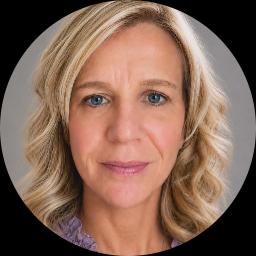
About Stacey
Stacey Tweedt is an LPCC - Licensed Professional Clinical Counselor in Minnesota with 17 years of experience. She focuses on stress, anxiety, addictions, relationships, trauma and abuse, grief, intimacy-related issues, eating and self-esteem concerns among other struggles. Stacey frames difficult feelings like guilt and shame as patterns that repeat until they are addressed, and she encourages people to notice how those patterns show up in behavior and relationships.
Her background includes work across addiction services, corrections, social work and mental health recovery. That experience shaped a practice that combines skills-based work with attention to attachment and emotion. Stacey uses Acceptance and Commitment Therapy, Cognitive Behavioral Therapy and Dialectical Behavior Therapy alongside attachment-informed approaches to help people notice patterns and learn new ways of responding.
Sessions tend to focus on clarifying values, building practical skills, and increasing emotional awareness. She draws on client-centered ideas so conversations stay grounded in what matters to the person. At times she brings direct feedback and a dry sense of humor to keep work honest and focused.
People come to her for help with addiction recovery, relationship problems, parenting stress, body image and eating concerns, and trouble coping with life changes like divorce or separation. She also lists work with abandonment and attachment issues, codependency, and family-of-origin problems.
Her approach pairs insight with concrete tools - learning new skills, practicing them, and tracking how things change. Readers should confirm current session options before booking and follow the site steps to schedule an initial meeting.
How her clinical approaches translate to online work
Acceptance and Commitment Therapy (ACT) helps people notice what matters and commit to actions that align with those values. It is often used for anxiety, depression, and getting unstuck from avoidance. Cognitive Behavioral Therapy (CBT) focuses on identifying unhelpful thoughts and testing them with experiments and practical tools. It is useful for anxiety, mood problems, and symptom management. Attachment-Based Therapy looks at patterns in relationships and early bonds to understand how people react now, which can help with intimacy, abandonment, and long-standing relationship patterns.Finding the right mix of approaches is part of the work. Stacey will help clients and therapists pick methods that match goals, current struggles, and personal preferences. That means trying tools, noticing what changes, and adjusting the plan together rather than committing to a single method up front.
Session formats are not listed in the biography, so confirm the current online session options before booking. Online sessions can make it easier to fit therapy into a busy week, shorten travel time, and allow for different pacing such as shorter check-ins or longer weekday evenings. They also let people practice skills in real-life settings and bring that experience back into sessions for discussion.
Areas of expertise
Primary focus
Also works with
Additional focus areas
Therapeutic approaches
Experience
17+ years
Listed in
Minnesota
Languages
English
Frequently asked questions
What kinds of concerns does she address?
She works with stress, anxiety, addictions, relationship and intimacy issues, trauma and abuse, grief, eating and body image concerns, self-esteem, and related problems such as codependency and family of origin issues.
How would she approach feelings of guilt or shame?
She frames guilt and shame as repeating patterns to be noticed and addressed, using skills and values clarification to change how those patterns affect behavior and relationships.
What experience does she bring to this work?
She has 17 years of experience working in addiction services, corrections, social work and mental health recovery, which informs a practical, skills-based approach.
What are her credentials and where is she based?
She is an LPCC - Licensed Professional Clinical Counselor in Minnesota.
Does she work in languages other than English or with international clients?
Sessions are offered in English and she does not accept international clients.
What session formats does she offer?
Session formats are not specified here; please confirm current session options before booking.
How are fees handled?
Cost varies with location and sessions use a subscription that can be canceled at any time.
How do I start a first session?
Use the See online therapy options button, complete the short matching questionnaire, and schedule a first session.
Online talk therapy is not emergency care. If you are in danger or thinking about harming yourself, use the crisis numbers.