- Cognitive Behavioral Therapy
- Stress and anxiety
- Relationship and family
About Shelley
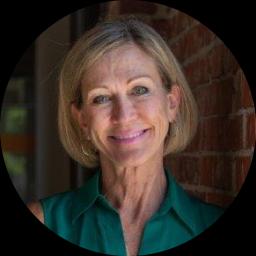
Shelley Duncan is a Licensed Clinical Practitioner (LCP) in Kansas with 15 years of professional experience. She works with adults facing stress, anxiety, relationship and family concerns, career difficulties, grief, trauma and abuse, and issues with self-esteem and depression. Shelley lists guilt and shame among the areas she focuses on, along with intimacy-related struggles and sleep or anger problems.
She uses straightforward conversation and a problem-solving style. Sessions look at patterns of thought and behavior that keep people stuck. Shelley often draws on Cognitive Behavioral Therapy to help identify unhelpful thinking and test new ways of responding.
Shelley also supports people dealing with life transitions, caregiving stress, adoption and foster care questions, and family of origin concerns. She attends to communication problems, commitment and control issues, codependency, and the effects of domestic violence on daily life.
Her approach aims to make practical changes that fit into everyday routines. That might mean short exercises to try between sessions or new habits to test at work and home. Shelley adjusts how she talks and plans work based on each person’s situation and goals.
People working with feelings of shame or guilt can expect direct but respectful conversations about what led to those feelings. Shelley helps people name specific thoughts and behaviors, weigh alternatives, and practice different responses over time.
How Shelley uses CBT and practical approaches in online sessions
CBT, or Cognitive Behavioral Therapy, helps people notice the thoughts and habits that maintain stress or depression. It uses simple exercises to test whether a thought is accurate and to try different behaviors that change outcomes. This approach is often useful for anxiety, sleep problems, anger, and low self-esteem.Shelley’s style is goal-oriented and conversational. She works with clients to pick a few priorities and then tests small changes between sessions. Deciding what methods to use is collaborative; she helps people match techniques to their needs and preferences rather than imposing a single plan.
The biography does not list specific online session formats, so confirm the available options before booking. Online work can make it easier to fit sessions into a busy week, reduce time spent traveling, and allow shorter check-ins when schedules are tight. It can also make it possible to practice new skills in real-life settings and then discuss how they went in the next session.
Areas of expertise
Primary focus
Also works with
Additional focus areas
Therapeutic approaches
Experience
15+ years
Listed in
Kansas
Languages
English
Frequently asked questions
What kinds of concerns does she work with?
Shelley works with stress, anxiety, depression, relationship and family concerns, grief, trauma and abuse, and issues like sleep problems, anger, and low self-esteem.
How would she describe her therapeutic style?
She uses direct conversation and practical strategies. Shelley often focuses on identifying unhelpful thoughts and testing new behaviors.
How much clinical experience does she have?
Shelley has 15 years of professional work experience in mental health settings.
What are her credentials and where does she practice?
She is an LCP, Licensed Clinical Practitioner, licensed in Kansas and practicing from that state.
Does she provide sessions in other languages or to international clients?
Sessions are offered in English. International clients are not currently accepted.
What session formats are offered?
Please confirm current session format options before booking, as the biography does not specify which formats are used.
How does her pricing work?
Cost varies with location and sessions use a subscription that can be canceled at any time.
How do I begin scheduling a session?
Start by selecting the See online therapy options button, complete the short matching questionnaire, and schedule a first session.
Online talk therapy is not emergency care. If you are in danger or thinking about harming yourself, use the crisis numbers.