- Trauma and abuse
- ACT and CBT methods
- Sleep and addiction support
About Roberta
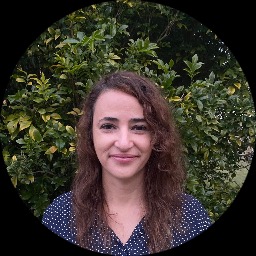
Roberta Gomes is a PACFA counsellor in Australia with three years of clinical experience. She works with adults carrying heavy guilt, shame and other painful feelings related to relationships, family and past events. Roberta commonly helps people managing anxiety, depression, trauma and grief, and supports those dealing with sleep problems, addictive behaviours and anger.
Her practice focuses on straightforward, person-focused conversations. Sessions look at what is happening now and what people want to change. She uses practical skills and reflective listening to help clients notice patterns, respond differently and rebuild day-to-day routines that feel manageable.
Roberta draws on several evidence-informed approaches. Acceptance and Commitment Therapy helps people notice difficult thoughts without getting stuck in them. Cognitive Behavioural Therapy offers tools for shifting unhelpful thinking and easing anxious responses. Mindfulness and Dialectical Behavior Therapy skills are used to calm intense emotion and improve emotional regulation.
She also works with more complex issues such as bipolar symptoms, attachment difficulties, dissociation and caregiving stress. For clients facing chronic pain or disability, sessions include pacing and coping strategies alongside emotional work. Roberta supports people addressing relationship conflict and blended family tensions by clarifying communication patterns and practical next steps.
Sessions are conducted in English and Portuguese. Costs vary with location and use a subscription that can be cancelled at any time. To begin, clients complete a short matching questionnaire and schedule a first session through the online booking flow.
How her approaches translate to online sessions
Roberta commonly uses Acceptance and Commitment Therapy and Cognitive Behavioural Therapy in her practice. ACT focuses on noticing difficult thoughts and choosing actions that align with a person’s values rather than getting stuck in self-judgement. CBT involves identifying unhelpful thoughts and testing them with practical exercises to reduce anxiety and depressive patterns.She also draws on Client-Centred methods to listen and reflect what matters most to each person. That makes deciding which approach to use a collaborative process. The therapist and client work together to try techniques and adapt them based on what helps most for the client’s goals and everyday life.
The original biography does not list which online session formats are used, so please confirm available formats before booking. Online work can make sessions easier to fit into a busy week, allow shorter check-ins when needed, or avoid camera use for people who prefer audio only. The focus is on practical ways to integrate skills into daily routines rather than on any single delivery style.
Areas of expertise
Primary focus
Also works with
Additional focus areas
Therapeutic approaches
Experience
3+ years
Listed in
Australia
Languages
English, Portuguese
Frequently asked questions
What concerns does she work with related to guilt and shame?
She works with guilt and shame alongside trauma, relationship issues, addiction, grief and depression. These themes are explored as they show up in daily life and relationships.
How would she approach feelings of shame from childhood?
Roberta uses a client-centred, collaborative approach that combines acceptance-based work and practical skills. Sessions often include noticing patterns from the past and practising new ways of responding in the present.
What is her clinical background and experience?
She has three years of professional experience working in Australia with a range of emotional and psychological concerns. Her work includes trauma recovery, mood conditions and substance use support.
What credential and location are listed?
She is listed as PACFA and is based in Australia.
Which languages are available for sessions?
Sessions are offered in English and Portuguese.
What session formats are offered?
The original biography does not specify session formats. Confirm current session options before booking to know which formats are available.
How are fees charged?
Costs vary with location and therapy uses a subscription model that can be cancelled at any time.
How do I start working with her?
Begin by selecting the See online therapy options button, completing a short matching questionnaire, and scheduling a first session.
Online talk therapy is not emergency care. If you are in danger or thinking about harming yourself, use the crisis numbers.