- Guilt and shame
- CBT and mindfulness
- Attachment focus
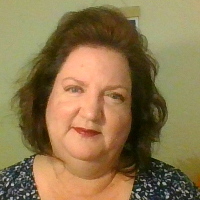
About Rachel
Rachel Black is a Florida licensed mental health counselor (LMHC) with 20 years of experience. She works with adults dealing with stress, anxiety, depression, relationship problems, grief, and issues such as guilt and shame.
Rachel focuses on clear, practical steps in sessions. She listens for patterns that keep people stuck and helps them try different ways of coping. Sessions often include skills practice, noticing thoughts and feelings, and setting simple goals to try between meetings.
Her approach draws on attachment ideas, cognitive behavioral techniques, and mindfulness. That means she pays attention to how early relationships influence current responses, looks at the links between thoughts and behavior, and uses present-moment awareness to reduce reactivity. She also uses client-centered methods to keep the work grounded in each person's priorities.
People come to her for many concerns beyond mood and anxiety. She has worked with issues such as addiction, trauma and abuse, intimacy-related problems, eating and sleeping difficulties, parenting stresses, career shifts, ADHD, and chronic illness. She also addresses family of origin issues, abandonment, control problems, codependency, and forgiveness work.
In sessions the tone is direct and practical. Rachel helps people name what they feel, test new behaviors, and notice the effects. Her work aims to give manageable tools and clearer choices when guilt, shame, or recurring patterns get in the way.
Rachel practices in Florida and sees clients in English. To begin, people use the site's matching steps and schedule a first session through the online booking flow.
How her approaches translate to online sessions
Rachel draws on attachment-based ideas and cognitive behavioral therapy in her work. Attachment-based work looks at how early relationship patterns shape current reactions and helps people practice different ways of relating. Cognitive behavioral therapy (CBT) focuses on recognizing thoughts that drive unhelpful behaviors and testing new ways of thinking and acting to change outcomes.She treats approach selection as collaborative. The therapist and client review goals, try methods, and adjust based on what feels useful. That means starting with practical steps and shifting if a different method fits better for the client’s needs and preferences.
The original biography does not list specific online session types, so confirm available formats before booking. Online sessions can make it easier to fit therapy into a busy day, allow shorter check-ins when time is limited, and remove travel time so people can use appointment time for focused work. Rachel aims to help clients build skills and apply them between sessions so therapy can fit into ordinary life.
Areas of expertise
Primary focus
Also works with
Additional focus areas
Therapeutic approaches
Experience
20+ years
Listed in
Florida
Languages
English
Frequently asked questions
What kinds of concerns does she address?
She works with stress, anxiety, depression, relationship issues, grief, addictions, ADHD, and concerns including guilt and shame.
How would she approach shame or guilt in sessions?
She uses practical steps like naming feelings, examining thoughts, and practicing different responses so people can test what helps.
How much clinical experience does she have?
She has 20 years of experience as a mental health counselor working with a wide range of concerns and life changes.
What credential does she hold and where does she practice?
She is a Florida LMHC and practices in Florida.
Can I work with her if I live outside the United States?
Sessions are offered in English and she does not accept international clients at this time.
What session formats are available?
The original profile does not specify session formats; please confirm current session options before booking.
How are sessions paid for and what do they cost?
Cost varies with location and sessions use a subscription that can be canceled at any time.
How do I start working with her?
Select the See online therapy options button, complete the short matching questionnaire, and schedule a first session.
Online talk therapy is not emergency care. If you are in danger or thinking about harming yourself, use the crisis numbers.