- Acceptance and Commitment Therapy
- Cognitive Behavioral Therapy
- Emotionally-Focused Therapy
About Moriah
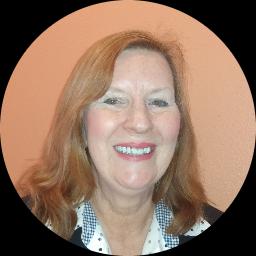
Moriah MacCleod is an LPCC licensed in New Mexico with 31 years of professional experience. She approaches therapy believing people know their own stories and already carry strengths they can use to address painful feelings. She offers steady support as someone considers changes and works through hard moments.
Moriah helps people facing stress, anxiety, trauma and abuse, and depression. She also works with life changes, ADHD, addictions, grief, career concerns, and self-esteem questions. Guilt and shame are listed among her focus areas and she will address those feelings alongside related relationship and family concerns.
Her work uses practical, discussion-based methods. She draws from Acceptance and Commitment Therapy, Cognitive Behavioral Therapy, and Client-Centered Therapy to help people notice patterns and try different responses. She also uses Emotionally-Focused Therapy and EMDR for trauma-related work when appropriate.
Sessions are conversational and goal-oriented. People can expect to talk through what matters now, look at unhelpful thoughts or behaviors, and practice steps to change daily routines or reactions. The therapist treats each person as an individual with real-life limits and responsibilities.
Moriah practices in New Mexico and conducts work in English. She asks prospective clients to use the site's process to select the See online therapy options button, fill a short matching questionnaire, and schedule a first session. The subscription model for sessions can be canceled at any time and cost varies with location.
How her approaches fit with online work
Acceptance and Commitment Therapy (ACT) helps people notice painful thoughts and feelings without letting those experiences dictate actions. It focuses on values and small, workable steps to live in line with what matters. Cognitive Behavioral Therapy (CBT) looks at unhelpful thinking and behavior patterns and teaches skills to shift them, which can help with anxiety, depression, and many everyday struggles. Emotionally-Focused Therapy (EFT) concentrates on how emotions shape relationships and communication, and can help people change interaction patterns that feed shame or conflict.Finding the right approach is part of the work. The therapist will talk with each person about goals, symptoms, and preferences, and then suggest which methods to try first. That decision is made together and can change over time based on what helps most.
The biography does not specify session formats, so confirm current options before booking. Online sessions can make it easier to fit therapy into a busy life by saving commute time and allowing appointments from different locations. They also let people pick shorter check-ins when needed or choose video work when talking face to face feels more helpful. Licensed professionals and therapists often use these practical options to help people keep therapy consistent with daily responsibilities.
Areas of expertise
Also works with
Additional focus areas
Therapeutic approaches
Experience
31+ years
Listed in
New Mexico
Languages
English
Frequently asked questions
What kinds of concerns does she work with?
She works with stress, anxiety, trauma and abuse, depression, life changes, ADHD, addictions, relationship and family concerns, grief, parenting, self-esteem, career issues, and compassion fatigue. Guilt and shame are included among her focus areas.
How would she describe her therapy style?
Her style is conversational and practical, using methods that help people notice patterns and try different responses. Sessions focus on goals, current problems, and real-life steps you can use between meetings.
How much experience does she have?
She has 31 years of professional work experience as a clinician. That experience includes working with trauma, mood concerns, and relationship issues.
What credential does she hold and where does she practice?
She is an LPCC licensed in New Mexico and practices in that state.
Does she provide sessions in other languages or to international clients?
Sessions are offered in English. She does not accept international clients at this time.
What session formats are offered?
The original biography does not list specific session formats. Please confirm the current session options before booking.
How are sessions paid for?
Cost varies with location and sessions use a subscription that can be canceled at any time.
What steps do I take to begin work with her?
Select the See online therapy options button, complete a short matching questionnaire, and schedule a first session through the site.
Online talk therapy is not emergency care. If you are in danger or thinking about harming yourself, use the crisis numbers.