- Trauma supportive therapy
- Acceptance and Commitment Therapy
- Client-centered approach
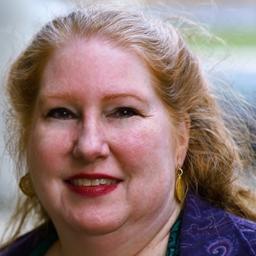
About Margaret
Margaret Johnston is a Florida LMHC with 11 years of clinical work. She listens closely to people who are carrying heavy feelings from past events or who are struggling with stress, anxiety, grief, depression, relationship and intimacy concerns, eating and body image struggles, attention differences, or bipolar mood issues.
She trained at the University of North Florida, earning a Master of Clinical Psychotherapy in 2013, and completed a nine-month internship in Clinical Pastoral Education focused on deep listening. Early work included supporting people in the Wounded Warrior Talk program where listening was central to the role.
Margaret uses Trauma Supportive Therapy to approach painful memories at a pace that feels manageable. She describes her role as a listening presence who reflects feelings, names unmet emotional needs, and helps people think through options and goals. Her work aims to reduce the ways past pain interrupts present life and functioning.
Her clinical style draws on Acceptance and Commitment Therapy, Cognitive Behavioral Therapy, Attachment-Based approaches, Emotionally-Focused Therapy, and person-centered practice. She emphasizes thinking about personal meaning, planning, and purpose rather than relying only on labels or diagnoses.
Margaret states she is culturally attentive and looks at race as central when it matters to the client. She also notes inclusivity for people in LGBTQA, polyamory, kink, non-gendered, and alternative sexual communities. She offers practical conversation about coping, boundaries, and next steps rather than abstract promises.
Therapeutic approaches and how online sessions work
Acceptance and Commitment Therapy (ACT) helps people notice unhelpful thoughts and choose actions that match their values. It can be useful for long-standing guilt, avoidance, and anxiety by widening what a person is willing to do despite difficult feelings. Cognitive Behavioral Therapy (CBT) focuses on identifying thoughts and behaviors that keep problems going and testing different ways of responding. It can help with worry, depressive thinking, and patterns that fuel shame or self-criticism.Finding the right approach is often part of the work. The therapist will collaborate with the client to see which methods fit their goals, preferences, and the specific struggles they describe. Sessions can include listening, reflection, skill practice, and planning so the client has clear next steps between meetings.
The profile does not list specific session formats, so confirm current options before booking. In general, online sessions can make it easier to fit therapy into daily life because they reduce travel time and can be scheduled around work or caregiving. They also allow brief check-ins when a shorter meeting is helpful or allow sessions without being on camera if that better suits the person. Licensed professionals can adapt these practical elements to help keep therapy manageable alongside everyday responsibilities.
Areas of expertise
Also works with
Additional focus areas
Therapeutic approaches
Experience
11+ years
Listed in
Florida
Languages
English
Frequently asked questions
What kinds of concerns does she address?
She works with stress, anxiety, grief, depression, trauma and abuse, relationship and intimacy issues, eating and body image concerns, bipolar and ADHD symptoms, and related struggles such as abandonment and forgiveness.
How would she approach feelings of guilt or shame?
She uses Trauma Supportive Therapy alongside ACT and client-centered methods to name unmet emotional needs, reflect feelings, and help people think through options and goals step by step.
What is her clinical background and experience?
She holds a Master of Clinical Psychotherapy (University of North Florida, 2013) and has 11 years of clinical experience plus a nine-month Clinical Pastoral Education internship focused on deep listening.
What credential and location are listed?
She is licensed as an LMHC in Florida and practices from that state.
Can people who live outside the United States work with her?
She accepts international clients and conducts sessions in English.
What formats are used for sessions?
The profile does not list specific session formats; confirm current session options before booking to be sure of the available formats.
How does pricing work?
Cost varies with location and sessions use a subscription model that can be canceled at any time.
How do I begin working with her?
Select the See online therapy options button, complete a short matching questionnaire, and schedule a first session.
Online talk therapy is not emergency care. If you are in danger or thinking about harming yourself, use the crisis numbers.