- CBT
- DBT skills
- Mindfulness
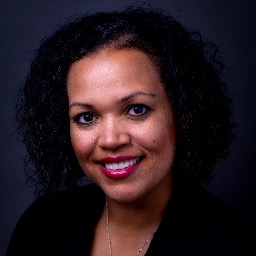
About Lynnetta
Lynnetta Hawkins is a California LMFT with 12 years of clinical experience. She works with people facing stress, anxiety, depression, bipolar disorder, addictions, relationship and intimacy concerns, and a wide range of other life challenges. She also lists support for issues such as eating concerns, parenting strain, trauma and abuse, and LGBT-related matters.
Hawkins uses practical, straightforward conversation to identify what's contributing to guilt and shame and what helps reduce their hold. She often combines client-centered listening with cognitive behavioral techniques to challenge unhelpful thoughts. Mindfulness and dialectical behavior methods are also part of her toolkit when learning new ways to manage intense feelings.
Her background includes work in county mental health settings beginning in 2013, assessing risk and contributing to psychiatric inpatient treatment teams. She currently manages an inpatient psychiatric unit and has provided private practice services both in person and online for the past 3.5 years. That mix of community and clinical work informs how she thinks about safety, crisis, and steady therapeutic progress.
In sessions she aims to clarify concrete steps people can try between meetings. Expect direct talk about patterns, practice of coping skills, and attention to relationship and sexual concerns when they are relevant. She also incorporates motivational interviewing when people want to make life changes but feel stuck.
People looking for help with feelings of shame tied to relationships, family history, or sexual identity may find her approach practical and focused on small, usable changes. She works in English and practices in California as an LMFT.
How her approaches translate to online work
Client-centered therapy focuses on listening and understanding the person's experience. It involves reflecting what matters to the client, prioritizing their goals, and building on their strengths. This approach helps when shame makes it hard to talk about difficult topics.Cognitive Behavioral Therapy (CBT) looks at the link between thoughts, feelings, and actions. In plain terms, CBT helps identify thought patterns that worsen guilt and tests new, more helpful ways of thinking. It is often used for anxiety, depression, and self-critical thinking.
Dialectical Behavior Therapy (DBT) skills offer concrete tools for emotion regulation and distress tolerance. These skills are useful when intense shame leads to impulsive behavior or self-blame, and they provide step-by-step practices to try between sessions.
Choosing the best approach is a collaborative process. The therapist will talk with each person about goals, what has helped before, and which methods feel manageable. That conversation guides whether to lean more on CBT, DBT skills, mindfulness, or client-centered listening.
The therapist's biography notes she has provided both in-person and online private practice services in recent years; please confirm current session formats before booking. Online work can make it easier to fit sessions into a busy life - shorter check-ins, fewer travel hours, and the ability to schedule around work or caregiving commitments. Discussing practical preferences at the start helps shape how therapy will fit everyday routines.
Areas of expertise
Primary focus
Also works with
Additional focus areas
Therapeutic approaches
Experience
12+ years
Listed in
California
Languages
English
Frequently asked questions
What kinds of problems does she address related to guilt or shame?
She lists work with relationship and intimacy issues, trauma and abuse, parenting stress, eating concerns, addiction, and mood disorders that commonly involve guilt and shame.
How does she typically approach feelings of shame in therapy?
She blends client-centered listening with cognitive behavioral techniques to look at thoughts that feed shame and practices skills to reduce their intensity.
What is her clinical background and experience?
She has 12 years of experience, has worked in county mental health since 2013, and currently manages an inpatient psychiatric unit while providing private practice services for several years.
What are her credentials and where does she practice?
She is a California LMFT and practices in California.
Can sessions be held in languages other than English?
Sessions are offered in English.
Does she take clients from other countries?
She does not accept international clients.
How are sessions arranged and what formats are available?
The original biography notes private practice work in person and online previously; confirm current session format options before booking.
How are fees handled and how do I begin?
Cost varies with location and sessions use a subscription that can be canceled at any time. To get started, select the See online therapy options button, complete the matching questionnaire, and schedule a first session.
Online talk therapy is not emergency care. If you are in danger or thinking about harming yourself, use the crisis numbers.