- Guilt and shame
- CBT strategies
- Solution-focused steps
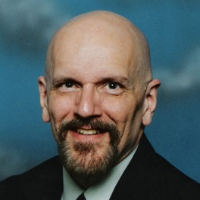
About Jack
Jack Richey is an LCSW - Licensed Clinical Social Worker practicing in Illinois with 20 years of experience. He works with people facing stress, anxiety, depression, grief, relationship and family concerns, and issues around guilt and shame. He also addresses self-esteem, parenting concerns, career stress, ADHD, and major life changes.
He uses a straightforward, person-centered way of talking through problems. Sessions focus on what is happening now and on concrete steps a person can try between meetings. Jack blends Client-Centered Therapy with cognitive-behavioral ideas and solution-focused work when those approaches fit the issue.
In practice he helps people name the patterns that keep them stuck. He will work on identifying upsetting thoughts, testing those thoughts against reality, and trying small changes that reduce pressure day to day. Conversations often look at communication skills, boundaries, and handling anger or shame in real situations.
He has experience across a wide range of concerns including trauma and abuse, intimacy-related issues, addiction of behavior patterns like impulsivity, and family of origin topics. Jack also supports people dealing with abandonment, blended family problems, caregiver stress, and forgiveness questions.
Sessions are meant to be practical and respectful. Jack encourages clients to set short-term goals and to notice small shifts between sessions. If you want to explore how guilt or shame is affecting choices, he will help you identify patterns and practical steps to test different ways of responding.
How Jack uses practical approaches in online sessions
Client-Centered Therapy focuses on listening and reflecting what matters to the person. It helps people feel understood and clarify what they want to change. Cognitive Behavioral Therapy (CBT) looks at the link between thoughts, feelings, and actions and teaches concrete skills to test and change unhelpful thinking. Solution-Focused Therapy concentrates on small, achievable steps and on what is already working for a person.Finding the right mix of these approaches is part of the work. The therapist collaborates with each client to decide which methods fit their goals, preferences, and current situation. That means trying an approach, checking how it feels, and adjusting as needed together.
Confirm the exact session formats before booking since the biography did not list them. Online work can still make it easier to fit sessions into a busy life - for example by removing travel time, allowing shorter check-ins, or making it simpler to schedule sessions around work or caregiving. Talk with the therapist about your schedule and needs so you can pick session rhythms that fit everyday life.
Areas of expertise
Primary focus
Also works with
Additional focus areas
Therapeutic approaches
Experience
20+ years
Listed in
Illinois
Languages
English
Frequently asked questions
What kinds of concerns does he help with?
He supports people with stress, anxiety, depression, grief, relationship and family issues, and problems linked to guilt and shame.
How does he approach therapy?
He uses a person-centered style combined with cognitive-behavioral and solution-focused techniques to identify unhelpful thoughts and try practical changes.
What is his clinical background?
He has 20 years of practice experience working in Illinois with a broad range of emotional and interpersonal concerns.
What credential does he hold and where is he based?
He is an LCSW (Licensed Clinical Social Worker) licensed in Illinois.
Can sessions be held in other languages or for international clients?
Sessions are offered in English and he is not accepting international clients.
What session formats are offered?
Please confirm current session options before booking since formats were not specified in the biography.
How are sessions paid for?
Cost varies with location; sessions use a subscription model that can be canceled at any time.
How do I begin working with him?
Select the See online therapy options button, complete the short matching questionnaire, and schedule a first session.
Online talk therapy is not emergency care. If you are in danger or thinking about harming yourself, use the crisis numbers.