- Person centred approach
- Attachment-informed work
- Support for LGBT
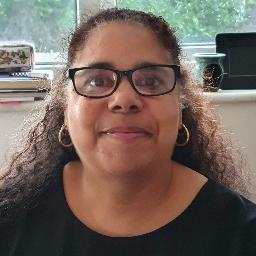
About Cecile
Cecile Terrelonge is a BACP counsellor in the United Kingdom with 18 years of experience. She offers person-centred counselling and works with adults, young people and children. Her practice includes both short-term and longer-term work, with 50-minute sessions usually held weekly at the same day and time.
Cecile focuses on issues such as stress, anxiety, grief, depression and relationship difficulties. She also supports people dealing with trauma and abuse, addiction, ADHD and concerns around identity and intimacy. She has worked with LGBTQ+ clients and has taken part in Gendered Intelligence training to expand her experience supporting gender diverse people.
Her style places the client at the centre of the work, with an emphasis on listening and helping people understand their feelings. Sessions aim to explore what an individual can do next rather than concentrating only on a diagnosis. Cecile also uses attachment-informed ideas to look at how close relationships affect current problems.
Over her career she set up and managed a voluntary youth counselling service for 11 to 25 year olds. She has provided support to the Black Trans Foundation and appears on a Gendered Intelligence therapist directory, continuing to develop work with gender diverse communities. Her background includes both one-to-one and community-focused roles.
Practical arrangements are straightforward: 50-minute sessions, typically weekly, and flexibility for shift-workers when needed. She offers online and telephone counselling as well as face-to-face options; clients should confirm the session formats they prefer when booking.
How her approaches translate to online work
Attachment-based work looks at how early and current relationships shape feelings and reactions. Online sessions can use this approach to help people notice patterns in relationships and practice different ways of connecting and responding.Person-centred therapy focuses on listening and placing the client at the centre. In an online session this means being able to talk through current worries, name emotions and consider practical steps forward with the counsellor listening without judgement.
Emotionally-Focused Therapy aims to identify and work with strong emotions in the moment, helping people understand the purpose of those feelings. That approach can be useful for relationship concerns, grief, loss and intimacy-related issues when explored in hour-long sessions.
Choosing the right approach is part of the work. Cecile will collaborate with the client to decide which methods fit best, looking at their goals, needs and preferences as the sessions progress.
Practical benefits of online counselling include fitting sessions around work and caring commitments and avoiding travel time. Online and telephone formats can make it easier to have a shorter check-in or sit quietly without needing camera use, and they can be scheduled at a regular weekly slot. Confirm the specific session formats offered before booking to make sure they suit your routine.
Areas of expertise
Primary focus
Also works with
Additional focus areas
Therapeutic approaches
Experience
18+ years
Listed in
United Kingdom
Languages
English
Frequently asked questions
What concerns does she work with?
Cecile works with stress, anxiety, depression, trauma and abuse, relationship and intimacy issues, addictions, grief, ADHD and related concerns including body image and attachment issues.
How would she describe her therapeutic style?
Her practice is person centred, placing the client at the centre and focusing on listening and understanding feelings. She also uses attachment-informed and emotionally focused ideas within sessions.
What is her professional background?
She has 18 years of counselling experience, ran a voluntary youth counselling service and has supported community groups including the Black Trans Foundation.
What credential and location are listed?
She is listed with the BACP and works in the United Kingdom.
Which languages does she use in sessions?
Sessions are offered in English.
Does she accept international clients?
She does not accept international clients at this time.
How are sessions arranged and what do they cost?
Sessions are 50 minutes and typically scheduled weekly. Cost varies with location and sessions use a subscription that can be cancelled at any time.
How do I get started with her practice?
Select the See online therapy options button, complete a short matching questionnaire and then schedule a first session.
Online talk therapy is not emergency care. If you are in danger or thinking about harming yourself, use the crisis numbers.