- Attachment approaches
- CBT techniques
- Emotion-focused work
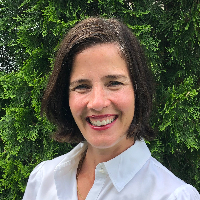
About Bridget
Bridget Stevens-Murphy is a Licensed Independent Clinical Social Worker (LICSW) in Minnesota with eight years of experience. She works with stress, anxiety, depression, grief, trauma and abuse, relationship and intimacy concerns, parenting questions, and self-esteem struggles. Bridget also lists compassion fatigue, family issues, and career or life-change coping among her focus areas.
She uses a person-centered stance that emphasizes the relationship between therapist and client. That means conversations aim to reflect back what matters most to the client. Bridget draws on attachment-based ideas to look at how early relationships shape current patterns. She also uses cognitive behavioral techniques to address unhelpful thinking and Emotionally-Focused Therapy to help people navigate closeness and conflict.
Her background includes work both in the United States and internationally, with a Master of Social Work focused on children and families. Bridget describes a strength-based, relational approach that respects the client as the expert on their life. She mentions experience with adoption and foster care issues, attachment concerns, blended family dynamics, and fertility-related stress.
In sessions she combines conversation and reflection to help people understand themselves and their relationships. Practical skills, mindset shifts, and attention to emotions are woven into the work. The aim is to help clients make clearer choices about relationships, parenting, and career or life transitions.
Bridget offers services in English and indicates she accepts international clients. Cost varies by location and sessions are provided through a subscription model that can be canceled at any time. To begin, prospective clients are asked to complete a short matching questionnaire and schedule an initial session.
How Bridget’s approaches translate to online work
Bridget uses Attachment-Based Therapy to explore how early relationships affect how people connect now. This approach can help when guilt or shame comes from family of origin wounds, abandonment, or attachment problems. She also uses Cognitive Behavioral Therapy to identify and shift unhelpful thoughts and behaviors that keep shame or guilt cycles going. CBT offers concrete tools for managing anxiety, depression, and self-critical thinking.Finding the right approach is part of the work. Bridget will collaborate with clients to decide which methods fit best for their goals, needs, and preferences. That means checking in about what feels useful, adjusting techniques, and combining conversational, emotional, and skills-based work as needed.
If you plan to meet online, confirm the current session options before you book since formats can change. The benefits of virtual sessions can include easier scheduling around work or parenting, shorter check-in conversations when needed, and the convenience of not traveling to an office. Therapists often adapt attachment and CBT techniques to remote sessions so clients can focus on relationship patterns, emotional processing, and practical skill-building without rearranging their day.
Areas of expertise
Primary focus
Also works with
Additional focus areas
Therapeutic approaches
Experience
8+ years
Listed in
Minnesota
Languages
English
Frequently asked questions
What kinds of concerns does she address?
She works with stress, anxiety, depression, grief, trauma and abuse, relationship and intimacy issues, parenting, self-esteem, compassion fatigue, and related family and life-change concerns.
How does she approach shame and guilt in sessions?
Bridget uses a person-centered and relational approach, combined with attachment and emotion-focused ideas, to talk through feelings of guilt or shame and how they affect relationships.
What is her professional background?
She holds a Master of Social Work with a focus on children and families and has worked both domestically and internationally over her career.
What credential does she hold and where is she based?
She is a Licensed Independent Clinical Social Worker (LICSW) licensed in Minnesota.
Does she offer services in other languages or to international clients?
Sessions are offered in English and she indicates she accepts international clients.
What session formats are available?
The original biography mentions messaging, live chat, and phone sessions; confirm current session options before booking to be sure they fit your needs.
How are fees handled?
Cost varies with location and sessions are provided through a subscription that can be canceled at any time.
How do I get started with her?
Select the See online therapy options button, complete a short matching questionnaire, and schedule a first session.
Online talk therapy is not emergency care. If you are in danger or thinking about harming yourself, use the crisis numbers.