- ACT methods
- CBT strategies
- Attachment work
About Tonya
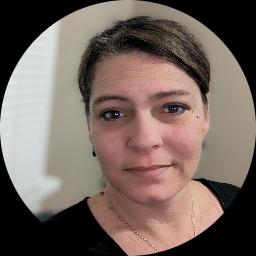
Tonya Boyd is a Licensed Clinical Mental Health Counselor (LCMHC) in Utah and a Licensed Clinical Professional Counselor (LCPC) in Idaho with five years of clinical experience. She works with adults dealing with stress, anxiety, depression, self-esteem struggles, LGBT concerns, and life changes. Tonya writes plainly and focuses on helping people get clearer about what matters and what gets in the way.
Tonya centers sessions on the client's experience and practical steps. She listens for patterns that keep a person stuck, then tests small changes together. Her work draws on skills from cognitive behavioral therapy and acceptance and commitment therapy to help people notice thoughts and try different responses.
Attachment-based ideas and client-centered methods shape how she approaches relationship and identity concerns. With attachment-informed work, Tonya looks at early patterns that influence how people relate now. The client-centered stance keeps the work grounded in the person's goals and values.
She also brings elements of dialectical behavior therapy when emotions feel overwhelming. That can mean short, concrete coping skills for intense moments. Tonya adapts the pace to what the person needs during a session and across weeks of work.
People often come for help with abandonment, attachment issues, body image, blended family stress, caregiving strain, chronic illness, codependency, commitment and communication problems, and matters related to kink and alternative sex culture. She aims to make the steps clear and doable rather than abstract.
How therapeutic approaches translate to online sessions
Acceptance and Commitment Therapy (ACT) helps people notice unhelpful thoughts and choose actions that match their values. Online sessions can use ACT exercises to clarify what matters and plan practical next steps. Cognitive Behavioral Therapy (CBT) focuses on identifying thinking patterns and testing new behaviors; online meetings often include worksheets and short behavioral experiments to try between sessions. Attachment-Based Therapy looks at how early relationship patterns affect current connections and can guide conversations about trust, boundaries, and closeness in adult relationships.Finding the right approach is part of the work. Tonya will collaborate with each person to pick methods that fit their needs, goals, and preferences. She checks in on what helps and adjusts the mix of ACT, CBT, attachment ideas, or DBT skills as the work progresses.
Confirm the session formats before booking since they are not listed in the biography. Practical benefits of online sessions include fitting appointments into a busy week, shorter check-ins when schedules demand, and the ability to meet without commuting. Video meetings allow use of worksheets and shared screens, while phone sessions can work when lower bandwidth or a shorter check-in is needed. Discuss format preferences during the matching process to arrange sessions that fit everyday life.
Areas of expertise
Additional focus areas
Therapeutic approaches
Experience
5+ years
Listed in
Texas, Idaho, Florida, Utah
Languages
English
Frequently asked questions
What kinds of concerns does she work with?
She works with stress, anxiety, depression, self-esteem, LGBT concerns, and coping with life changes. Additional focus areas include attachment, abandonment, body image, codependency, and relationship communication.
How does she approach guilt or shame in sessions?
She uses acceptance and commitment ideas and cognitive behavioral techniques to help people notice shame-based thoughts and try different responses. The work focuses on small experiments and values-based steps rather than quick fixes.
What is her clinical background and experience?
She has five years of clinical experience working with adults from varied backgrounds. Her practice draws on ACT, CBT, attachment-based approaches, client-centered work, and elements of DBT for emotion regulation.
Where is she licensed and practicing?
Tonya holds an LCMHC in Utah and an LCPC in Idaho and practices from Idaho. Sessions are provided in English.
Can people outside the United States work with her?
International clients are not currently accepted. Sessions are offered in English for people within the supported region.
What session formats does she offer?
Confirm current session options before booking since formats are not specified in the profile. Please check the platform or scheduling details to see what is available.
How does the cost structure work?
Cost varies with location and sessions use a subscription model that can be canceled at any time. Exact pricing details are provided during scheduling.
What are the first steps to begin working together?
Select the See online therapy options button, complete a short matching questionnaire, and schedule a first session. That process connects you and sets up the initial appointment.
Online talk therapy is not emergency care. If you are in danger or thinking about harming yourself, use the crisis numbers.