- Client-Centered Therapy
- Cognitive Behavioral Therapy
- Mindfulness practices
About Tabitha
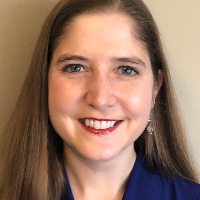
Tabitha Jameson is a Licensed Independent Mental Health Practitioner (LIMHP) in Nebraska with 11 years of experience. She works with adults carrying stress, anxiety, grief, depression, trauma, relationship and intimacy concerns, and issues around guilt and shame. Sessions focus on the present and on practical steps people can use right away.
Tabitha notices that many problems trace back to questions of purpose, acceptance, and how the past keeps showing up now. She uses a client-centered stance that starts with what a person already does well. From there she adds tools from cognitive behavioral techniques and mindfulness to reduce distress and build better day-to-day habits.
Her style keeps conversations focused and action oriented. Clients can expect to talk through current problems, try small experiments between sessions, and learn skills to manage emotions. She also uses dialectical behavior ideas when feelings feel overwhelming and motivational interviewing to help with changes someone wants to make.
Tabitha has worked with people facing life changes such as adoption and foster care, chronic illness, cancer, and parenting strains. She also addresses eating and body image concerns, substance struggles, panic symptoms, and issues tied to family of origin. In sessions she helps people name the messages that feed shame and then practice alternative ways of responding.
Her approach balances present-focused work with skill building. She helps people recognize patterns, test new behaviors, and make gradual shifts in how they cope. Language of strengths and small steps is common in her sessions.
How therapeutic approaches fit into online work
Client-Centered Therapy focuses on listening and building on a person's existing strengths. In practice this means the therapist follows what matters most to the client and supports choices they already make that help. Cognitive Behavioral Therapy (CBT) looks at how thoughts, feelings, and actions interact. It uses practical exercises and short experiments to change patterns that keep someone stuck, which can help with anxiety, depression, and guilt-driven thinking. Dialectical Behavior Therapy (DBT) offers concrete skills for managing intense emotions and improving distress tolerance; it is useful when strong feelings or impulsive reactions make everyday life harder.Finding the right approach is part of the work. The therapist and client decide together which methods to try based on current needs, goals, and preferences. That collaboration can mean mixing client-centered listening with CBT skill practice and some DBT techniques for emotional regulation.
The original biography does not list specific online session formats, so confirm current options before booking. Online work can make therapy fit daily life more easily by reducing travel time, allowing shorter check-ins, and making scheduling more flexible. It also supports continuing therapy during life transitions and lets people use tools learned in session where they live and work.
Areas of expertise
Primary focus
Also works with
Additional focus areas
Therapeutic approaches
Experience
11+ years
Listed in
Nebraska
Languages
English
Frequently asked questions
What concerns does she work with?
She works with stress, anxiety, grief, depression, trauma, relationship and intimacy issues, and related problems such as guilt and shame.
How does she approach shame and guilt?
She focuses on the present and on strengths, helping people name the messages that drive shame and try small, concrete changes in how they respond.
How much clinical experience does she have?
Tabitha has 11 years of experience working with a wide range of concerns and life changes.
What credential and location apply?
She is a LIMHP practicing in Nebraska.
Can I work with her if I live outside the United States?
Sessions are available to international clients and are conducted in English.
What session formats are offered?
The biography does not list specific session formats; please confirm current session options before booking.
How are fees handled?
Cost varies with location and sessions use a subscription that can be canceled at any time.
What do I do to begin?
Select the See online therapy options button, complete a short matching questionnaire, and schedule a first session to get started.
Online talk therapy is not emergency care. If you are in danger or thinking about harming yourself, use the crisis numbers.