- Attachment-based work
- Client-centred sessions
- Motivational interviewing
About Rachel
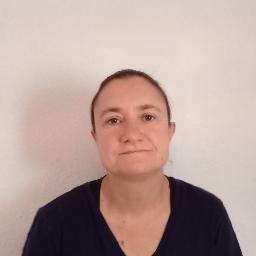
Rachel Cannon is a BACP counsellor in the United Kingdom with 13 years of therapeutic experience. She has worked for over two decades in mental health settings and supports people facing anxiety, trauma and abuse, relationship difficulty, addictions, depression, gender identity questions, and life transitions including career change and loss.
Rachel works from a mix of humanistic and psychodynamic ideas combined with motivational interviewing and attachment-based thinking. She focuses on what is happening now alongside memories from earlier life that keep repeating. Sessions are conversational and reflective, not a checklist of techniques.
She helps people talk through guilt and shame, struggles with identity and sexuality, chronic stress, and the strain of caregiving or long-term health problems. Rachel also works with issues such as panic, bipolar mood challenges, social anxiety and self-esteem concerns.
In the room she aims to be direct and practical where that helps, and more exploratory when people want to understand deeper patterns. She encourages reflection about repeated relationship patterns and supports people to try different ways of relating and deciding what matters next.
Rachel accepts people from other countries and offers sessions in English. To begin she asks people to complete a short matching questionnaire and then schedule a first appointment through the service's online options.
How her approaches shape online work
Rachel draws on attachment-based ideas to look at how earlier relationships affect present feelings. That approach helps when patterns in close relationships lead to guilt, shame or repeated conflict. She also uses client-centred work which focuses on listening and following what the person brings each session, useful for talking through identity, sexuality or life changes.Finding the right approach is part of the work together. She will talk with the client about their needs, goals and preferences and then suggest whether attachment thinking, client-centred listening or motivational-style conversations feel most useful. Decisions about focus and pace are explored collaboratively rather than imposed.
The original biography does not state specific online formats. Please confirm the available session formats before booking. Online sessions can make it easier to fit therapy into a busy life, allow shorter check-ins when needed, and remove travel time so people can use a lunch break or an evening slot more easily. Registered or accredited professionals and therapists often adapt techniques used in person so they work over distance and to suit each person's circumstances.
Areas of expertise
Also works with
Additional focus areas
Therapeutic approaches
Experience
13+ years
Listed in
United Kingdom
Languages
English
Frequently asked questions
What kinds of problems does she work with?
She works with stress, anxiety, depression, trauma and abuse, relationship and intimacy issues, addictions, grief, and guilt and shame among other concerns.
How would she approach shame or guilt in sessions?
She uses conversational, reflective work that looks at current feelings and repeating life patterns to help people make sense of guilt or shame.
How long has she been practising?
Rachel has 13 years of experience as a counsellor, and more than twenty years working in mental health settings.
What are her credentials and where is she based?
She is registered with the British Association for Counselling and Psychotherapy (BACP) and is based in the United Kingdom.
Can I work with her if I live outside the UK?
Sessions are offered to international clients and are conducted in English.
What session formats does she offer?
The original biography does not list specific session formats. Please confirm current session options before booking.
How are sessions paid for?
Costs vary with location and sessions use a subscription that can be cancelled at any time.
How do I start working with her?
Select the See online therapy options button, complete a short matching questionnaire, and schedule a first session.
Online talk therapy is not emergency care. If you are in danger or thinking about harming yourself, use the crisis numbers.