- ACT strategies
- CBT techniques
- DBT skills
About Rachael
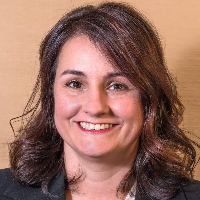
Rachael McKinnon is a Licensed Master Social Worker (LMSW) practicing in Michigan with 14 years of clinical experience. She works with adults facing stress, anxiety, addiction, depression, relationship and family concerns, trauma and abuse, grief, sleep trouble, anger, low self-esteem, career shifts, bipolar disorder, and coping with life changes. Rachael also lists additional focuses such as abandonment, caregiver stress, chronic illness, codependency, communication problems, dissociation, and substance issues.
Her approach blends several practical therapies. She draws on Acceptance and Commitment Therapy (ACT) and Cognitive Behavioral Therapy (CBT) to help people notice unhelpful thoughts and make values-driven choices. Client-Centered Therapy and Dialectical Behavior Therapy (DBT) are used to work on distress tolerance, emotion regulation, and clearer communication.
Sessions are conversational and skills-focused. Rachael helps people name difficult feelings, try small experiments, and build everyday coping tools. She explains strategies in plain language and expects practice between meetings so changes can stick.
Rachael frames work around current problems and life goals. She can support people dealing with trauma, relationship strain, substance concerns, mood instability, and the stress of caregiving or illness. The emphasis is on practical steps and clearer thinking rather than technical jargon.
People who prefer direct, collaborative work that mixes talk and skill-building may find this approach useful. Rachael offers therapy in English and sees clients in Michigan. Prospective clients are asked to confirm session options and scheduling details before booking.
How Rachael uses therapy approaches in online sessions
Acceptance and Commitment Therapy (ACT) helps people clarify what matters to them and take steps toward those values despite difficult feelings. It often involves noticing thoughts, naming values, and trying small behavioral experiments. Cognitive Behavioral Therapy (CBT) focuses on identifying unhelpful thinking patterns and practicing different ways of thinking and acting to change mood and behavior. Both approaches are useful for anxiety, depression, and stress-related problems.Finding the right approach is part of the work together. Rachael will collaborate with each person to decide which methods fit their needs, goals, and preferences. That might mean trying ACT techniques for values-driven change, using CBT exercises to shift thinking, or mixing elements from different approaches as needs evolve.
Confirm the exact session formats before booking because the profile does not list them. Online meetings can make it easier to fit therapy into a busy week, reduce travel time, and allow shorter check-ins when needed. They also make it simpler to keep appointments during work breaks or when mobility is limited. Licensed professionals can adapt ACT and CBT exercises to remote sessions so skills practice and problem-solving continue between meetings.
Areas of expertise
Primary focus
Also works with
Additional focus areas
Therapeutic approaches
Experience
14+ years
Listed in
Michigan
Languages
English
Frequently asked questions
What kinds of problems does she help with?
She works with stress, anxiety, depression, addictions, relationship and family concerns, trauma and abuse, grief, sleep problems, anger, self-esteem, career changes, bipolar disorder, and coping with life changes.
How would she approach shame or guilt?
Rachael uses practical therapies like ACT and CBT to help people notice self-critical thoughts and experiment with different responses rather than getting stuck in them.
What is her professional background?
She holds a Licensed Master Social Worker credential and brings 14 years of clinical experience working with a wide range of mental health concerns.
Where does she practice and what license does she hold?
She practices in Michigan and holds the credential MI LMSW.
Does she work with non-English speakers or international clients?
Sessions are offered in English and she is not currently accepting international clients.
What session formats are offered?
Please confirm current session options before booking, as the original profile does not specify which formats are offered.
How is cost handled?
Cost varies by location and sessions use a subscription model that can be canceled at any time.
How do I get started with her?
Select the See online therapy options button, complete a short matching questionnaire, and schedule a first session.
Online talk therapy is not emergency care. If you are in danger or thinking about harming yourself, use the crisis numbers.