- Guilt and shame work
- ACT and CBT methods
- Relationship concerns
About Nia
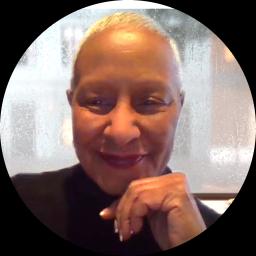
Nia Rose is a Licensed Clinical Mental Health Counselor (LCMHC) practicing in North Carolina with 30 years of professional experience. She works with adults facing issues such as addiction, trauma and abuse, intimacy-related concerns, low self-esteem, depression, relationship and family challenges, and ADHD. Sessions are conversational and practical, focused on what feels most urgent to the client.
Her background includes long-term clinical work helping people untangle patterns that cause pain. She uses methods like Acceptance and Commitment Therapy, Cognitive Behavioral Therapy, Dialectical Behavior Therapy, Emotionally-Focused Therapy, and Client-Centered Therapy to shape sessions. That means therapy can include values clarification, skills for managing difficult emotions, steps to change unhelpful thinking, and attention to relational patterns.
In practice she encourages clear, direct work on feelings such as guilt and shame that come from relationships, faith, or personal choices. Sessions look at actions and thoughts that get in the way of daily life, and build concrete steps to test different ways of responding. The style is steady and goal-oriented, with room to slow down when memories or strong feelings appear.
She also addresses related topics like abandonment, codependency, body image, caregiver stress, substance use, eating concerns, and control issues. People who come to her often want both short-term coping skills and longer-term change in how they relate to themselves and others.
To begin, prospective clients are asked to complete a short matching questionnaire and schedule a first session. Fees vary by location and use a subscription that can be canceled at any time.
How her approaches translate to online sessions
Acceptance and Commitment Therapy (ACT) focuses on clarifying personal values and taking small actions that align with those values while learning to notice painful thoughts without getting ruled by them. Cognitive Behavioral Therapy (CBT) targets unhelpful thinking patterns and tests new behaviors through doable homework and experiments between sessions. Emotionally-Focused Therapy (EFT) attends to how emotions shape relationships and helps identify patterns of interaction that keep distress going.Choosing the right approach is a collaborative process. The therapist will talk with the client about goals, try methods that match those goals, and adjust the plan over time based on what helps most. That means sessions can blend skills work, values-based tasks, and emotional processing as needed.
Confirm the specific session formats available before booking, since the biography does not list formats explicitly. Online sessions can make it easier to fit therapy into a busy day, reduce travel time, and allow shorter check-ins when needed. They also permit using screen-shared worksheets, guided exercises, and audio or video conversations to practice ACT, CBT, or EFT tools between meetings.
Areas of expertise
Also works with
Additional focus areas
Therapeutic approaches
Experience
30+ years
Listed in
North Carolina
Languages
English
Frequently asked questions
What kinds of concerns does she help with?
She works with addiction, trauma and abuse, intimacy issues, self-esteem, depression, relationship and family difficulties, and ADHD. Additional topics include codependency, eating concerns, abandonment, and caregiver stress.
How would she approach guilt or shame?
She uses approaches such as Acceptance and Commitment Therapy and CBT to name difficult feelings, notice the thoughts around them, and practice different responses. Work can include values clarification and small behavioral experiments.
What is her professional background?
She has 30 years of professional experience in clinical mental health counseling and decades of direct client work across related issues. That experience informs both short-term skills and longer-term therapeutic work.
What are her credentials and where is she based?
She is a Licensed Clinical Mental Health Counselor (LCMHC) licensed in North Carolina. Her practice is located in North Carolina.
In which languages are sessions offered?
Sessions are offered in English. International clients are not currently accepted.
What session formats are available?
Confirm current session options before booking by using the platform steps, as specific formats are not listed in the biography. Please check the booking flow for up-to-date information.
How does pricing work?
Fees vary with location and sessions use a subscription that can be canceled at any time. Exact amounts appear in the matching and scheduling process.
How do I begin working with her?
Select the See online therapy options button, complete a short matching questionnaire, and schedule a first session through the platform.
Online talk therapy is not emergency care. If you are in danger or thinking about harming yourself, use the crisis numbers.