- Stress management
- Identity concerns
- Communication skills
About Nakiba
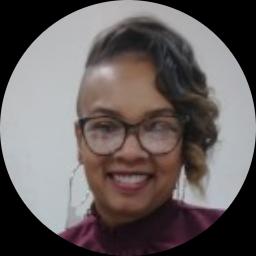
Nakiba Varnado is a Licensed Clinical Social Worker (LCSW) practicing in Texas with four years of experience. She works with people facing stress, anxiety, trauma and abuse, bipolar disorder, and life changes. She also supports clients dealing with LGBT concerns and feelings of shame or isolation.
She focuses on practical skills like improving communication and building self-regard. Sessions often look at how past experiences shape current reactions. Conversations include setting boundaries, coping with workplace stress, and managing mood shifts in everyday life.
Nakiba describes her outlook as multicultural and affirming. She pays attention to identity, social context, and how those factors affect mental health. That includes working with people who identify as LGBTQ+ and addressing identity-related worries.
Her work draws from evidence-based therapeutic techniques. She helps people understand patterns such as avoidance, codependency, or attachment issues and practices clear strategies to reduce their impact. She also addresses concerns tied to adoption, abandonment, blended family dynamics, and body image.
Clients can expect straightforward conversations about coping skills and next steps. Nakiba uses a mix of practical tools and reflective work to help people manage difficult feelings and make gradual changes. To begin, clients complete a short matching questionnaire and schedule a first session.
Background and approach: Over four years Nakiba has supported people with trauma, grief, and complex stressors including caregiver strain and cancer-related concerns. She works with topics like BDSM, kink, and alternative sex culture without judgment. Her approach blends skill-building with attention to how identity and relationships shape emotional life. She invites clients to notice patterns, try small changes, and review what works for them.
Therapeutic techniques and online sessions
Many of Nakiba's sessions draw from evidence-based therapeutic techniques that teach concrete skills and help people change unhelpful patterns. One common approach focuses on identifying and changing avoidance and communication habits so clients can handle stress and relationship strains more directly. Another approach emphasizes mood management and coping strategies for conditions like anxiety and bipolar-related shifts, teaching routines and checks that make daily life steadier.Choosing the right method is part of the work. Nakiba will collaborate with each person to identify which techniques fit their goals and preferences. She reviews what the client hopes to change and adjusts methods as progress and needs evolve.
The biography does not list specific session formats, so please confirm current online options before booking. Online sessions can make it easier to fit therapy into a busy week, reduce travel time, and allow for shorter check-ins when needed. They also let people meet from different locations, which can be helpful for international clients. Licensed professionals can adapt exercises and homework for remote work so progress continues between sessions.
Areas of expertise
Primary focus
Additional focus areas
Experience
4+ years
Listed in
Texas
Languages
English
Frequently asked questions
What kinds of concerns does she work with?
She works with stress, anxiety, trauma and abuse, bipolar disorder, and coping with life changes. Additional focus areas include LGBT concerns, abandonment, adoption and foster care, and body image.
How would she approach feelings of shame or guilt?
She uses evidence-based therapeutic techniques to help people understand patterns that sustain shame and to practice skills that reduce its hold. Work often includes improving communication and building greater self-regard.
What is her clinical background?
She is a Licensed Clinical Social Worker (LCSW) in Texas with four years of professional experience supporting people with trauma, mood concerns, and identity-related stress.
Where is she based and licensed?
She is licensed as an LCSW in Texas and practices from that location.
Does she offer sessions in other languages or to international clients?
Sessions are offered in English and she accepts international clients.
What session formats are available?
The original biography does not list specific session formats; please confirm current session options before booking.
How are sessions paid for and what does it cost?
Cost varies with location and sessions use a subscription that can be canceled at any time.
How do I begin working with her?
Start by selecting the See online therapy options button, completing a short matching questionnaire, and scheduling a first session.
Online talk therapy is not emergency care. If you are in danger or thinking about harming yourself, use the crisis numbers.