- Client-centered approach
- CBT techniques
- Trauma-informed care
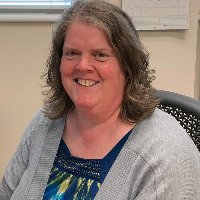
About Lori
Lori Cheek Gilroy is an Illinois Licensed Clinical Social Worker (LCSW) with 26 years of experience. She works with adults dealing with stress, anxiety, low self-esteem, depression, grief, relationship strain, parenting challenges, trauma and abuse, and issues like guilt and shame.
She blends practical conversation with goal-focused work. Sessions aim to clarify what matters most and identify small, manageable steps. Lori uses methods that help people notice unhelpful thoughts and try new behaviors that fit their life. She also incorporates values and faith when clients want that included.
Her background includes work in child welfare, a family counseling clinic, a family birthing center, crisis intervention, and community mental health. That variety shaped an approach that moves between short-term problem solving and deeper trauma work as needed. Lori also has experience supporting caregivers and people facing chronic illness or aging concerns.
In sessions she draws from client-centered practice, cognitive behavioral techniques, motivational interviewing, solution-focused strategies, and trauma-focused work. Conversations tend to be straightforward and practical, with attention to faith and meaning when clients bring that up. Clients set goals and Lori helps track progress while adjusting steps if something isn’t working.
She welcomes questions about how therapy might fit into daily life and what a first session looks like. Prospective clients in Illinois who speak English can follow the site steps to complete a short questionnaire and schedule a first appointment.
Therapeutic approaches used for online work
Client-centered therapy means conversations focus on the person’s priorities and values. It involves listening, reflecting, and helping the client identify their own solutions. Cognitive Behavioral Therapy, or CBT, looks at patterns of thought and behavior that keep someone stuck and tests new ways of thinking and acting; it is often used for anxiety, depression, and persistent guilt.Finding the right approach is part of the work together. The therapist will discuss goals and preferences and suggest which methods to try first. That recommendation is adjusted over time based on what helps and what fits the client’s life and beliefs.
Confirm current session options before booking so you know what formats are offered. Online work can make regular check-ins easier to fit into a weeknight or a lunch break. It can also allow shorter, focused sessions when time or bandwidth is limited. The emphasis is on practical ways to integrate therapy into everyday routines rather than promising a particular outcome.
Areas of expertise
Also works with
Additional focus areas
Therapeutic approaches
Experience
26+ years
Listed in
Illinois
Languages
English
Frequently asked questions
What issues does she help with related to guilt and shame?
She helps people who carry guilt or shame connected to family, faith, relationships, or past actions. Work often includes identifying beliefs and testing new ways of coping.
How would she approach feelings of persistent guilt?
Her approach combines client-centered conversation with cognitive behavioral techniques to examine thoughts, and solution-focused steps to try different responses in daily life.
What kind of experience does she have?
She has 26 years of experience as a counselor and life coach across child welfare, family clinics, a birthing center, crisis intervention, and mental health clinics.
What are her credentials and where is she based?
She is an Illinois Licensed Clinical Social Worker (LCSW) practicing in Illinois.
Which languages are supported in sessions?
Sessions are offered in English.
Can people outside the United States work with her?
She is not currently accepting international clients.
How are fees handled?
Cost varies with location and sessions use a subscription that can be canceled at any time.
How do I begin if I want to work together?
Use the See online therapy options button, complete a short matching questionnaire, and schedule a first session.
Online talk therapy is not emergency care. If you are in danger or thinking about harming yourself, use the crisis numbers.