- CBT focus
- DBT skills
- Motivational interviewing
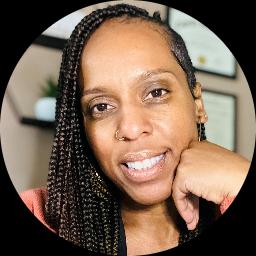
About LaQuanta
LaQuanta Hobbs is a Licensed Clinical Mental Health Counselor (LCMHC) in North Carolina with five years as a clinician and a longer history in mental health work. She lists stress, anxiety, addictions, trauma and abuse, parenting concerns, self-esteem, relationship and family issues, grief, and guilt and shame among the concerns she works with.
She draws on a mix of practical approaches in sessions. Cognitive Behavioral Therapy helps people notice and change unhelpful thinking and behavior patterns. Dialectical Behavior Therapy offers skills for managing intense emotions and improving relationships. LaQuanta also uses client-centered listening, motivational interviewing to support change, and solution-focused steps to set achievable goals.
Her background includes roles as a case manager, qualified professional, and mobile crisis counselor, plus experience in community, inpatient, school, crisis, and private practice settings. That range informs how she responds to people coming from different life circumstances and levels of distress.
In sessions she tends to keep things straightforward. Conversations move between understanding what led to current feelings and practicing concrete skills to cope with them. She aims to help people notice patterns, test small changes, and build clearer next steps for relationships, work, or daily life.
People who bring issues like parenting strain, first responder stress, gender identity concerns, substance use, or grief will find these topics listed in her focus areas. She also names guilt and shame as an area she addresses, including how those feelings affect relationships and self-view.
How therapeutic approaches shape online sessions
Client-Centered Therapy centers the person's own goals and experiences. In practice this means the therapist listens closely and follows what matters most to the individual, helping them name priorities and clarify values.Cognitive Behavioral Therapy (CBT) breaks problems into thoughts, feelings, and actions. Online sessions using CBT often involve identifying unhelpful thinking patterns and trying practical changes between meetings to test what helps with anxiety, depression, or guilt.
Dialectical Behavior Therapy (DBT) teaches emotion regulation, distress tolerance, and interpersonal skills. Those skills can be practiced in short exercises and then discussed during sessions to reduce reactivity and improve relationships.
Finding the right approach is part of the work. The therapist will talk with each person about their goals and preferences, and together they will decide which methods to try first. That collaboration can include mixing approaches as needs shift over time.
The profile does not specify particular online formats, so confirm current session options before booking. Many people find remote sessions helpful for fitting therapy around work or family commitments, having quicker check-ins, or avoiding travel time. Online work also allows skills practice between meetings and easier sharing of worksheets or notes to track progress.
Areas of expertise
Primary focus
Also works with
Additional focus areas
Therapeutic approaches
Experience
5+ years
Listed in
North Carolina
Languages
English
Frequently asked questions
What kinds of concerns does she work with?
She lists stress, anxiety, addictions, trauma and abuse, parenting, self-esteem, relationship and family issues, grief, guilt and shame, and related areas among her focus.
How does she approach feelings of guilt or shame?
She combines cognitive behavioral techniques with DBT skills to help people recognize unhelpful thoughts and manage strong emotions connected to guilt and shame.
What is her clinical background and experience?
She has five years as a clinician and about 15 years working in mental health roles such as case manager, qualified professional, and mobile crisis counselor across multiple settings.
What are her credentials and where is she based?
She is an LCMHC (Licensed Clinical Mental Health Counselor) licensed in North Carolina.
Does she work with people who are not in the United States?
Sessions are offered to international clients as indicated in her profile. Sessions are provided in English.
What session formats are used?
Please confirm current session options before booking, as the profile does not list specific session formats.
How does payment and cost work?
Cost varies with location and sessions use a subscription that can be canceled at any time.
How do I begin working with her?
Choose the See online therapy options button, complete the short matching questionnaire, and schedule a first session.
Online talk therapy is not emergency care. If you are in danger or thinking about harming yourself, use the crisis numbers.