- Mindfulness practices
- CBT techniques
- Somatic awareness
About Ellen
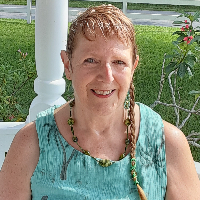
Rev. Ellen Schipul is a Licensed Professional Counselor (LPC) in Pennsylvania with 18 years of experience. She works with adults facing stress, anxiety, trauma and abuse, grief, low self-esteem, life changes, relationship and family concerns, parenting strains, mood conditions such as bipolar and depression, compassion fatigue, and ADHD. She also focuses on issues like abandonment, attachment difficulties, codependency, and forgiveness.
Her approach blends talking and practical activities. She listens, asks questions, and offers exercises drawn from client-centered work, mindfulness, cognitive-behavioral ideas, solution-focused steps, and body-aware practices. Sessions often involve noticing thoughts and feelings, trying new ways of responding, and practicing small behavioral changes.
Ellen draws on a longer background as an ordained interfaith minister and pastoral counselor. That experience informs how she talks about values, meaning, and spiritual concerns when clients want that included. She describes attention to mind, body, and spirit as part of the work, and will weave spiritual beliefs into sessions if a client requests it.
Practical tools may include mindfulness practices, CBT-style thought and behavior experiments, short-term solution-focused planning, and somatic techniques to track bodily responses. These are offered alongside conversational, client-centered support that centers the person’s own goals.
Clients start by describing what feels stuck and then try concrete steps between sessions. The emphasis is on experiments that can reduce shame or guilt tied to past actions or current identity, and on building habits that ease daily strain rather than on labels or promises.
How her approaches translate to online sessions
Client-centered work focuses on listening and collaboration. In practice this means the therapist reflects what a person says, asks clarifying questions, and helps set short-term goals that feel manageable. This approach is useful for people carrying guilt or shame who want a careful, steady conversational place to sort through feelings and choices.Cognitive Behavioral Therapy (CBT) targets the thoughts and behaviors that keep distress going. Sessions may include tracking thought patterns, trying behavioral experiments between meetings, and practicing new reactions to old triggers. This is practical work aimed at changing moments that fuel guilt or self-criticism.
Mindfulness Therapy trains simple attention skills so people can notice bodily sensations, emotions, and automatic thoughts without immediately acting on them. It can help reduce reactivity tied to shame and make it easier to try small changes in day-to-day life.
Choosing the right mix of approaches is part of the process. The therapist will collaborate with the client to identify goals, try methods, and adjust plans based on what works and what doesn’t. That cooperative stance helps people test different tools while staying focused on real-life needs.
The biography does not specify session formats, so confirm current options before booking. Online sessions can make it easier to fit appointments into a busy week, allow quieter or shorter check-ins when needed, and reduce travel time. These practical conveniences often help people maintain consistency with the work between sessions.
Areas of expertise
Also works with
Additional focus areas
Therapeutic approaches
Experience
18+ years
Listed in
Pennsylvania
Languages
English
Frequently asked questions
What kinds of concerns does she help with?
She works with stress, anxiety, trauma and abuse, grief, self-esteem, coping with life changes, relationship and family issues, parenting, bipolar and depression, compassion fatigue, and ADHD.
How does she approach shame or guilt?
She uses a mix of client-centered conversation, mindfulness, CBT-style exercises, solution-focused steps, and somatic techniques to help people notice and change unhelpful patterns tied to guilt or shame.
What is her background and experience?
She has worked in counseling for 18 years and brings experience as an ordained interfaith minister and pastoral counselor to conversations about values and spiritual concerns.
What credential does she hold and where is she based?
She is a Licensed Professional Counselor (LPC) practicing in Pennsylvania.
Does she work with people in other countries or languages?
Sessions are offered in English and she accepts international clients.
What session formats are offered?
The original biography does not list specific session formats; please confirm current session options before booking.
How are costs handled?
Cost varies with location and sessions use a subscription that can be canceled at any time.
How do I begin working with her?
Select the See online therapy options button, complete a short matching questionnaire, and schedule a first session.
Online talk therapy is not emergency care. If you are in danger or thinking about harming yourself, use the crisis numbers.