- DBT skills
- Psychodynamic work
- Guilt and shame focus
About B
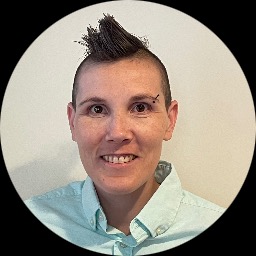
B Payson Croy is a Licensed Independent Clinical Social Worker (LICSW) practicing in Massachusetts with three years of professional experience. She works with adults dealing with stress, anxiety, relationship strain, trauma and abuse, and issues related to LGBT identity. She also addresses concerns like abandonment, attachment difficulties, codependency, communication problems, guilt and shame, and questions about life purpose.
In sessions she focuses on helping people talk through what weighs on them now. Conversations are direct and practical. Clients can expect room to say hard things and to name the feelings that follow difficult events or choices.
Payson draws on Dialectical Behavior Therapy skills to teach concrete ways of managing intense emotions and reducing distress in the moment. She also uses psychodynamic ideas to look at patterns that repeat over time and where they might come from. Those approaches are used together to help people both cope day to day and understand deeper patterns.
She works with young adults and others navigating life transitions and mood concerns. Sessions aim to make sense of past hurts while building steps for clearer communication and healthier boundaries. The pace is set by the client and focused on practical change.
Clients who are unsure what to expect can begin by describing the specific guilt or shame they carry. From there Payson helps map what feels most urgent, and what small next steps might look like.
How her approaches work for online sessions
Dialectical Behavior Therapy (DBT) focuses on teaching practical skills for handling intense emotions. In a few clear steps clients learn techniques for distress tolerance, emotion regulation, and clearer communication that can be practiced between sessions. Psychodynamic Therapy looks at patterns that repeat in relationships and feelings over time. It helps people notice where old experiences show up now and what those patterns mean for current choices and relationships.Finding the right blend of approaches is part of the work. She will collaborate with each client to decide whether DBT skills, psychodynamic reflection, or a combination fits best. This conversation considers the client’s goals, the specific guilt or shame they carry, and how they want to proceed.
Confirm the available session formats before booking so you know what options are offered. Online sessions can make it easier to fit therapy into a busy day, shorten travel time, and allow check-ins that focus on skills practice or a quick emotional check. These practical benefits can help people keep momentum while working on urgent feelings and longer term patterns.
Areas of expertise
Primary focus
Additional focus areas
Therapeutic approaches
Experience
3+ years
Listed in
Massachusetts
Languages
English
Frequently asked questions
What kinds of concerns does she work with?
She works with stress, anxiety, relationship issues, trauma and abuse, and LGBT related concerns. Additional focus areas include guilt and shame, attachment, codependency, and life purpose.
How would she approach feelings of shame or guilt?
She combines DBT skills for managing intense emotions with psychodynamic discussion of repeating patterns. That mix supports immediate coping and longer term understanding.
What is her professional background?
She has three years of clinical experience and holds an MA and LICSW credential. Her practice is based in Massachusetts.
Where is she licensed and practicing?
She is licensed in Massachusetts and provides services from that location.
Which languages are supported in sessions?
Sessions are offered in English.
Can people from other countries work with her?
She does not accept international clients at this time.
How are sessions paid for?
Cost varies by location and sessions use a subscription model that can be canceled at any time.
What should I do to start a first session?
Select the See online therapy options button, complete a short matching questionnaire, and schedule a first session.
Online talk therapy is not emergency care. If you are in danger or thinking about harming yourself, use the crisis numbers.