- Client-Centered Therapy
- Cognitive Behavioral Therapy
- Mindfulness techniques
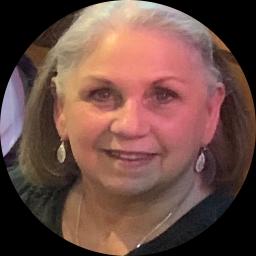
About Vickie
Vickie Frizzell Pratt is a Licensed Independent Mental Health Practitioner (LIMHP) in Nebraska with 29 years of clinical experience. She focuses on stress, anxiety, trauma and abuse, self-esteem concerns, bipolar disorder, and depression. Vickie works with adults who carry heavy feelings about their past actions, relationships, or identity.
Her background includes long practice with trauma, mood disorders, and anxiety. She uses client-centered methods that keep the person's own goals in view. Sessions often include cognitive behavioral techniques to notice and change unhelpful thinking. She also draws on emotionally-focused work to help people understand patterns in relationships and attachment.
Vickie integrates mindfulness exercises to help reduce reactivity and increase awareness of present-moment experience. She may use EMDR when processing traumatic memories is appropriate. The emphasis is practical - finding specific ways to respond differently to shame, guilt, or persistent worry.
She has experience supporting people dealing with abandonment, attachment issues, blended family concerns, body image, chronic illness, caregiver stress, and the psychological effects of cancer. Vickie also works with issues such as codependency, control problems, and coping after disasters.
Sessions are offered in English and American Sign Language. Her approach is collaborative: she talks with each person to decide what methods and pacing feel right. To start, a short questionnaire and a scheduling step are used to set up an initial session.
How her approaches translate to online work
Client-Centered Therapy places the person's goals and preferences at the center of the work. In practice this means sessions begin by listening closely to what matters most and checking in about pacing and priorities. It is helpful for people who want a therapist to follow their lead while offering structure when needed.Cognitive Behavioral Therapy (CBT) focuses on identifying patterns of thinking and behavior that keep distress going. Online sessions can include learning simple cognitive tools, practicing them between meetings, and reviewing what changes or didn't work. CBT often helps with persistent worry, mood problems, and unhelpful self-blame.
Emotionally-Focused Therapy (EFT) helps identify emotional patterns and how they influence relationships and attachment. In individual work this can mean mapping out recurring emotional reactions and trying new responses in day-to-day life. EFT-style attention to feelings complements cognitive and mindfulness practices.
Choosing the right approach is part of the collaboration. The therapist will talk with each person about goals, history, and preferences, and then suggest which methods to try first. That plan can change as progress or obstacles become clearer.
The biography does not list specific session formats, so confirm current online options before booking. Online work can make therapy fit into busy schedules, allow shorter check-ins when needed, reduce travel time, and let people join from different Nebraska locations. The practical focus is on finding ways to make sessions workable within everyday life while testing which techniques help reduce the hold of guilt or shame.
Areas of expertise
Primary focus
Additional focus areas
Therapeutic approaches
Experience
29+ years
Listed in
Nebraska
Languages
English, American Sign Language
Frequently asked questions
What kinds of problems does she address?
She works with stress, anxiety, trauma and abuse, self-esteem concerns, bipolar disorder, and depression, plus related issues such as abandonment and caregiver stress.
How does she approach shame and guilt in sessions?
She uses client-centered conversations alongside cognitive behavioral strategies and emotionally-focused work to explore thoughts and relationship patterns tied to shame and guilt.
How much clinical experience does she have?
She has 29 years of clinical experience practicing in Nebraska.
What credential does she hold and where does she practice?
She is a LIMHP (Licensed Independent Mental Health Practitioner) practicing in Nebraska.
In which languages are sessions offered?
Sessions are offered in English and American Sign Language.
Can people outside the United States work with her?
She does not accept international clients at this time.
How are sessions paid for and what does it cost?
Cost varies with location and sessions use a subscription model that can be canceled at any time.
What are the steps to begin working with her?
Start by selecting the See online therapy options button, complete a short matching questionnaire, and schedule a first session.
Online talk therapy is not emergency care. If you are in danger or thinking about harming yourself, use the crisis numbers.