- Stress and anxiety
- Trauma and abuse
- Depression and anger
About Thomas
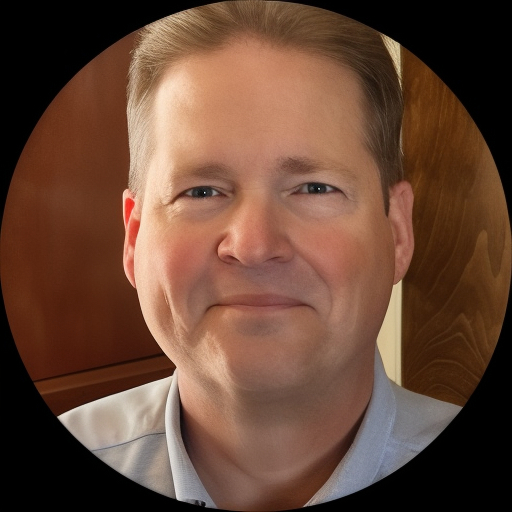
Thomas Hazen is a Licensed Clinical Mental Health Counselor (LCMHC) in Utah with 20 years of experience. He works with adults who are carrying heavy feelings such as guilt, shame, anxiety, depression, anger, or stress. He also addresses relationship struggles and trauma-related concerns.
He helps people name and examine the thoughts and moments that keep them stuck. Sessions focus on improving communication and reducing isolation. He also supports people working through forgiveness, abandonment wounds, and the emotional fallout of life transitions.
Thomas uses evidence-based therapeutic techniques to guide the work. He listens, helps clients notice unhelpful patterns, and experiments with new ways of responding. Practical skills and real-life practice are part of the process so changes can carry into daily routines.
His background includes two decades of clinical work across many presenting problems. That experience informs how he frames next steps and tailors pacing. He brings particular attention to issues such as chronic pain or illness, caregiver stress, addiction, and first responder concerns.
Sessions are conducted in English and he practices in Utah. People interested in starting a series of sessions follow the site's process to complete a short matching questionnaire and schedule an initial meeting. The cost of sessions varies by location and uses a subscription that can be canceled at any time.
How evidence-based approaches translate to online sessions
Thomas works with evidence-based therapeutic techniques that focus on noticing patterns and trying new responses. One common approach involves practical skill-building for anxiety and depression - learning small, repeatable steps to change how daily moments unfold. Another approach centers on trauma-informed strategies that help people name painful memories and reduce their grip on current behavior and relationships.Finding the right approach is part of the work. Thomas will review what feels most useful and adjust methods based on each person's needs, goals, and preferences. That decision is collaborative and may change over time as progress and challenges become clearer.
The biography does not specify particular online session formats, so please confirm the current options before booking. Online sessions can make it easier to fit therapy into a busy week, allow shorter check-ins when schedules demand, and remove travel time so therapy feels more practical. Licensed professionals can adapt exercises and between-session tasks to work well in a virtual setting while keeping the focus on real-life application.
Areas of expertise
Primary focus
Additional focus areas
Experience
20+ years
Listed in
Utah
Languages
English
Frequently asked questions
What kinds of concerns does he help with?
He works with stress, anxiety, relationship problems, trauma and abuse, anger, and depression, and addresses related issues like abandonment and forgiveness.
How would he approach feelings of shame or guilt?
He uses evidence-based techniques to help people notice unhelpful patterns, try alternative responses, and practice skills in daily life.
How much clinical experience does he have?
He has 20 years of experience working with a wide range of emotional and behavioral concerns.
What credential does he hold and where does he practice?
He is an LCMHC - Licensed Clinical Mental Health Counselor - practicing in Utah.
Can I work with him if I live outside the United States?
He does not accept international clients; sessions are offered in English and are based in Utah.
Which session formats are offered?
The biography does not list specific session formats; please confirm current session options before booking.
How much do sessions cost?
Cost varies with location and sessions use a subscription that can be canceled at any time.
What are the first steps to begin working together?
Select the See online therapy options button, complete the short matching questionnaire, and schedule a first session.
Online talk therapy is not emergency care. If you are in danger or thinking about harming yourself, use the crisis numbers.