- Client-centered methods
- Cognitive behavioral tools
- Trauma-focused work
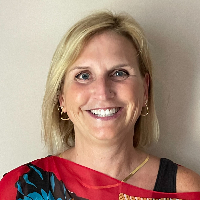
About Tara
Tara Hummel is a Licensed Mental Health Counselor (LMHC) and a Licensed Professional Counselor (LPC) with 12 years of clinical experience. She works with adults dealing with stress, anxiety, addictions, trauma and abuse, grief, parenting concerns, relationship and family issues, anger, self-esteem, depression, coping with life changes, compassion fatigue, and ADHD. Tara also lists additional focuses such as autism and Asperger syndrome, communication problems, divorce and separation, drug and alcohol addiction, forgiveness, guilt and shame, isolation and loneliness, midlife concerns, self-love, visual impairment, and women’s issues.
She combines straightforward talk and structured techniques in sessions. Tara draws on client-centered methods to understand what matters most to each person. She uses cognitive behavioral tools to change unhelpful thoughts and behaviors, psychodynamic ideas to look at patterns that repeat, and trauma-focused methods when past experiences are causing current distress.
Earlier in her career she spent many years working with children and adolescents with autism and other mental health differences, and with their guardians on behavior management and co-parenting challenges. She also has a long history supporting people with alcohol and substance use concerns and volunteered at a bereavement camp for children processing loss.
In sessions she listens for what a person most wants to change and pairs that with practical steps. That may mean short-term problem-focused work or deeper exploration of patterns that contributed to shame or guilt. She invites collaborative decision-making about goals and techniques.
Sessions aim to make problems clearer and more manageable. Tara encourages people to bring specific situations they regret or worry about so those concerns can be addressed directly. If you want to proceed, follow the site's matching and scheduling steps to arrange a first meeting.
How therapeutic approaches shape online sessions
Client-centered therapy focuses on listening and understanding a person's priorities. The therapist follows the person's lead, reflects back what she hears, and helps clarify goals and values. This approach helps when shame or guilt feels overwhelming and the first step is being understood.Cognitive Behavioral Therapy (CBT) breaks down the connections between thoughts, feelings, and actions. It uses short exercises and practical skill-building to test unhelpful beliefs and try alternative responses. CBT is often used for anxiety, depression, and patterns that keep guilt alive.
Eye Movement Desensitization and Reprocessing (EMDR) is a trauma-focused method that works with how distressing memories are stored. When past events continue to cause strong shame or distress, EMDR can be one of the approaches considered in collaboration with the person.
Deciding which approach to try is a collaborative process. The therapist will talk with the person about their goals, symptoms, and preferences, then recommend steps to test what helps best. That may mean brief, focused work or longer exploration of repeating patterns.
The biography does not specify session formats, so confirm current online session options when booking. Online work can make it easier to fit therapy into a busy week, allow shorter check-ins when needed, and remove travel time. Therapists use these practical benefits to help sessions fit daily life while focusing on the issues that carry guilt or shame.
Areas of expertise
Primary focus
Also works with
Additional focus areas
Therapeutic approaches
Experience
12+ years
Listed in
Pennsylvania, Florida
Languages
English
Frequently asked questions
What kinds of guilt or shame does she address?
She lists guilt and shame among many focus areas, including regret about actions, persistent feelings tied to relationships, and shame that traces back to upbringing or faith.
How does she approach feelings of guilt?
Tara uses client-centered conversation and cognitive behavioral techniques to name unhelpful thoughts and try different responses. She also draws on trauma-focused and psychodynamic ideas when past events are a major factor.
What is her clinical background?
She has 12 years of professional experience and many years working with people affected by addiction, autism-related behavior challenges, and grief support efforts.
Which credentials and region apply to her practice?
She holds LMHC and LPC credentials and practices from Florida, with prior work experience noted in Pennsylvania.
Can I work with her if I live outside the United States?
Sessions are offered in English and she is not accepting international clients at this time.
What session formats are available?
The biography does not list session formats explicitly. Please confirm current session options through the booking flow before scheduling.
How are sessions billed or paid for?
Cost varies with location; sessions use a subscription that can be canceled at any time.
How do I start a first session?
Select the See online therapy options button, complete the short matching questionnaire, and schedule your first session through the site.
Online talk therapy is not emergency care. If you are in danger or thinking about harming yourself, use the crisis numbers.