- ACT
- CBT
- Attachment work
About Swiyah
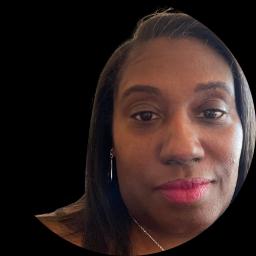
Swiyah Whittington is a Licensed Professional Counselor-Mental Health (LPC-MH) in Delaware with three years of professional counseling experience. She draws on a 15-year background in mental health to support people dealing with stress, anxiety, relationship difficulties, trauma and abuse, low self-esteem, and depression. Swiyah describes working alongside clients to make it easier to talk about hard feelings and choices. She acknowledges that reaching out for help takes courage and recognizes that first step.
In sessions she focuses on practical conversation and emotional clarity. She uses approaches such as Acceptance and Commitment Therapy and Cognitive Behavioral Therapy to help people notice thoughts and take values-based action. Attachment-based ideas and Emotionally-Focused Therapy inform how she looks at relationship patterns and attachment concerns.
Swiyah also addresses a range of more specific struggles. These include guilt and shame, abandonment and attachment issues, body image, caregiver stress, chronic illness and pain, dissociation, domestic violence, and feelings of isolation. She will also work with people who are processing forgiveness, impulsivity, or life-purpose questions.
Her style centers on listening and collaboratively exploring what is getting in the way of clearer thinking and steadier behavior. Sessions tend to be conversational and focused on real-life steps between meetings. People can expect a straightforward, respectful approach that helps name what matters and what to try next.
She practices in Delaware and offers services in English.
How her approaches translate to online work
Acceptance and Commitment Therapy (ACT) helps people notice painful thoughts and feelings without getting stuck, then choose actions that fit their values. It can be useful for anxiety, persistent guilt, and making steady changes. Cognitive Behavioral Therapy (CBT) focuses on identifying thought patterns that feed distress and testing new behaviors to reduce symptoms and improve mood. It often involves homework and brief skill practice between sessions. Attachment-Based Therapy looks at how early relationship patterns shape current connections and communication, which can be helpful for relationship concerns and attachment wounds.Choosing the right approach is part of the work together. Swiyah will collaborate with each person to decide which methods fit their goals, needs, and preferences. That can mean trying an ACT exercise one week and a CBT skill the next, then checking what helps most.
The biography does not specify session formats, so confirm current online options before booking. Many people find online sessions help fit therapy into busy days by reducing travel time and allowing appointments during a lunch break or after work. Online work can make it easier to use written exercises, practice skills between meetings, and keep consistent momentum. Licensed professionals can adapt ACT, CBT, and attachment-based techniques to remote meetings while helping clients focus on concrete steps and real-life practice.
Areas of expertise
Primary focus
Additional focus areas
Therapeutic approaches
Experience
3+ years
Listed in
Delaware
Languages
English
Frequently asked questions
What kinds of problems does she help with?
She works with stress, anxiety, relationship concerns, trauma and abuse, self-esteem issues, and depression. Additional focuses include guilt and shame, attachment struggles, body image, and caregiver stress.
How does she approach guilt and shame?
She uses methods such as Acceptance and Commitment Therapy and Cognitive Behavioral Therapy to help people notice painful thoughts and choose actions that reflect their values. Work often includes identifying unhelpful beliefs and practicing different responses.
What is her background and experience?
She has three years of professional counseling experience and a 15-year background in the mental health field. That history informs how she supports people through a range of emotional and relational issues.
What credential does she hold and where does she practice?
She is a Licensed Professional Counselor-Mental Health (LPC-MH) practicing in Delaware. Sessions are offered in English.
Does she work with people who live outside the US?
She does not accept international clients at this time. Sessions are provided only to those within the supported region.
What session formats are available?
The biography does not list specific session formats. Please confirm current session options before booking to know whether video or phone sessions are offered.
How are sessions paid for and what does it cost?
Cost varies with location and sessions use a subscription model that can be canceled at any time. Exact pricing depends on where the client is located.
How do I begin working with her?
Begin by selecting the See online therapy options button, completing a short matching questionnaire, and scheduling a first session. That process connects you and sets the first appointment.
Online talk therapy is not emergency care. If you are in danger or thinking about harming yourself, use the crisis numbers.