- CBT methods
- ACT strategies
- DBT skills
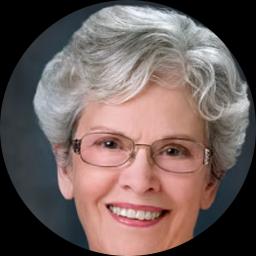
About Sharon
Sharon Sterling is an Arizona clinical social worker (LCSW) with 20 years of practice. She works with adults facing stress, anxiety, depression, parenting concerns, and life changes, and she lists guilt and shame among her focused areas.
She asks questions and listens to specific problems before suggesting practical steps. Sessions often include tools to manage panic, mood shifts, and overwhelming worry. Sharon uses clear, skills-based methods drawn from CBT, ACT, and DBT to help people notice patterns and try new responses.
In sessions she helps people sort through communication problems, control issues, and caregiver stress. Clients who struggle with isolation or questions of life purpose are invited to try experiments and small behavior changes. She also works with forgiveness, self-love, and feelings tied to women’s issues.
Sharon frames work as practical and collaborative. She teaches breathing and grounding skills for panic, thought exercises for low mood, and acceptance strategies for painful emotions. The goal is to give tools people can use between sessions.
She practices in Arizona and conducts work in English. People who want to start are asked to select the online therapy options button, complete a short matching questionnaire, and schedule a first session. Costs vary by location and sessions use a subscription that can be canceled at any time.
How her approaches translate to online sessions
Acceptance and Commitment Therapy (ACT) encourages noticing difficult feelings and choosing actions that match personal values. It can help when guilt or shame make it hard to move forward. Cognitive Behavioral Therapy (CBT) breaks down upsetting thoughts and tests them with clear experiments and behavior changes, useful for anxiety and depressive thinking. Dialectical Behavior Therapy (DBT) teaches concrete skills for emotion regulation, distress tolerance, and clearer communication, which can reduce panic and intense mood swings.Finding the right mix of approaches is part of the work. Sharon will collaborate with each person to decide which methods fit their goals and preferences. That decision is revisited as needs change, so techniques can be adjusted over time.
The therapist's original profile does not specify which session formats she uses, so confirm current session options before booking. In general, online work can make it easier to fit sessions into a busy week, allow shorter check-ins when needed, and reduce travel time. It also lets people practice skills in real-life settings and bring real examples to sessions so the therapist can help apply techniques to everyday situations.
Areas of expertise
Primary focus
Additional focus areas
Therapeutic approaches
Experience
20+ years
Listed in
Arizona
Languages
English
Frequently asked questions
What kinds of guilt or shame does she address?
She works with feelings of guilt and shame linked to relationships, parenting, faith, choices, and life transitions.
How does she approach therapy for shame?
Her style is practical and collaborative, using exercises from CBT, ACT, and DBT to notice painful thoughts and try different responses.
How much experience does she have?
She has 20 years of clinical experience as a social worker supporting people with anxiety, depression, and caregiver stress.
What are her credentials and where is she based?
She is an LCSW licensed in Arizona and practices there.
Can I work with her if I live outside the United States?
Sessions are offered in English and she is not accepting international clients at this time.
What session formats are available?
The original profile does not list specific session formats; please confirm current session options before booking.
How are sessions paid for?
Cost varies with location and sessions use a subscription that can be canceled at any time.
How do I begin working with her?
Select the See online therapy options button, complete a short matching questionnaire, and schedule a first session.
Online talk therapy is not emergency care. If you are in danger or thinking about harming yourself, use the crisis numbers.