- Stress and anxiety
- Addiction support
- Grief and loss
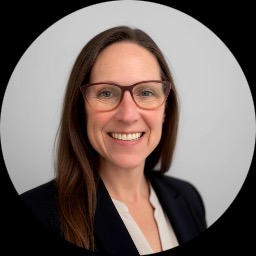
About Sarah
Sarah Freeman is an LPCC - Licensed Professional Clinical Counselor in Kentucky with 19 years of experience. She works with adults who are carrying heavy feelings like guilt and shame, and those dealing with stress, anxiety, addictions, trauma, grief, or big life changes.
Sarah listens for the specific ways those feelings show up in day-to-day life. She helps people talk through communication problems, relationship strain, and family of origin issues. She also supports people facing separation or divorce, struggles with substance use, and the emptiness that can follow loss or change.
Her method is practical and straightforward. Sessions focus on understanding patterns, naming what feels overwhelming, and trying small steps that reduce distress. She uses evidence-based therapeutic techniques to address trauma, addictive behavior, and anxious thinking while helping clients build clearer coping strategies.
Sarah has worked in clinical settings for many years and draws on that breadth of experience when planning treatment. She emphasizes collaborative work - clients and clinician decide on goals and next steps together. Her practice pays attention to how past attachments and family stories shape present feelings, including shame and guilt.
People who come to her can expect direct conversation about what matters to them. She encourages practical tools, clearer communication, and steady problem solving so people can handle daily pressures with more control and purpose.
How evidence-based work and online sessions fit together
Sarah uses evidence-based therapeutic techniques that focus on clear skills and measurable change. Cognitive approaches look at thoughts and behaviors that keep anxiety, guilt, or addictive patterns active and teach manageable ways to shift them. Trauma-informed techniques attend to how painful events affect reactions and relationships, offering paced methods to reduce reactivity and improve daily functioning.Choosing an approach is a collaborative process. The therapist and client discuss symptoms, goals, and preferences and then try methods that match those needs. Adjustments are normal; the plan evolves as progress and challenges become clearer.
Confirm current session options before booking because the original biography does not list formats. Online work can make it easier to fit sessions around work or caregiving, reduce travel time, and allow for shorter check-ins when schedules are tight. If you value a specific format, check the available options during the matching questionnaire so you can pick what fits your life.
Areas of expertise
Additional focus areas
Experience
19+ years
Listed in
Kentucky
Languages
English
Frequently asked questions
What concerns does she focus on?
She works with stress, anxiety, addictions, trauma and abuse, grief, and coping with life changes. Additional focus areas include abandonment, attachment issues, codependency, and family of origin problems.
How does she approach feelings of guilt or shame?
She uses practical, evidence-based methods to identify how guilt and shame affect daily life and relationships. Work typically includes naming patterns and practicing concrete steps to change them.
How much clinical experience does she have?
She has 19 years of professional experience working in clinical settings and with people facing complex emotional challenges.
What credential does she hold and where is she based?
She is an LPCC - Licensed Professional Clinical Counselor, licensed in Kentucky, and practices from that state.
In which language are sessions offered?
Sessions are offered in English.
Can people from other countries work with her?
She does not accept international clients at this time.
How are sessions paid for?
Cost varies by location and sessions use a subscription that can be canceled at any time.
What is the first step to begin?
Select the See online therapy options button, complete a short matching questionnaire, and schedule a first session.
Online talk therapy is not emergency care. If you are in danger or thinking about harming yourself, use the crisis numbers.