- ACT use
- CBT skills
- Mindfulness practice
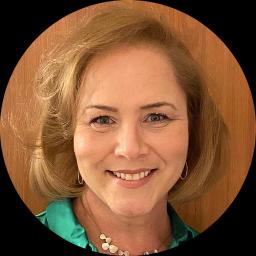
About Roxanne
Roxanne Roybal de Diaz is a Licensed Professional Counselor (LPC) in South Carolina with 13 years of clinical experience. She works with adults on issues such as anxiety, depression, trauma, grief, parenting stresses, relationship and intimacy concerns, and ADHD. Roxanne lists guilt and shame among her focus areas and helps people carry and make sense of those feelings in therapy.
She draws on practical, evidence-informed methods to support clients. Sessions involve talking through what brought someone in, setting clear goals, and using hands-on skills from approaches like cognitive behavioral therapy and mindfulness. The style is direct and collaborative rather than abstract or purely reflective.
Her background includes work in inpatient, community, and educational settings. That range informs how she helps with problems that cross areas of life - for example when stress, family history, and parenting strain overlap. She can talk with clients about attachment patterns, family of origin issues, and challenges that come from caregiving roles.
Roxanne uses several approaches in practice, including Acceptance and Commitment Therapy (ACT), Client-Centered Therapy, Cognitive Behavioral Therapy (CBT), Dialectical Behavior Therapy (DBT), and Mindfulness Therapy. Each method is presented plainly and applied to the concrete problems someone brings, such as managing panic, addressing self-criticism, or coping with grief.
When someone reaches out she and the client develop a plan together. That plan focuses on doable steps, learning new skills, and tracking progress. The practical aim is to reduce the immediate burden of guilt or shame and to build ways of relating to those feelings that interfere less with daily life.
How therapeutic approaches translate to online sessions
Acceptance and Commitment Therapy (ACT) helps people notice difficult thoughts and feelings without getting stuck in them, and to take committed action toward values that matter. It is often useful for longstanding shame or guilt that interferes with meaningful living. Cognitive Behavioral Therapy (CBT) breaks down the link between thoughts, feelings, and behaviors and teaches practical skills for reducing anxiety, low mood, and self-critical thinking. Mindfulness Therapy focuses on present-moment awareness and simple practices to reduce reactivity and increase calm.Finding the best approach is part of therapy. The therapist works together with the client to decide which methods fit their situation, goals, and preferences. That collaborative selection may mix elements from ACT, CBT, and mindfulness so sessions remain focused and practical rather than theoretical.
The therapist's biography does not specify session formats, so confirm current online options before booking. Many people find online sessions easier to fit into busy days, require less travel time, and make it simpler to check in during a break. Other practical benefits include being able to use screen-shared worksheets, practice mindfulness exercises in session, and maintain continuity of care when travel or relocation occurs. Licensed professionals can adapt the work to short skill-focused check-ins or full therapy sessions depending on what the client needs.
Areas of expertise
Primary focus
Also works with
Additional focus areas
Therapeutic approaches
Experience
13+ years
Listed in
South Carolina
Languages
English
Frequently asked questions
What kinds of concerns does she address?
She works with stress, anxiety, trauma and abuse, grief, parenting, depression, relationship and intimacy issues, eating concerns, anger, self-esteem, bipolar symptoms, ADHD, and related problems.
How would she approach feelings of guilt or shame?
She uses methods such as Acceptance and Commitment Therapy and CBT to help people notice and change unhelpful patterns linked to guilt and shame and to develop new ways of responding.
What is her professional background?
Roxanne has 13 years of experience working in inpatient, community, and educational settings with adults and families on a range of concerns.
Is she a licensed clinician and where does she practice?
She is a Licensed Professional Counselor (LPC) in South Carolina.
Which languages are supported for sessions?
Sessions are offered in English and international clients are accepted.
What session formats are available?
The original biography does not list specific session formats; please confirm current session options before booking.
How does pricing work?
Cost varies by location and sessions use a subscription model that can be canceled at any time.
How do I begin a first session?
Select the See online therapy options button, complete a short matching questionnaire, and schedule a first session.
Online talk therapy is not emergency care. If you are in danger or thinking about harming yourself, use the crisis numbers.