- Guilt and shame focused
- ACT and CBT methods
- Attachment-based work
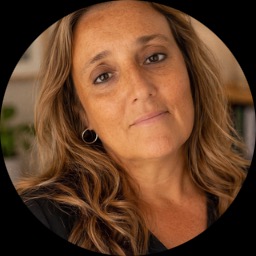
About Robin
Robin Burns is a Licensed Clinical Social Worker (LCSW) in Texas with 10 years of clinical experience. She works with adults facing depression, anxiety, stress, relationship issues, trauma and self-esteem concerns. Robin also focuses on topics such as abandonment, attachment issues, body image, chronic illness, caregiving stress, and communication problems.
She uses straightforward, evidence-based methods to help people understand what keeps them stuck. Sessions often involve learning practical skills, noticing patterns in thoughts and behavior, and practicing new ways of responding to difficult feelings. Robin centers a client's history and values when choosing next steps together.
Her clinical toolbox includes Acceptance and Commitment Therapy, Cognitive Behavioral Therapy, Dialectical Behavior Therapy, Attachment-Based Therapy, and Client-Centered Therapy. Those approaches guide how she supports emotion regulation, relationship repair, and shifts in self-view. She blends skill teaching with attention to relationships and core beliefs.
Robin aims to make sessions collaborative and paced to each person’s needs. She listens for recurring themes such as shame or self-blame and helps people name them and try different responses. The work is practical - small experiments, skill practice, and clearer choices between sessions.
To begin, a person completes a short matching questionnaire and schedules a first session. Costs vary by location and sessions use a subscription that can be canceled at any time.
How evidence-based approaches translate to online sessions
Acceptance and Commitment Therapy (ACT) helps people notice thoughts and feelings without getting ruled by them, and then choose actions that align with personal values. It can be useful for chronic guilt, anxiety, and making changes that matter to the client.Cognitive Behavioral Therapy (CBT) focuses on identifying unhelpful thought patterns and testing them with small behavioral experiments. This method is often used for anxiety, depression, and managing self-critical thinking.
Attachment-Based Therapy pays attention to how early relationships shape current patterns in relationships and self-worth. It can help when shame or abandonment concerns keep showing up in adult connections.
Robin treats finding the right approach as a collaborative process. She will help figure out which method or blend fits best based on the person's goals, history, and how they respond to early sessions. Choices about methods are revisited as work proceeds so the plan can shift when needed.
Session logistics should be confirmed through the initial matching questionnaire and scheduling flow. The profile does not list specific session formats, so ask which formats are offered before booking. Online work can make it easier to fit therapy into a busy week, shorten check-ins when needed, or avoid travel time, which helps people keep consistent practice between sessions.
Areas of expertise
Primary focus
Additional focus areas
Therapeutic approaches
Experience
10+ years
Listed in
Texas
Languages
English
Frequently asked questions
What kinds of guilt and shame does she address?
She works with feelings linked to depression, anxiety, trauma, relationships, and self-esteem. The profile also notes focus areas like abandonment, attachment issues, and body image.
How would she approach shame from childhood?
Her approach draws on attachment-based methods and client-centered work to look at early relationship patterns. Therapy includes naming patterns, skill practice, and changing how past experiences show up now.
What is her therapeutic style like in sessions?
Sessions are collaborative and practical. She uses evidence-based techniques to build insight and teach coping skills over time.
How long has she been practicing and where is she licensed?
She has 10 years of experience and is a Licensed Clinical Social Worker (LCSW) in Texas.
Does she work in languages other than English or with international clients?
Sessions are offered in English. International clients are not currently accepted.
What session formats are offered?
Please confirm current session options before booking, as formats are not specified in the profile. The first step is to use the matching questionnaire to identify possible formats.
How does billing and cost work?
Costs vary with location and sessions operate through a subscription model that can be canceled at any time.
What are the first steps to start therapy?
Select the See online therapy options button, complete a short matching questionnaire, and schedule a first session.
Online talk therapy is not emergency care. If you are in danger or thinking about harming yourself, use the crisis numbers.