- Acceptance and Commitment Therapy
- Cognitive Behavioral Therapy
- Caregiver support focus
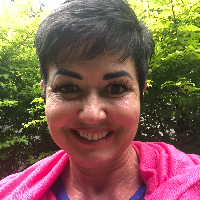
About Rebecca
Rebecca Wedel is a Licensed Clinical Social Worker (LCSW) practicing in Texas with nine years of clinical experience. She focuses on concerns such as anxiety, depression, grief, addictions, relationship and family issues, parenting stress, and guilt and shame. Rebecca works with people facing life transitions, caregiving burdens, and those coping with trauma and loss.
She begins by building a strong working relationship with each person. Once rapport is established, she draws from several methods to match the work to the problem. Rebecca uses Acceptance and Commitment Therapy, Cognitive Behavioral Therapy, Client-Centered Therapy, Dialectical Behavior Therapy, and Mindfulness Therapy among other approaches listed in her practice.
Her background includes individual therapy in medical-surgical settings, inpatient psychiatric care, high-risk pregnancy and miscarriage support, and rehabilitation settings. She also has experience helping caregivers who juggle elderly parents and children while trying to maintain a life of their own. That practical experience informs how she frames options and daily strategies.
Rebecca earned a Master of Social Work and holds the advanced clinical license of LCSW. She also completed a Certified Dementia Specialist credential as part of work with older adults and caregiver support. She speaks English and sees clients in Texas as well as international clients through the matching process.
Outside of work she practices mindfulness and yoga, enjoys gardening, and follows University of Kentucky basketball. She encourages people to ask questions about the process and the approaches she uses before scheduling a first session.
How Rebecca uses ACT, CBT and mindfulness online
Acceptance and Commitment Therapy (ACT) helps people notice painful thoughts and feelings without getting controlled by them. In practice this looks like clarifying personal values and trying small actions that move toward those values even when shame or guilt shows up. Cognitive Behavioral Therapy (CBT) focuses on the links between thoughts, feelings, and behaviors and uses short exercises to test unhelpful beliefs and try different behaviors that change outcomes. Mindfulness Therapy teaches attention and awareness skills that reduce reactivity and help people respond rather than react to old patterns.Finding the right approach is part of the work. Rebecca collaborates with each person to see which methods fit their goals and day-to-day life. She will suggest options, try techniques, and adjust the mix based on what helps the client notice change and cope with difficult feelings.
The practical benefits of online sessions include fitting therapy into a busy schedule and keeping regular appointments during life transitions. The original biography does not specify session formats, so please confirm current session options before booking. Online sessions can make it easier to keep short check-ins around work, avoid travel time, or choose a session style that feels less demanding on technology. Licensed professionals can adapt ACT, CBT, and mindfulness exercises to remote sessions so people can practice skills between meetings and bring real-life situations into the work.
Areas of expertise
Primary focus
Also works with
Additional focus areas
Therapeutic approaches
Experience
9+ years
Listed in
Texas
Languages
English
Frequently asked questions
What kinds of concerns does she address?
She works with anxiety, depression, grief, addictions, relationship and family problems, parenting stress, and issues like guilt and shame among other concerns.
How would she approach shame or guilt in sessions?
She starts by building rapport and then uses approaches such as Acceptance and Commitment Therapy, CBT, DBT, and mindfulness to help people notice thoughts and choose workable actions.
How much clinical experience does she have?
Rebecca has nine years of clinical experience working in settings that include inpatient psychiatry, medical-surgical care, high-risk pregnancy support, and rehab.
What are her professional credentials and location?
She is a Licensed Clinical Social Worker (LCSW) licensed in Texas and holds a Master of Social Work.
Can I work with her if I live outside the United States?
Sessions are offered to international clients through the service's matching process; confirm any cross-border details during intake.
In which language are sessions conducted?
Sessions are offered in English.
How does payment and cost work for sessions?
Cost varies by location and sessions use a subscription that can be canceled at any time; check the pricing details shown during signup.
What do I do to begin working with her?
Select the See online therapy options button, complete a short matching questionnaire, and then schedule a first session.
Online talk therapy is not emergency care. If you are in danger or thinking about harming yourself, use the crisis numbers.