- Guilt and shame
- ACT and CBT
- Parenting stress
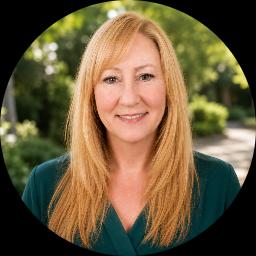
About Michelle
Michelle Newton is a Washington LMHC - Licensed Mental Health Counselor with 18 years of clinical experience. She focuses on stress, anxiety, relationships, trauma and abuse, parenting, and ADHD. Michelle works with adults who are carrying guilt or shame about things they've done, choices they regret, or feelings that come from relationships and family life.
Michelle uses a range of practical approaches in sessions. She draws on cognitive behavioral techniques to notice and change unhelpful thinking. She also uses acceptance and commitment ideas to help people clarify what matters to them and take steps toward those values. Attachment-based and client-centered methods inform how she talks about connection and trust in relationships.
Sessions concentrate on concrete tools and small changes you can try between meetings. Michelle talks through communication patterns, boundary questions, and ways to manage anxiety or overwhelm. She also addresses parenting stress, relationship conflict, and the effects of past trauma in everyday terms.
Her style is direct and conversational. People leave sessions with specific skills to practice and ideas to try in real life. The work looks at how current patterns keep old wounds active, and what practical moves reduce their hold.
Michelle's background includes long experience with ADHD, autism spectrum concerns, chronic health and caregiver stress, codependency, and divorce or separation issues. Her focus includes attachment problems, abandonment, dissociation, and blended family dynamics. She combines several approaches to suit each person's needs.
How her approaches translate to online work
Michelle commonly uses Acceptance and Commitment Therapy (ACT) and Cognitive Behavioral Therapy (CBT) in her work. ACT helps people notice painful thoughts and choose actions that reflect their values rather than react out of old fear. CBT focuses on identifying and changing thinking and behavior patterns that keep shame and anxiety active.She also draws on attachment-based and client-centered ideas to look at how relationships and trust affect current distress. Attachment-based work explores how early connection patterns shape reactions today. Client-centered techniques keep sessions focused on each person's experience and priorities.
Finding the right approach is part of the process. Michelle will talk with each person about what feels useful and try approaches that match the client's goals and preferences. That collaborative process helps decide which combination of methods to use going forward.
The biography does not list specific session formats, so confirm current online options before booking. Online work can make it easier to fit sessions into a busy life, reduce travel time, allow shorter check-ins when needed, and let people choose whether to use video or another available option when confirmed. Licensed professionals can adapt exercises and homework for remote sessions so the work can continue between meetings.
Areas of expertise
Primary focus
Additional focus areas
Therapeutic approaches
Experience
18+ years
Listed in
Washington
Languages
English
Frequently asked questions
What kinds of issues does she address related to guilt and shame?
She works with stress, anxiety, relationship problems, trauma and abuse, parenting challenges, and ADHD, and she also focuses on abandonment, attachment issues, and codependency.
How does she approach feelings of guilt or shame in sessions?
She uses practical methods such as cognitive behavioral techniques and acceptance and commitment ideas to notice unhelpful thoughts and take values-based steps forward.
What experience does she bring to this work?
She has 18 years of clinical experience working with adult concerns including trauma, relationship conflict, parenting stress, ADHD, and neurodiversity.
What credential and location does she hold?
She is a Licensed Mental Health Counselor (LMHC) licensed in Washington.
Can I work with her if I live outside the United States?
Sessions are offered in English and she is not currently accepting international clients.
Which session formats are used for appointments?
Confirm the current session options before booking, as the biography does not list specific formats.
How does payment work for sessions?
Cost varies with location and sessions use a subscription that can be canceled at any time.
What do I do to begin working together?
Select the See online therapy options button, complete a short matching questionnaire, and schedule a first session to get started.
Online talk therapy is not emergency care. If you are in danger or thinking about harming yourself, use the crisis numbers.