- Person centred approach
- ACT DBT CBT elements
- Grief and addictions
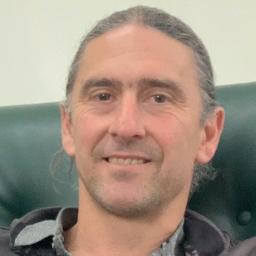
About Jacob
Jacob Mangelsdorf is a PACFA counsellor with 18 years' experience based in Australia. He works with stress, anxiety, addictions, relationship and family concerns, and trauma and abuse. He also focuses on issues such as abandonment, attachment, body image, caregiver stress, and guilt and shame.
Jacob begins by listening to how a person came to be where they are. He uses a person-centred approach that pays close attention to context and life circumstances. Sessions often start by naming what causes stress or distress, then identifying small, practical steps forward.
He draws on elements of Acceptance and Commitment Therapy, Dialectical Behaviour Therapy and Cognitive Behavioural Therapy as needed. He also uses ideas from Gottman couples work and family therapy when a situation calls for it. These are chosen to fit the person, not applied automatically.
Many clients bring family of origin wounds, grief or addiction histories. Jacob has worked with adult survivors of childhood trauma and people coping with loss, including suicide bereavement and intervention. He describes his role as helping clients understand why patterns repeat and how to change them.
Jacob often works with men who want better relationships and more satisfying lives. Outside the room he is a father, husband, runner and musician. He says those roles inform how he supports people and the practical ideas he offers in sessions.
Practical approaches and how online sessions work
Jacob uses a person-centred foundation alongside elements of Acceptance and Commitment Therapy and Cognitive Behavioural Therapy. ACT helps people clarify values and take committed action even when difficult feelings are present. CBT focuses on identifying thoughts and behaviours that keep problems going and trying small practical changes to reduce distress.He adapts techniques from Dialectical Behaviour Therapy for emotion regulation and from Gottman-informed ideas when relationship patterns are part of the issue. These methods are explained in plain language and practised together so the person can decide what feels useful. Jacob sees choosing an approach as collaborative work based on the person's needs, goals and preferences.
Practical benefits of online work include fitting sessions into a busy life and reducing travel time. Online sessions can make shorter check-ins easier and allow someone to meet between other commitments. Confirm the current session formats before booking, as this profile does not list specific options. The therapist will discuss which way of meeting suits the work and everyday routines.
Areas of expertise
Primary focus
Additional focus areas
Experience
18+ years
Listed in
Australia
Languages
English
Frequently asked questions
What kinds of concerns does Jacob work with?
He works with stress, anxiety, addictions, relationship and family concerns, and trauma and abuse. He also focuses on related areas like guilt and shame, attachment and body image.
How would he approach feelings of guilt or shame?
He starts by helping a person understand where those feelings come from and how they affect daily life. Then he uses practical steps and therapeutic tools to reduce unhelpful patterns.
What experience does he have?
Jacob has worked as a counsellor since 2008, giving him 18 years of experience with family wounds, trauma, addictions, grief and stress-related problems.
What are his credentials and location?
He is listed with PACFA and practises in Australia.
Can I see him in a language other than English?
Sessions are offered in English.
Does he work with clients outside Australia?
He does not accept international clients at this time.
How are sessions arranged and what about cost?
Cost varies with location and sessions use a subscription that can be cancelled at any time.
How do I begin working with him?
Select the See online therapy options button, complete a short matching questionnaire, and schedule a first session.
Online talk therapy is not emergency care. If you are in danger or thinking about harming yourself, use the crisis numbers.