- Cognitive Behavioral Therapy
- Multicultural Therapy
- Guilt and shame focus
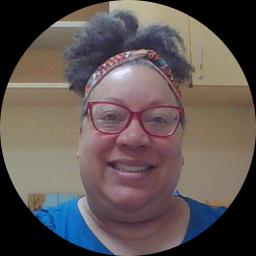
About Erica
Erica Camp is an Ohio LPCC - Licensed Professional Clinical Counselor - with four years of clinical experience. She works with adults carrying stress, anxiety, depression, family concerns, trauma, and parenting struggles. Sessions are conducted in English and she practices from Ohio.
Erica focuses on practical conversation and problem-solving. She uses Cognitive Behavioral Therapy alongside Multicultural Therapy ideas. In sessions she helps people identify unhelpful thoughts, notice patterns in behavior, and try small experiments to test new ways of coping.
She pays attention to background and culture when talking about painful topics. That can matter when guilt or shame are tied to family, faith, or identity. She asks about those contexts and brings them into the work in straightforward ways.
Erica also addresses concerns like attachment difficulties, forgiveness, body image, caregiver stress, chronic illness, and communication problems. She helps people break down a problem into manageable steps and practice skills between meetings.
Her style is described as collaborative. Together with each person she shapes goals and checks progress along the way. To begin she asks about current stresses, what has helped before, and what a reasonable next step could look like.
How her approaches translate to online work
Erica uses Cognitive Behavioral Therapy, which focuses on noticing thoughts and actions that keep problems going and then testing small changes. This approach is useful for anxiety, mood concerns, and guilt-related thinking. She also integrates Multicultural Therapy perspectives, paying attention to cultural, faith, and identity factors that shape how guilt and shame are experienced and discussed.Choosing the right approach is part of the work together. She collaborates with each person to pick techniques that match their goals, daily routines, and what feels doable. That means adapting exercises, homework, and conversational focus as therapy progresses.
Session formats are not listed in the biography, so confirm current session options before booking. In general, online sessions can make it easier to fit counseling into a busy life - for example by avoiding travel time, allowing shorter check-ins when needed, or making it possible to meet between other commitments. Licensed professionals can use these practical benefits to keep momentum while testing what works best for each person.
Areas of expertise
Primary focus
Additional focus areas
Experience
4+ years
Listed in
Ohio
Languages
English
Frequently asked questions
What kinds of concerns does she address?
She works with stress, anxiety, depression, family conflicts, trauma and parenting concerns. Additional focuses include guilt and shame, attachment, forgiveness, and caregiver stress.
How does Erica approach guilt and shame in therapy?
She uses Cognitive Behavioral Therapy to identify unhelpful thoughts and patterns and brings in multicultural perspectives to understand the role of background and identity. Work often includes practical exercises and talking through difficult memories.
What experience does she bring to sessions?
She has four years of professional experience in counseling settings. Much of her background includes work related to family issues, trauma, and adolescent-related concerns.
What are her credentials and location?
Erica holds the LPCC credential and is licensed in Ohio. Sessions are offered from her Ohio practice.
In which languages can someone work with her?
Sessions are offered in English.
Can people outside the U.S. work with her?
International clients are not currently accepted. Sessions are provided to clients in Ohio according to local licensing.
How are session costs handled?
Cost varies with location and sessions use a subscription model that can be canceled at any time. Exact pricing is provided during the sign-up process.
What is the process to get started?
Begin by selecting the See online therapy options button, completing a short matching questionnaire, and scheduling a first session. That will guide the next steps.
Online talk therapy is not emergency care. If you are in danger or thinking about harming yourself, use the crisis numbers.