- Relationship strain
- Trauma and abuse
- Grief and loss
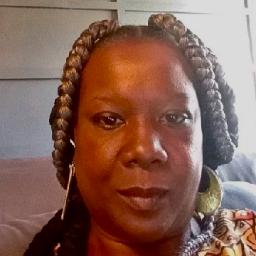
About Diane
Diane Jordan is a Licensed Professional Counselor (LPC) and Licensed Clinical Mental Health Counselor (LCMHC) practicing in South Carolina and North Carolina with 10 years of experience. She works with adults who are dealing with relationship strain, family conflict, trauma and abuse, grief, and depression. Her focus also covers issues such as abandonment, adoption and foster care concerns, attachment struggles, and blended family dynamics.
Diane keeps conversations straightforward and practical. She listens for what matters most and helps people clarify the problem they want to change. Sessions typically involve talking through specific situations, noticing patterns, and deciding on steps to try between meetings. The goal is clearer thinking and more manageable next steps rather than quick fixes.
Her background includes a decade of clinical work in counseling settings across South Carolina and North Carolina. That time has included work with people facing domestic violence, divorce and separation, and family of origin issues. She also has experience supporting those coping with natural or human-caused disasters and complex mood concerns such as depressive symptoms and disruptive mood dysregulation issues.
Diane describes her methods as evidence-based therapeutic techniques and adapts conversation and plans to each person's needs. She pays attention to communication problems, codependency and commitment difficulties, and co-morbid concerns that affect daily functioning. She helps people weigh options and practice new ways of relating.
Sessions are carried out in English. Diane accepts international clients, and fees vary by location with a subscription model that can be canceled at any time. To begin, select the See online therapy options button and complete the short matching questionnaire to schedule a first session.
Evidence-based approaches and online sessions
Diane lists evidence-based therapeutic techniques as her way of working. That typically means methods that focus on identifying unhelpful patterns and practicing alternative responses. For example, a work-focused approach might help someone notice recurring thoughts that feed guilt and then test new ways of thinking and behaving to reduce their impact.Another commonly used approach addresses trauma and its effects on relationships. This kind of work looks at how past harm shapes current reactions and teaches practical strategies for managing strong emotions and improving communication in close relationships.
Choosing the right approach is part of the process. Diane will work collaboratively to figure out what fits a person's needs, goals, and preferences. She adapts conversation and plans as therapy progresses rather than sticking rigidly to one method.
The original biography does not specify which session formats she offers, so confirm available options before booking. Online sessions can make it easier to fit appointments into a busy week, reduce travel time, and allow shorter check-ins when needed. For international clients, confirm scheduling and session format details during the matching step so sessions fit daily life and time zones.
Areas of expertise
Primary focus
Additional focus areas
Experience
10+ years
Listed in
North Carolina, South Carolina
Languages
English
Frequently asked questions
What kinds of problems does she help with?
She works with relationship issues, family conflict, trauma and abuse, grief, and depression, plus related topics like abandonment and attachment concerns.
How would she approach shame or guilt related to relationships?
She uses evidence-based therapeutic techniques to talk through specific events and patterns. The work focuses on clearer thinking, practical steps, and trying different responses between sessions.
How much clinical experience does she have?
Diane has 10 years of professional work experience in counseling settings across South Carolina and North Carolina.
What are her credentials and where is she based?
She holds LPC and LCMHC credentials and practices in South Carolina with licensure in both South Carolina and North Carolina.
Does she work in other languages or with international clients?
Sessions are offered in English. She does accept international clients.
What session formats are available?
The original biography does not list session formats. Please confirm current session options before booking.
How are costs handled?
Fees vary with location and sessions use a subscription that can be canceled at any time.
How do I get started with a first session?
Select the See online therapy options button, complete the short matching questionnaire, and schedule a first session.
Online talk therapy is not emergency care. If you are in danger or thinking about harming yourself, use the crisis numbers.