- CBT techniques
- Trauma-focused work
- Grief and loss
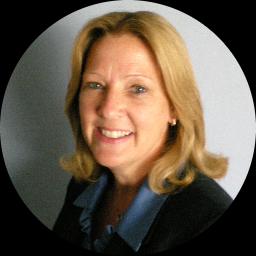
About Debra
Debra Thomas is a Licensed Mental Health Counselor (LMHC) in Florida with 18 years of professional experience. She helps people who are carrying stress, anxiety, relationship pain, trauma or grief. She describes her work as a place to talk through painful thoughts and feelings without judgment.
She begins by listening to what matters most and what feels hard right now. Sessions focus on practical steps and clearer thinking. People often bring issues tied to abandonment, attachment, body image, chronic illness, caregiving strain, or losses related to adoption and bereavement. Debra also addresses concerns linked to cancer, aging, blended families, and control or communication problems.
Debra uses techniques from Cognitive Behavioral Therapy to help people notice unhelpful thinking and try different responses. For work related to traumatic events, she draws on Trauma-Focused Therapy to address how past experiences affect present feelings and reactions. Her approach is straightforward and paced to each person’s comfort.
She frames therapy as a collaborative effort. Sessions include talking, trying new skills, and checking what helps between appointments. People who want to reduce anxiety, manage grief, or repair strained relationships will find concrete methods and steady support in sessions.
All sessions are conducted in English and based in Florida. Those interested in starting are asked to use the online sign-up flow to complete a short matching questionnaire and book a first appointment.
How Debra uses CBT and Trauma-Focused Therapy online
Debra draws on Cognitive Behavioral Therapy to help people identify patterns of thinking that increase guilt, shame, anxiety or low mood. CBT sessions typically include noticing specific thoughts, testing them against reality, and practicing new ways of responding that reduce distress.For problems that stem from traumatic events, she uses Trauma-Focused Therapy to address how those experiences affect emotions, bodily reactions, and relationships now. That work often includes revisiting how the event is remembered, learning strategies for managing strong reactions, and building skills to feel more grounded in daily life.
Finding the right approach is part of the work together. Debra will talk with each person about their needs, goals, and what feels manageable. She helps decide whether CBT, trauma-focused methods, or a mix is the best fit and adjusts the plan as progress is reviewed.
The biography does not list specific session formats, so confirm the available options before booking. Online sessions can make it easier to fit therapy into a busy week, shorten travel time, and allow for different check-in styles such as brief updates or longer sessions. Licensed professionals can tailor pacing and homework to match everyday schedules, helping people practice new skills between appointments.
Areas of expertise
Primary focus
Additional focus areas
Therapeutic approaches
Experience
18+ years
Listed in
Florida
Languages
English
Frequently asked questions
What kinds of concerns does she work with?
She works with stress, anxiety, relationship problems, trauma and abuse, grief, and depression. Additional areas include issues like abandonment, attachment, caregiving stress, chronic illness, and body image.
How does she approach guilt or shame related problems?
She uses practical talk and skill-building to notice unhelpful thoughts and try different responses. Trauma-Focused Therapy is used when past events continue to shape current feelings.
What is her professional background?
She has 18 years of professional work experience helping people with anxiety, trauma, grief, and relationship issues. Her practice emphasizes clear, concrete steps alongside discussion.
What credential does she hold and where is she based?
She is a Licensed Mental Health Counselor (LMHC) licensed in Florida. Her practice is based in Florida.
Does she offer sessions in other languages or to international clients?
Sessions are offered in English. She is not accepting international clients at this time.
What session formats are available?
Please confirm current session options before booking, as the biography does not specify which formats are offered. The sign-up flow can clarify available formats.
How are sessions paid for and what does it cost?
Cost varies with location. Sessions use a subscription model that can be canceled at any time.
How do I get started with her?
Use the See online therapy options button, complete a short matching questionnaire, and schedule a first session through the booking flow.
Online talk therapy is not emergency care. If you are in danger or thinking about harming yourself, use the crisis numbers.