- Addictions
- Trauma
- Guilt and shame
About Mallory
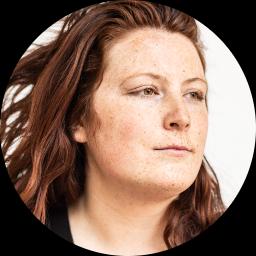
Mallory Dee Armstrong is a Licensed Clinical Social Worker (LCSW) and Clinical Social Worker (CSW) in Colorado with six years of clinical experience. She works with people facing addictions, relationship strain, trauma and abuse, parenting challenges, and struggles with self-esteem. Mallory also lists focus areas including attachment issues, codependency, body image, family problems, and guilt and shame.
She uses trauma-informed methods and a blended approach that draws on evidence-based therapeutic techniques. Sessions typically examine repeating patterns and how those patterns affect day-to-day life. She talks with clients about practical steps to change those cycles and reduce the ways past hurt shows up now.
Mallory highlights work that attends to identity and liberation concerns, particularly for queer and BIPOC people. She addresses the effects of abuse, domestic violence, and dissociation in straightforward language and with attention to safety and pacing. When addiction is present, she combines attention to substance use with relationship and emotional work.
In session she aims to partner with people to identify what keeps problems stuck and what small changes might shift them. Conversations often include looking at attachment patterns, communication habits, and family dynamics. Clients explore forgiveness and the heavy feelings tied to guilt and shame while also planning concrete next steps.
She practices in Colorado and offers sessions in English. To begin, clients complete a short matching questionnaire and schedule an initial appointment through the site's online options.
How evidence-based methods fit with online work
She describes her approach as trauma-informed and blended, using evidence-based therapeutic techniques to address addictions, trauma, relationship problems, and the heavy feelings of guilt and shame. Trauma-informed work focuses on pacing, safety, and recognizing how past events shape current reactions. It helps with dissociation, domestic violence impact, and emotional overwhelm.Another common element is attention to attachment and communication patterns. This type of work looks at how relationships and family dynamics keep cycles repeating and helps people try different interaction habits. When addiction or co-occurring conditions are present, sessions can combine attention to substance use with emotional and relational skills-building.
Finding the right approach is part of the work, and Mallory aims to figure that out together with each client. She will collaborate on goals, test which techniques feel useful, and adjust methods based on what the client needs and prefers.
The biography does not specify session formats, so confirm current options before booking. Online sessions can make it easier to fit therapy into a busy life, reduce travel time, and allow shorter check-ins around work or parenting. Talk with her when you complete the questionnaire about the practical session arrangements that would fit your schedule and daily routine.
Areas of expertise
Primary focus
Additional focus areas
Experience
6+ years
Listed in
Colorado
Languages
English
Frequently asked questions
What concerns does she address related to guilt or shame?
She works with guilt and shame alongside addictions, trauma, relationship issues, parenting stress, and self-esteem struggles.
How does Mallory approach guilt and shame in sessions?
She uses a trauma-informed, blended approach that looks at repeating patterns and practical steps to change them.
What is her clinical experience?
She has six years of clinical experience working in addiction medicine and mental health settings.
What are her credentials and where is she based?
She is an LCSW and CSW licensed in Colorado and practices there.
Which languages are supported for sessions?
Sessions are offered in English.
Can people outside the United States work with her?
International clients are not currently accepted.
What do sessions cost?
Cost varies with location; sessions use a subscription that can be canceled at any time.
How do I get started with her practice?
Select the See online therapy options button, complete a short matching questionnaire, and schedule a first session.
Online talk therapy is not emergency care. If you are in danger or thinking about harming yourself, use the crisis numbers.