- Guilt and shame
- Communication skills
- Attachment concerns
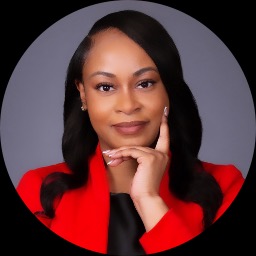
About Latoria
Latoria Murphy is a Licensed Clinical Social Worker (LCSW) in Florida with three years of clinical experience. She works with people facing relationship struggles, family concerns, trauma and abuse, self-esteem issues, and major life changes. Her practice also addresses attachment issues, caregiver stress, communication difficulties, guilt and shame, and related areas that often overlap with relationships and identity.
She uses several practical approaches in sessions, including Acceptance and Commitment Therapy (ACT), Cognitive Behavioral Therapy (CBT), Emotionally-Focused Therapy (EFT), Attachment-Based Therapy, and Client-Centered Therapy. In conversation she helps people notice patterns, name painful feelings like shame or guilt, and try different ways of responding. Sessions emphasize clearer communication and manageable next steps rather than abstract ideas.
Latoria describes her perspective as trauma-informed and culturally responsive. That means she pays attention to how past hurts and cultural background affect current choices and relationships. She offers straightforward tools for managing anxiety, improving self-regard, and navigating divorce or caregiving stress.
People often come when they feel stuck after a breakup, overwhelmed by parenting or caregiving demands, or weighed down by remorse or shame. In sessions she helps them sort what matters most, practice new communication skills, and develop small behavioral experiments to test change.
Her work is aimed at individuals seeking practical support for relational or life-change challenges. Sessions are conducted in English and are based in Florida. If you want to explore whether her style fits, start by reviewing the online therapy options and the short matching questionnaire.
How her approaches translate to online sessions
Acceptance and Commitment Therapy (ACT) focuses on helping people clarify their values and take small actions that match those values, even when difficult emotions like shame are present. This can help with making decisions during life transitions or when guilt is holding someone back. Cognitive Behavioral Therapy (CBT) looks at the links between thoughts, feelings, and actions and offers practical exercises to test and change unhelpful thinking patterns, which is useful for social anxiety and low self-esteem. Emotionally-Focused Therapy (EFT) targets patterns in relationships and helps people identify and express underlying emotions to improve connection and communication.Choosing the right approach is part of the work. The therapist will collaborate with the client to figure out which methods best match their needs, goals, and comfort level. That collaborative process can include trying a few techniques and adjusting what is used as progress and preferences become clearer.
Confirm the current session options before booking, since formats are not listed in the biography. Online work can make it easier to fit sessions around daily life, such as shorter check-ins during a busy day, not needing to travel, or choosing sessions that do not require video when that helps with focus. Licensed professionals can adapt exercises like mindfulness practices, behavioral experiments, and communication role-plays for remote sessions, so the practical tools used in person are often transferable to an online setting.
Areas of expertise
Primary focus
Additional focus areas
Therapeutic approaches
Experience
3+ years
Listed in
Florida
Languages
English
Frequently asked questions
What concerns does she address related to guilt and shame?
She works with people carrying guilt and shame connected to relationships, family events, trauma, and life transitions.
How does she approach feelings of guilt in sessions?
She uses practical methods like ACT and CBT to help name feelings, notice unhelpful thoughts, and try small behavioral experiments.
What is her clinical background and experience?
She is a Licensed Clinical Social Worker (LCSW) with three years of clinical experience working on relationship and life-change concerns.
Where is she licensed to practice?
She holds an LCSW credential in Florida and practices with that licensure in the state.
Can I work with her if I speak another language?
Sessions are offered in English.
Does she take international clients?
She is not currently accepting international clients.
How are sessions scheduled and paid for?
Costs vary with location; sessions use a subscription model that can be canceled at any time.
What steps do I take to begin working together?
Select the See online therapy options button, complete the short matching questionnaire, and schedule a first session.
Online talk therapy is not emergency care. If you are in danger or thinking about harming yourself, use the crisis numbers.