- Cognitive Behavioral Therapy
- Guilt and shame work
- Self-esteem and confidence
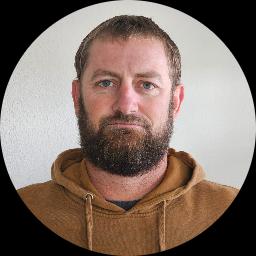
About Jeffrey
Jeffrey Janes is a Licensed Clinical Social Worker (LCSW) with six years as a licensed therapist and a total of nearly 20 years in mental and behavioral health roles. He works with adults on stress, anxiety, family concerns, trauma and abuse, self-esteem, and depression. He also focuses on attachment and abandonment issues, body image, control issues, guilt and shame, men’s concerns, self-love, life purpose, and social anxiety.
He takes a practical approach in sessions. He helps people learn to identify specific problems and to take action on the things they can control. Sessions involve talking through choices, making plans, and building small habits that increase confidence and self-worth. The aim is steady progress rather than quick fixes.
Jeffrey draws on Cognitive Behavioral Therapy methods to link thoughts, feelings, and actions in everyday life. He uses straightforward techniques to challenge unhelpful thinking and to try new ways of responding. Work can include setting concrete goals, practicing new skills, and reviewing what helped or didn’t help between sessions.
He frames change as a series of manageable steps. People who feel stuck by guilt or shame may explore how past experiences shape current choices. The focus is on learning skills to move forward and on building resilience to handle setbacks.
Jeffrey practices in Utah and conducts sessions in English. Before booking, readers should confirm current session options and practical details through the site’s scheduling flow.
How Jeffrey uses CBT online and what to expect
Jeffrey uses Cognitive Behavioral Therapy to link thoughts, feelings, and actions in clear, practical ways. CBT involves noticing automatic thoughts, testing whether they fit the facts, and trying alternative responses. It is often useful for anxiety, low mood, and patterns that keep guilt or shame active.Work online follows the same active style as in-person sessions. The therapist and client decide together which techniques to try and what goals to set. This collaborative approach means adjustments are made based on how the methods are working for the person’s life and schedule.
Session formats are not listed in the biography, so please confirm current online options before booking. Many people find online sessions help fit therapy into busy days because they remove travel time and make it easier to schedule shorter check-ins or regular weekly meetings. Therapists can assign brief exercises between meetings and review progress together, which keeps momentum steady without promising specific results.
Areas of expertise
Primary focus
Additional focus areas
Therapeutic approaches
Experience
6+ years
Listed in
Arizona, Utah
Languages
English
Frequently asked questions
What kinds of concerns does he address?
He works with stress, anxiety, family issues, trauma and abuse, self-esteem, and depression. Additional focuses include guilt and shame, attachment, body image, and men’s concerns.
How does he approach feelings of guilt and shame?
He uses practical steps to identify thoughts and behaviors that keep those feelings active. Work often includes testing new ways of thinking and acting to reduce their hold over daily life.
What is his clinical background?
He has nearly 20 years in mental and behavioral health roles and has been a licensed clinical social worker for six years.
What credentials and location are listed?
He is an LCSW licensed in Arizona and Utah and is based in Utah.
Which languages are supported in sessions?
Sessions are offered in English.
Can I book sessions from outside the United States?
International clients are not currently accepted.
How are fees and payments handled?
Cost varies with location and sessions use a subscription that can be canceled at any time.
What do I need to do to start working with him?
Select the See online therapy options button, complete a short matching questionnaire, and schedule a first session.
Online talk therapy is not emergency care. If you are in danger or thinking about harming yourself, use the crisis numbers.