- CBT techniques
- DBT skills
- Attachment focus
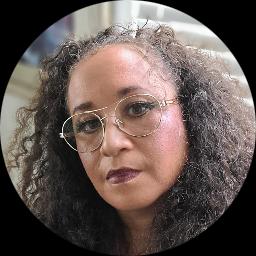
About Jacinta
Jacinta Little is a Florida LMHC (Licensed Mental Health Counselor) with six years of clinical experience. She helps people who are carrying heavy feelings like stress, anxiety, grief, low self-esteem, and depression. Her practice also addresses relationship concerns and longer-term mental health conditions mentioned in her original biography.
Jacinta uses a client-centered stance in sessions. That means conversations focus on what matters most to the person in front of her. She listens for patterns tied to attachment, abandonment, or impulsivity and brings in practical strategies when they fit.
Her toolkit includes cognitive behavioral techniques to notice and change unhelpful thinking, dialectical behavior skills for managing intense emotions, and acceptance and commitment ideas to clarify values and take action. Attachment-based work is used to look at how early relationships affect present-day connection and trust.
In the therapy room she pays attention to communication problems, isolation, obsessive or compulsive patterns, and the particular strains that come with chronic illness or major life change. Clients can expect straightforward conversations about coping skills, behavior changes, and relationship communication.
She practices in Florida and holds the FL LMHC credential. Sessions are conducted in English. To begin, people complete a short matching questionnaire and schedule a first session through the site’s online options.
How her approaches translate to online work
Acceptance and Commitment Therapy (ACT) focuses on helping people notice internal experiences and choose actions that align with their values. It can be useful for persistent guilt or shame that keeps someone from moving forward. Cognitive Behavioral Therapy (CBT) looks at the links between thoughts, feelings, and actions and introduces concrete exercises to test and change unhelpful thinking patterns.The therapist will treat picking an approach as collaborative. Together they will review needs, goals, and preferences and try methods that match the person’s situation. Sessions can adapt over time if something isn’t helping or if priorities shift.
The original biography does not list specific session formats, so confirm available online options before booking. Online work can make it easier to fit therapy into everyday life - for example, shorter check-ins during a lunch break, sessions without a commute, or using phone audio when bandwidth is limited. Licensed professionals can use these practical arrangements to keep continuity with therapy while adjusting to a person’s schedule and energy levels.
Areas of expertise
Primary focus
Additional focus areas
Therapeutic approaches
Experience
6+ years
Listed in
Florida
Languages
English
Frequently asked questions
What concerns does she address?
She works with stress, anxiety, relationship problems, grief, self-esteem issues, and depression, plus areas such as abandonment, attachment issues, and guilt and shame.
What is her therapeutic style?
Her work is client-centered, using practical techniques from CBT, DBT, and ACT alongside attachment-based ideas to shape sessions around a person’s goals.
How much experience does she have?
Jacinta has six years of experience as a licensed mental health professional in Florida.
What credential and location does she hold?
She holds the FL LMHC credential and practices in Florida.
Are sessions offered in other languages or internationally?
Sessions are offered in English. International clients are not currently accepted.
What session formats are available?
Please confirm the current session options before booking; the biography does not specify session formats.
How are sessions priced?
Cost varies with location and sessions use a subscription that can be canceled at any time.
How do I begin working with her?
Start by selecting the See online therapy options button, complete a short matching questionnaire, and schedule a first session.
Online talk therapy is not emergency care. If you are in danger or thinking about harming yourself, use the crisis numbers.